
Short Answer
What It Is
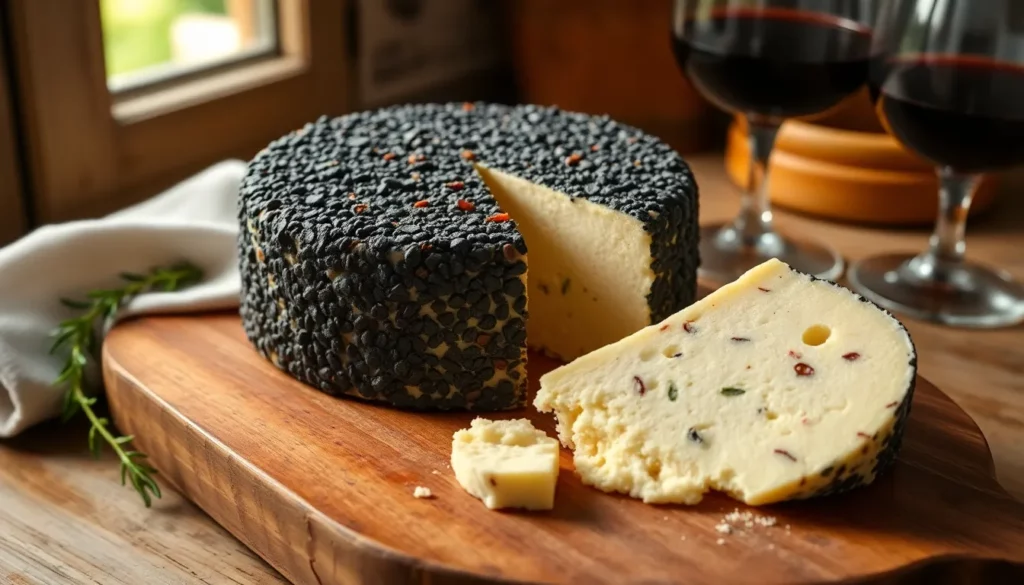
Uccelletto (pronounced oo-chel-LEH-toh) is a small, cylindrical cheese from the Garfagnana region of Tuscany, Italy. Its name translates to “little bird,” a reference to its modest size—typically weighing between 200 and 500 grams—and its shape, which resembles a bird’s egg or a small round loaf. Made exclusively from sheep’s milk, Uccelletto is a traditional formaggio di pecora that has been produced for centuries in the mountainous areas of Lucca and Pistoia.
The cheese is characterized by a firm, crumbly texture and a sharp, slightly spicy flavor derived from the addition of whole black peppercorns or, in some variations, crushed red chili flakes. The milk comes from local sheep breeds such as the Massese and the Garfagnana, which graze on the rich pastures of the Apuan Alps. While Uccelletto does not currently hold a DOP (Denominazione di Origine Protetta) or PGI (Indicazione Geografica Protetta) status, it is recognized as a Prodotto Agroalimentare Tradizionale (PAT) by the Italian Ministry of Agricultural Policies, ensuring its traditional production methods are preserved.
“Uccelletto is a testament to the ingenuity of Tuscan shepherds, who used pepper not only for flavor but also as a natural preservative in the days before refrigeration.” – Dr. Maria Bianchi, Italian Food Historian
The production process begins with raw or pasteurized sheep’s milk, which is curdled using lamb rennet. The curd is cut into small pieces, heated gently, and then placed into molds. After a brief pressing, the cheeses are salted and left to dry. The defining step is the coating: each wheel is rolled in cracked black pepper or chili flakes before being aged for a minimum of 30 days, though longer aging (up to 6 months) yields a harder, more intense cheese.

Types & Grades
Uccelletto is classified primarily by aging time and the type of spice used. The following table outlines the main grades:
| Grade | Aging Period | Texture | Flavor Profile | Common Uses |
|---|---|---|---|---|
| Uccelletto Fresco | 30–60 days | Semi-soft, slightly elastic | Mild, milky with a gentle pepper warmth | Table cheese, sliced for antipasti |
| Uccelletto Stagionato | 3–6 months | Hard, granular, crumbly | Sharp, salty, pronounced pepper or chili heat | Grating over pasta, risotto, or salads |
| Uccelletto al Peperoncino | 2–4 months | Firm, slightly flaky | Spicy, with chili undertones and tangy sheep’s milk | Pairing with honey, grilled vegetables |
Some artisanal producers also offer a version coated in mixed spices (e.g., fennel seeds, rosemary) or aged in olive oil, though these are less traditional. The PAT designation requires that the cheese be made within the provinces of Lucca, Pistoia, or Massa-Carrara, using local sheep’s milk and traditional methods.
How It’s Used in Cooking
Uccelletto’s versatility makes it a favorite in Tuscan kitchens. Its peppery kick adds depth to both simple and elaborate dishes.
Traditional Applications
- Antipasti: Served in thin slices alongside cured meats, olives, and drizzled with local olive oil. The pepper crust provides a textural contrast.
- Pasta: Grated over pici (thick hand-rolled spaghetti) or tortelli stuffed with ricotta and spinach. The cheese melts slightly, creating a creamy, spicy sauce.
- Risotto: Stirred in at the end of cooking for a peppery finish, especially in risotto with porcini mushrooms or radicchio.
- Salads: Shaved over arugula, pear, and walnut salads, where the spice cuts through the sweetness.
- Baked Dishes: Used in frittata or sformato (savory pudding) for a bold flavor.
One signature dish is Uccelletto e Pere – a simple pairing of aged Uccelletto with poached pears and a drizzle of balsamic vinegar from Modena. The cheese’s saltiness and heat balance the fruit’s sweetness.
How to Choose/Identify Authentic Uccelletto
When purchasing Uccelletto, look for these authenticity cues:
- Origin: Check the label for “Prodotto in Garfagnana” or “Toscana.” Authentic Uccelletto is produced only in the specified Tuscan provinces.
- Milk: Must be 100% sheep’s milk. Avoid blends with cow’s milk, which are common in mass-produced imitations.
- Spice Coating: The pepper or chili should be visible and evenly distributed. The cheese should have a distinct aroma of spice, not just milk.
- Texture: Fresco versions should be slightly springy; stagionato should be hard and crumbly. If it feels rubbery or overly soft, it may be under-aged or made with additives.
- PAT Seal: Look for the “PAT” logo or wording on the packaging. While not mandatory, it indicates adherence to traditional methods.
- Price: Genuine artisanal Uccelletto typically costs €20–€35 per kg. Extremely cheap versions are likely industrial.
For commercial buyers, sourcing directly from Tuscan dairies or reputable Italian cheese importers ensures authenticity. The Consorzio di Tutela del Pecorino Toscano DOP sometimes includes Uccelletto under its umbrella, though it is not a DOP product itself.
Substitutes
If Uccelletto is unavailable, these Italian cheeses offer similar characteristics:
- Pecorino Toscano DOP (stagionato): A sheep’s milk cheese from the same region, aged 4–6 months. It lacks the pepper coating but has a comparable sharpness. Add freshly cracked black pepper to mimic the flavor.
- Pecorino Romano DOP: Saltier and more granular, but works well for grating. Use sparingly and add black pepper.
- Canestrato di Moliterno IGP: A sheep’s milk cheese from Basilicata, often aged with black pepper or chili. Its texture and spice profile are very close to Uccelletto stagionato.
- Formaggio di Fossa DOP: A sheep’s milk cheese aged in caves, with a pungent, earthy flavor. While not spicy, it provides a similar intensity for cooking.
For a non-dairy alternative, consider a vegan cheese made from cashews and black pepper, though it will lack the authentic sheep’s milk tang.
Conclusion
Uccelletto is a distinctive Tuscan cheese that embodies the region’s pastoral traditions and love for bold flavors. Its peppery crust, sheep’s milk richness, and versatility in the kitchen make it a valuable ingredient for both traditional and modern Italian cuisine. Whether enjoyed fresh on a cheese board or aged and grated over pasta, Uccelletto offers a unique taste of Tuscany. When selecting, prioritize authenticity markers such as origin, milk type, and PAT recognition to ensure you are experiencing the true product.
FAQ
Is Uccelletto a DOP cheese?
No, Uccelletto does not have DOP or PGI status. It is recognized as a PAT (Prodotto Agroalimentare Tradizionale) by the Italian government, which protects its traditional production methods but does not require strict geographical boundaries.
What does Uccelletto taste like?
Uccelletto has a sharp, salty sheep’s milk flavor with a distinct spicy kick from the black pepper or chili coating. The aged version is more intense and crumbly, while the fresh version is milder and creamier.
Can I eat the pepper crust on Uccelletto?
Yes, the pepper or chili crust is edible and integral to the cheese’s flavor. It adds texture and heat. Some people prefer to scrape it off if they want a milder taste, but traditionally it is consumed.


Leave a Reply