
Short Answer
What It Is
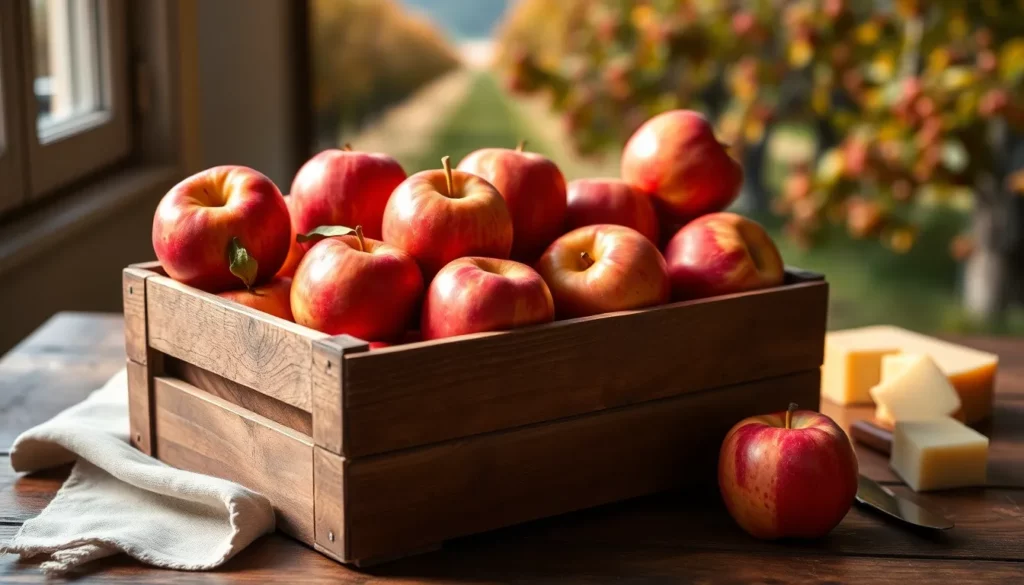
The Mela Annurca (often referred to simply as Mela Apple in English contexts) is a historic apple variety native to the Campania region of southern Italy. It has been cultivated for centuries, with records dating back to Roman times. The apple is protected under the Indicazione Geografica Protetta (IGP) status, officially recognized by the European Union as Mela Annurca Campana IGP. This designation ensures that the apples are grown, harvested, and processed within a defined geographical area—primarily the provinces of Caserta, Naples, Benevento, and Avellino—following strict traditional methods.
The production method is distinctive: after harvesting in late September to October, the apples undergo a natural “maturation” process called “arrossamento” (reddening). They are spread on the ground in well-ventilated fields or special rooms, often covered with straw or nets, and exposed to sunlight and cool night air. This process, lasting 10–15 days, triggers the development of a deep red blush and enhances the apple’s sweetness, aroma, and firmness. The result is a crisp, aromatic fruit with a balanced sweet-tart flavor.
Types & Grades
Mela Annurca is primarily classified by its color and size, which reflect the stage of ripening and the specific sub-varieties. The IGP regulation recognizes two main types:

| Type | Characteristics | Typical Use |
|---|---|---|
| Annurca Rossa (Red Annurca) | Deep red to crimson skin, often with slight striping; medium to large size; very sweet and aromatic; firm flesh. | Fresh eating, salads, desserts, and as a table apple. |
| Annurca Gialla (Yellow Annurca) | Pale yellow to golden skin with occasional pink blush; smaller size; slightly more acidic, with a delicate floral aroma. | Baking, cooking, and making preserves or cider. |
Grades are based on size (caliber) and visual perfection. The IGP categories include:
- Extra Fancy: Largest size (≥70 mm diameter), flawless skin, intense color.
- Fancy: 65–70 mm, minor blemishes allowed.
- Standard: 60–65 mm, slight defects permitted, often used for processing.
Additionally, there is a “Prima” grade for apples that have undergone the full reddening process, and “Seconda” for those with less intense coloration.
How It’s Used in Cooking
Mela Annurca is a versatile ingredient in Italian cuisine, prized for its ability to hold shape during cooking and its complex flavor profile. Traditional applications include:
- Fresh consumption: Sliced and served with aged cheeses like Parmigiano-Reggiano or Gorgonzola, or as part of a macedonia (fruit salad).
- Baked desserts: The classic torta di mele (apple cake) often uses Annurca for its moist crumb and natural sweetness. It is also used in strudel and crostata.
- Savory dishes: Sautéed with onions and pancetta as a side for roasted pork or game; or thinly sliced in salads with walnuts, radicchio, and balsamic vinegar.
- Preserves and cider: The yellow variety is preferred for making marmellata di mele (apple jam) and traditional sidro (hard cider) in Campania.
“The Annurca apple is the soul of the Campanian autumn—its fragrance and crunch embody the sun and soil of our land.” — Traditional saying from the Caserta countryside.
How to Choose/Identify Authentic MELA Apple
To ensure you are purchasing genuine Mela Annurca IGP, look for the following cues:
- Labeling: Authentic apples will bear the official IGP logo (a blue and yellow EU seal) and the words “Mela Annurca Campana IGP”. The producer’s name and lot number should be visible.
- Appearance: The skin should have a distinctive red blush (for Rossa) or golden hue (for Gialla) with a matte finish—not waxy. The shape is slightly flattened, with a broad base and a small crown at the stem end.
- Texture and aroma: The flesh is crisp and juicy, with a fragrant, floral scent. When cut, it resists browning longer than many other apple varieties.
- Seasonality: Fresh Annurca is available from October to April. Out of season, apples labeled as Annurca may be stored or imported; check the origin.
- Price: Due to the labor-intensive reddening process, authentic IGP Annurca is typically more expensive than standard apples. Avoid very cheap options.
For commercial buyers, request a certificate of authenticity from the Consorzio di Tutela della Mela Annurca Campana IGP.
Substitutes
If Mela Annurca is unavailable, consider these Italian alternatives that share similar characteristics:
- Mela Rosa dei Monti Sibillini (PDO): A pink-skinned apple from the Marche region with a sweet, aromatic flavor. Excellent for fresh eating and baking.
- Mela di Valtellina (PGI): Grown in Lombardy, this apple has a crisp texture and balanced acidity, suitable for both raw and cooked dishes.
- Mela Alto Adige (PGI): From South Tyrol, these apples (including Golden Delicious, Gala, and Red Delicious) are widely available and can substitute in recipes where a firm, sweet apple is needed.
- Mela Rossa Cuneo (IGP): A red apple from Piedmont with a slightly tart edge, good for pies and sauces.
When substituting, note that Annurca’s unique floral aroma and resistance to browning are hard to replicate; for cooked dishes, any firm, sweet-tart apple will work, but for raw presentations, seek out aromatic varieties.
Conclusion
The Mela Annurca is more than just an apple—it is a symbol of Campanian agricultural heritage, protected by IGP status and cherished for its distinctive production method and flavor. Whether enjoyed fresh, baked, or preserved, this apple offers a taste of Italian tradition. By understanding its types, grades, and authenticity markers, you can select the finest specimens and appreciate the craftsmanship behind every bite.
FAQ
What is the difference between Mela Annurca and other apples?
Mela Annurca is unique for its traditional reddening process (arrossamento) that enhances its sweetness and aroma. It has a distinctive flattened shape, crisp texture, and floral fragrance. It is protected by IGP status, meaning only apples from the Campania region following specific methods can bear the name.
Can I use Mela Annurca for baking?
Yes, Mela Annurca is excellent for baking. Its firm flesh holds shape well, and its natural sweetness reduces the need for added sugar. It is commonly used in Italian apple cakes, strudels, and tarts. The yellow variety (Gialla) is particularly favored for cooking due to its slightly higher acidity.
How should I store Mela Annurca to maintain freshness?
Store Mela Annurca in a cool, dark place with good ventilation, ideally at 2–4°C (35–39°F) and high humidity. They can be kept in a refrigerator crisper drawer for up to 2–3 months. Avoid plastic bags; use perforated paper or a mesh bag to allow air circulation. The apples continue to develop flavor during storage.
Leave a Reply