
Short Answer
What It Is
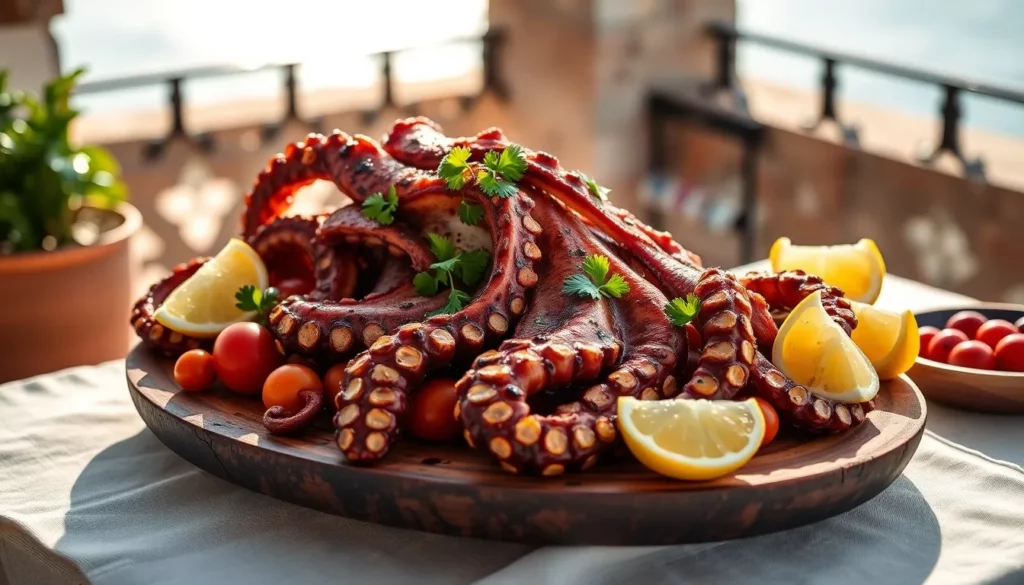
Octopus, known in Italian as polpo, is a cephalopod mollusk that has been a cornerstone of Mediterranean cuisine since antiquity. The most commonly consumed species in Italian cooking is the common octopus (Octopus vulgaris), prized for its tender flesh and delicate, briny flavor. Octopus is not a single DOP or PGI product, but several regional Italian varieties have received protected status due to their unique characteristics and traditional harvesting methods.
The Polpo di San Pietro IGP (Indicazione Geografica Protetta) comes from the Gulf of San Pietro in southwestern Sardinia. This octopus is distinguished by its small size (typically 500–800 grams), thin skin, and exceptionally tender texture, attributed to the sandy seabed and clean, nutrient-rich waters. The Polpo di Alghero DOP (Denominazione di Origine Protetta) is harvested off the coast of Alghero in northwestern Sardinia, where the rocky seabed and strong currents produce a firmer, more muscular octopus with a pronounced sea flavor. Both are protected under European Union quality schemes, ensuring traditional fishing methods (using traps or hand lines, never trawling) and strict traceability.
Historically, octopus was a food of the poor in coastal villages, but it has risen to gourmet status in modern Italian cuisine. Ancient Romans prized octopus, as evidenced by murals in Pompeii and recipes in Apicius’ De Re Coquinaria. Today, it is celebrated in dishes from Liguria to Sicily, often simply grilled or simmered in tomato sauce.

Types & Grades
Octopus is categorized by species, size, and processing method. The table below outlines the primary types used in Italian kitchens.
| Type | Species | Size Range | Texture & Flavor | Best Use |
|---|---|---|---|---|
| Common Octopus | Octopus vulgaris | 500 g – 3 kg | Tender when properly cooked; sweet, briny | Grilled, stewed, raw (carpaccio) |
| Polpo di San Pietro IGP | Octopus vulgaris (local ecotype) | 500–800 g | Exceptionally tender, thin skin, delicate flavor | Boiled with herbs, cold salads, light grilling |
| Polpo di Alghero DOP | Octopus vulgaris (local ecotype) | 1–2 kg | Firm, muscular, intense sea taste | Grilled, braised, in polpo alla luciana |
| Moscardino (Baby Octopus) | Eledone cirrhosa or Eledone moschata | 100–300 g | Very tender, mild, slightly sweet | Fried, in insalata di polpo, stews |
| Giant Pacific Octopus | Enteroctopus dofleini | 10–50 kg | Firm, less sweet, can be tough | Not traditional in Italy; used in Asian cuisine |
Grades are also determined by processing: fresh (never frozen, best for delicate preparations), frozen (often frozen at sea to preserve texture; freezing also tenderizes), and pre-cooked (vacuum-packed, convenient but less flavorful).
How It’s Used in Cooking
Octopus is a versatile ingredient in Italian cuisine, appearing in antipasti, primi, and secondi. The key to successful octopus cookery is tenderizing—either through mechanical means (beating), enzymatic action (marinating in kiwi or papaya), or slow cooking. Traditional Italian methods rely on gentle simmering with a cork (the cork is said to help tenderize, though scientifically it may be a myth) or freezing.
Classic Preparations
- Polpo alla Luciana (from the Campania region): Octopus simmered in tomato sauce with garlic, capers, olives, and chili, then served with crusty bread.
- Insalata di Polpo: Boiled octopus sliced and tossed with lemon, olive oil, parsley, and sometimes celery or potatoes—a staple of Italian seaside restaurants.
- Polpo Grigliato: Grilled octopus, often marinated in olive oil and herbs, served with a squeeze of lemon. The char adds smoky depth.
- Polpo in Umido: Braised octopus with white wine, tomatoes, and aromatics, typical of Liguria and Tuscany.
- Polpo Crudo: Thinly sliced raw octopus, marinated in citrus and olive oil, a modern take from coastal fine dining.
“Il polpo è un animale nobile: va rispettato e cotto con pazienza.” – Traditional Italian fisherman’s saying (The octopus is a noble animal: it must be respected and cooked with patience.)
In professional kitchens, octopus is often cooked sous vide at 80°C for 4–6 hours to achieve perfect tenderness while retaining moisture. It is then finished on a hot grill or in a pan for color.
How to Choose/Identify Authentic OCTOPUS
When selecting octopus, especially for authentic Italian recipes, look for these quality indicators:
- Appearance: Fresh octopus should have firm, moist skin with a purplish-brown hue. The eyes should be clear and bright, not cloudy. The tentacles should spring back when pressed.
- Smell: A clean, briny scent of the sea—never fishy or ammonia-like.
- Origin: For DOP/PGI varieties, check for official labels. Polpo di San Pietro IGP will have a numbered tag and the EU PGI logo. Polpo di Alghero DOP carries a DOP seal.
- Size: Smaller octopus (under 1 kg) are generally more tender. Larger ones require longer cooking or mechanical tenderization.
- Processing: If buying frozen, choose octopus frozen at sea (often labeled “Frozen at sea” or “FAS”). Avoid pre-cooked octopus if you want full control over texture and flavor.
- Sustainability: Look for octopus caught by trap or hand line, not trawling. The Marine Stewardship Council (MSC) certifies some sustainable fisheries.
For commercial buyers, building a direct relationship with Italian suppliers who adhere to DOP/PGI standards ensures authenticity and traceability.
Substitutes
While no substitute perfectly replicates octopus, Italian cuisine offers several alternatives depending on the dish:
- Squid (Calamaro): The closest substitute. Squid is more delicate and cooks faster. Use in insalata di mare or fried dishes. For grilled preparations, choose larger squid (like totano) for a meatier texture.
- Cuttlefish (Seppia): Richer, slightly sweeter, and firmer than octopus. Excellent in stews and pasta sauces, especially with its ink. Cuttlefish ink is also used to color and flavor risotto and pasta.
- Moscardino (Baby Octopus): If the recipe calls for small octopus, moscardino is a perfect substitute. It is even more tender and requires less cooking time.
- Polpo di San Pietro IGP (if unavailable): For dishes requiring the delicate texture of this protected variety, choose the smallest common octopus you can find (under 800 g) and cook it gently.
In a pinch, frozen octopus can be used, but it will lack the subtle flavor of fresh. Never substitute with imitation seafood products.
Conclusion
Octopus is a treasure of the Mediterranean, embodying centuries of culinary tradition and regional identity. Whether you choose a DOP-protected variety from Sardinia or a fresh common octopus, understanding its origins, grades, and cooking methods is essential for achieving the perfect dish. By selecting authentic, sustainably caught octopus and applying time-honored techniques, you can bring the taste of the Italian coast to your table.
FAQ
How do I tenderize octopus before cooking?
Traditional Italian methods include freezing the octopus for 24–48 hours (ice crystals break down muscle fibers), beating it with a rolling pin, or simmering it with a cork (a folk method). Modern chefs often use sous vide cooking at 80°C for 4–6 hours or marinate in kiwi or papaya enzymes. The most reliable method is slow, gentle simmering in water or wine for 45–90 minutes depending on size.
What is the best way to cook octopus for a tender result?
For home cooks, the foolproof method is to boil the octopus in salted water with a bay leaf and a few peppercorns for about 45 minutes per kilogram, then let it cool in the cooking liquid. For grilling, boil first, then grill briefly to char. For a restaurant-quality texture, sous vide at 80°C for 4 hours yields consistently tender results.
Is octopus sustainable?
Sustainability depends on the fishing method. Octopus caught by traps or hand lines has low bycatch and minimal habitat impact. Trawling is destructive and should be avoided. Look for certifications like MSC or choose DOP/PGI varieties that mandate traditional, low-impact fishing. Some species are overfished, so always check the source.


Leave a Reply