
Short Answer
What It Is
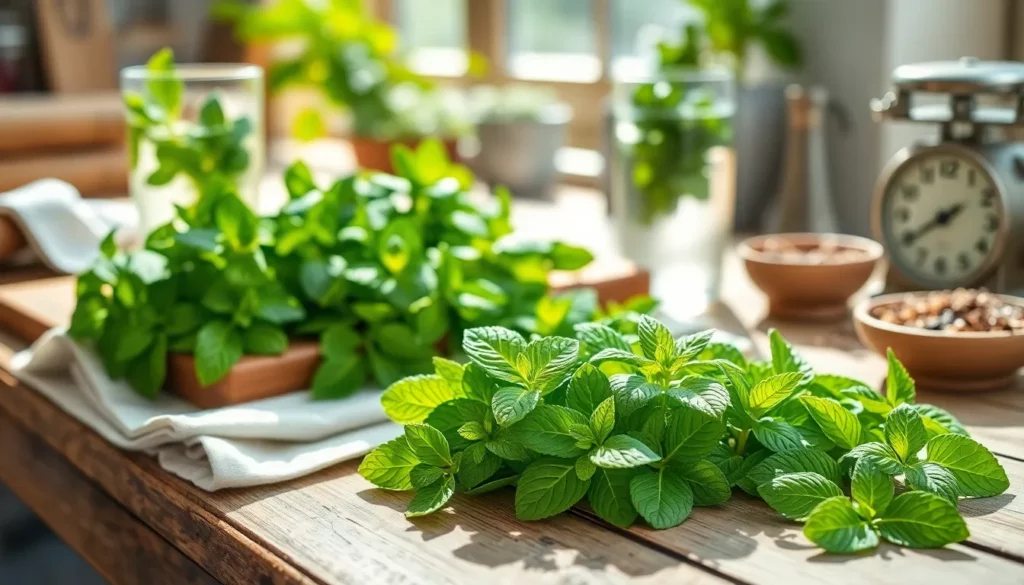
Menta is the Italian term for mint, a perennial herb belonging to the genus Mentha (family Lamiaceae). In Italy, mint has been cultivated for centuries, with the most prestigious designation being Menta di Pancalieri PGI (Protected Geographical Indication). This certification, granted by the European Union in 2015, recognizes the unique qualities of mint grown in the Pancalieri area of Piedmont, where the microclimate and sandy soils produce leaves with an exceptionally high essential oil content (up to 3.5%) and a balanced, intense aroma. The production method involves traditional hand-harvesting during the flowering period (June–September), followed by gentle drying in shaded, ventilated rooms to preserve volatile compounds. While Menta di Pancalieri is the only PGI mint in Italy, other regional varieties such as Menta romana (Roman mint) and Menta piperita (peppermint) are also widely used.
Types & Grades
Italian mint is classified primarily by species and intended use. The table below outlines the main types and their characteristics:
| Type | Scientific Name | Flavor Profile | Common Use |
|---|---|---|---|
| Menta piperita (Peppermint) | Mentha × piperita | Strong, cool, high menthol | Teas, liqueurs, desserts |
| Menta romana (Spearmint) | Mentha spicata | Milder, sweet, less menthol | Savory dishes, salads, sauces |
| Menta di Pancalieri PGI | Mentha × piperita (local ecotype) | Balanced, aromatic, slightly spicy | Premium culinary use, infusions |
| Menta selvatica (Wild mint) | Mentha arvensis | Earthy, pungent | Traditional rustic recipes |
Grades are based on leaf size, color, and essential oil content. For PGI Menta di Pancalieri, the highest grade (Extra) consists of whole, unblemished leaves with a minimum oil content of 2.5%. Second-grade (Selezionata) may include smaller leaves or slight imperfections, while industrial grade is used for extracts and infusions.
How It’s Used in Cooking
Menta is a versatile herb in Italian cuisine, bridging sweet and savory applications. In the north, it is a key ingredient in pesto alla genovese (though basil dominates, mint is sometimes added for freshness). In Roman cuisine, menta romana is essential for carciofi alla romana (stuffed artichokes) and agnello alla menta (lamb with mint). In Sardinia, mint flavors pane carasau and local cheeses. Signature dishes include:
- Insalata di menta e limone – a refreshing salad of mint leaves, lemon juice, and olive oil.
- Risotto alla menta – creamy risotto infused with fresh mint and finished with Parmigiano-Reggiano.
- Liquore alla menta – a homemade mint liqueur, popular in Piedmont.
- Gelato alla menta – Italian mint ice cream, often made with fresh leaves rather than artificial flavoring.
“La menta è l’anima della cucina estiva: fresca, profumata, capace di trasformare un piatto semplice in un’esperienza.” – Traditional Italian saying
Mint is also used in tè alla menta (mint tea) and as a garnish for desserts like panna cotta and cannoli.
How to Choose/Identify Authentic Menta
When purchasing Menta, especially the PGI variety, look for these authenticity cues:
- Labeling: Authentic Menta di Pancalieri PGI will bear the EU PGI logo and the consortium’s seal. Check for the producer’s name and lot number.
- Appearance: Fresh leaves should be vibrant green, with no yellowing or wilting. Dried leaves should be whole, not crushed, and retain a strong aroma.
- Aroma: Authentic Italian mint has a clean, penetrating scent of menthol with subtle herbal notes. Avoid any musty or chemical smells.
- Origin: For PGI, the packaging must state “Prodotto in Italia” and specifically “Pancalieri (TO)”.
- Price: Premium PGI mint is more expensive than generic mint; if the price is too low, it may be a blend or inferior quality.
For commercial buyers, request a certificate of analysis showing essential oil content and purity. Reputable suppliers include the Consorzio di Tutela della Menta di Pancalieri.
Substitutes
If authentic Italian Menta is unavailable, these Italian substitutes can be used, though each alters the dish’s character:
- Basilico Genovese DOP – Best for savory dishes like pesto or salads; offers a sweet, peppery note instead of mint’s coolness.
- Melissa (Lemon balm) – A member of the mint family with a lemony flavor; suitable for teas, desserts, and fish dishes.
- Nepitella (Lesser calamint) – A wild herb used in Tuscan cuisine, especially with mushrooms and artichokes; has a minty-oregano profile.
- Erba Luigia (Lemon verbena) – For infusions and desserts; provides a citrusy freshness.
When substituting, adjust quantities: mint’s intensity is strong, so start with half the amount and taste.
Conclusion
Menta is far more than a simple garnish; it is a cornerstone of Italian culinary heritage, with the PGI Menta di Pancalieri representing the pinnacle of quality. From its protected production in Piedmont to its diverse uses in regional dishes, this herb offers a unique combination of freshness, aroma, and versatility. Whether you are a professional chef or a home cook, choosing authentic Italian mint elevates your cooking and connects you to centuries of tradition. Remember to look for the PGI label, store leaves properly (wrapped in damp paper in the fridge), and experiment with both sweet and savory recipes to fully appreciate Menta’s potential.
FAQ
What is Menta di Pancalieri PGI?
Menta di Pancalieri PGI is a protected geographical indication for mint grown in the Pancalieri area of Piedmont, Italy. It is recognized for its high essential oil content and balanced aroma, and must be produced according to strict traditional methods.
How is Menta used in Italian cooking?
Menta is used in both sweet and savory dishes. In savory cooking, it appears in lamb dishes, artichokes, salads, and pesto. In desserts, it flavors ice cream, panna cotta, and liqueurs. It is also brewed as a tea.
What is the difference between Menta piperita and Menta romana?
Menta piperita (peppermint) has a strong, high-menthol flavor, ideal for teas and desserts. Menta romana (spearmint) is milder and sweeter, better suited for savory recipes and salads.
Can I substitute regular mint for Menta di Pancalieri?
Yes, but the flavor will differ. For the closest match, use high-quality peppermint. For savory dishes, spearmint is a better substitute. Adjust quantities as PGI mint is more intense.

Leave a Reply