
Short Answer
What It Is
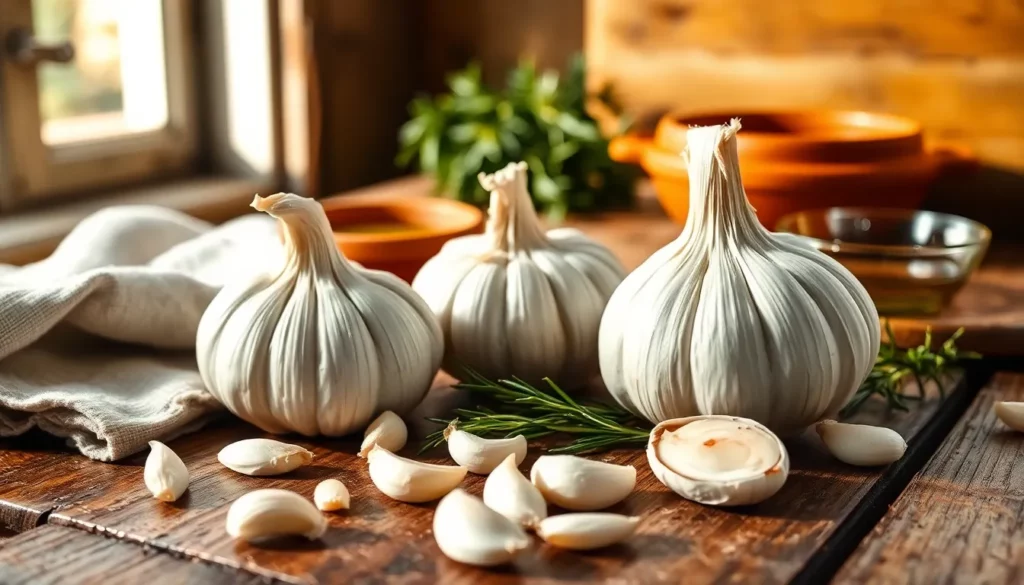
Aglio (garlic) is a cornerstone of Italian gastronomy, with a history that stretches back to ancient Roman times. Italy cultivates several distinct varieties, some of which have earned the prestigious Protected Designation of Origin (DOP) or Protected Geographical Indication (PGI) status from the European Union. The most celebrated is Aglio di Voghiera DOP, grown in the province of Ferrara, Emilia-Romagna. This garlic is prized for its mild, sweet flavor and large, easy-to-peel cloves. Other notable DOP varieties include Aglio Bianco Polesano DOP from the Polesine area and Aglio Rosso di Sulmona (PGI) from Abruzzo. The production method involves careful soil preparation, planting in autumn, hand-harvesting in late spring or early summer, and a curing process that can last several weeks. DOP certification guarantees that every step—from cultivation to packaging—occurs within the designated region, following traditional techniques that have been passed down for generations.
Types & Grades
Italian garlic is classified by color (white, red, pink) and by the degree of curing. The main grades are:
- Aglio Fresco (Fresh Garlic) – Harvested in spring, with a high moisture content, mild flavor, and juicy texture. Best used raw or lightly cooked.
- Aglio Semisecco (Semi-Dried Garlic) – Partially cured for a few weeks, offering a balance between fresh and dried. It has a more concentrated flavor and longer shelf life.
- Aglio Secco (Dried Garlic) – Fully cured for several months, with a papery skin and intense, pungent aroma. Ideal for long storage and slow cooking.
Specialty grades include trecce (braided garlic) and mostrato (garlic with a short stem, often used for decoration). The table below summarizes the most common DOP/PGI varieties:
| Variety | Color | Flavor Profile | Best Culinary Use |
|---|---|---|---|
| Aglio di Voghiera DOP | White | Mild, sweet, delicate | Raw in salads, bruschetta, light sauces |
| Aglio Bianco Polesano DOP | White | Mild, slightly sweet | Raw, pesto, marinades |
| Aglio Rosso di Sulmona PGI | Red | Pungent, robust, spicy | Roasting, long-cooked meat dishes, stews |
| Aglio di Caraglio | White | Strong, spicy, persistent | Heavy meat dishes, sauces, pickling |
How It’s Used in Cooking
Italian chefs treat aglio with respect, using it in ways that highlight its versatility. The classic spaghetti aglio e olio (garlic and oil) is a testament to simplicity: thinly sliced garlic gently sizzled in extra-virgin olive oil, tossed with pasta, and finished with chili flakes and parsley. In bagna cauda, a Piedmontese dip, garlic is slowly cooked in olive oil and butter with anchovies, creating a warm, pungent sauce for vegetables. Aglione della Valdichiana, a milder relative, is used in the famous pici cacio e pepe con aglione of Tuscany. Garlic is also fundamental in soffritto (the aromatic base of many Italian soups and sauces), where it is finely chopped and sautéed with onion and celery. The method of preparation dramatically alters the flavor: crushed garlic releases more allicin, yielding a sharper taste; sliced garlic offers a milder, more even infusion; whole cloves, when roasted, become sweet and buttery. Traditional Italian wisdom holds that garlic should never be burned, as it turns bitter—hence the gentle cooking in olive oil.
“L’aglio è il profumo della cucina italiana.” — Traditional Italian saying
How to Choose/Identify Authentic AGLIO
When shopping for authentic Italian aglio, look for the official DOP or PGI logos on the packaging. These certifications are your guarantee of origin and quality. For loose bulbs, examine the following cues:
- Firmness: The bulb should be hard and dense, with no soft spots.
- Skin: The papery outer skin should be intact, dry, and free from mold or dark spots.
- Cloves: Plump, uniform cloves that are tightly packed. Avoid bulbs with many small or shriveled cloves.
- Smell: A fresh, pungent aroma—not sour or ammonia-like.
- Sprouting: Green sprouts indicate age and a bitter flavor; choose bulbs without any green shoots.
For specific varieties, check the label for the exact region: Aglio di Voghiera DOP must come from the province of Ferrara; Aglio Bianco Polesano DOP from the Polesine area; Aglio Rosso di Sulmona PGI from the Sulmona valley in Abruzzo. Reputable Italian producers often include the harvest year and the name of the grower. When buying online, choose specialty Italian food retailers that provide traceability information.
Substitutes
If authentic Italian aglio is not available, several Italian alternatives can fill the gap:
- Aglione della Valdichiana – A large, mild garlic variety from Tuscany, with a single clove per bulb. It is sweeter and less pungent, perfect for raw preparations or gentle cooking.
- Ramsons (Aglio Orsino) – Wild garlic foraged in spring, with tender leaves and a delicate garlic flavor. Used in pesto, salads, and soups.
- Scalogno (Shallot) – For a milder, sweeter alternative in raw dressings or light sauces, shallots provide a subtle allium note without overpowering.
- Scapi d’aglio (Garlic Scapes) – The green shoots of garlic, harvested in late spring. They have a fresh, grassy garlic flavor and are excellent in stir-fries, pesto, or grilled as a side dish.
Each substitute brings its own character, but none fully replicates the complexity of a DOP Italian aglio. For dishes where garlic is the star, sourcing the real thing is always recommended.
Conclusion
Italian aglio is far more than a mere seasoning; it is a cultural emblem that embodies the terroir and traditions of its regions. By understanding its varieties, grades, and authenticity markers, you can elevate your cooking with the true essence of Italian flavor. Whether you choose a sweet Aglio di Voghiera for a delicate bruschetta or a robust Aglio Rosso di Sulmona for a hearty ragù, the key is to respect the ingredient and let its character shine.
FAQ
What is the difference between DOP and PGI garlic?
DOP (Protected Designation of Origin) requires that all stages of production, processing, and packaging occur in a specific region using traditional methods. PGI (Protected Geographical Indication) requires that at least one stage (e.g., production or processing) takes place in the region, but allows more flexibility. For garlic, DOP varieties like Aglio di Voghiera are strictly tied to their terroir, while PGI varieties like Aglio Rosso di Sulmona have a slightly broader geographical link.
How should I store Italian garlic to keep it fresh?
Store whole bulbs in a cool, dark, dry place with good air circulation (e.g., a pantry or a ceramic garlic keeper). Do not refrigerate, as moisture can cause sprouting and mold. Once a clove is broken from the bulb, use it within a few days. Dried garlic can last 6–8 months under proper conditions.
Can I use regular supermarket garlic instead of Italian DOP garlic?
While regular garlic can be used in many recipes, it lacks the nuanced flavor, sweetness, and regional character of DOP Italian garlic. For dishes where garlic is the star (e.g., aglio e olio, bruschetta), the difference is noticeable. If you cannot find DOP garlic, consider using a high-quality Italian import or a substitute like aglione.
Leave a Reply