
Short Answer
What Is Muschiata, anatra? Italian Poultry Specialty Explained
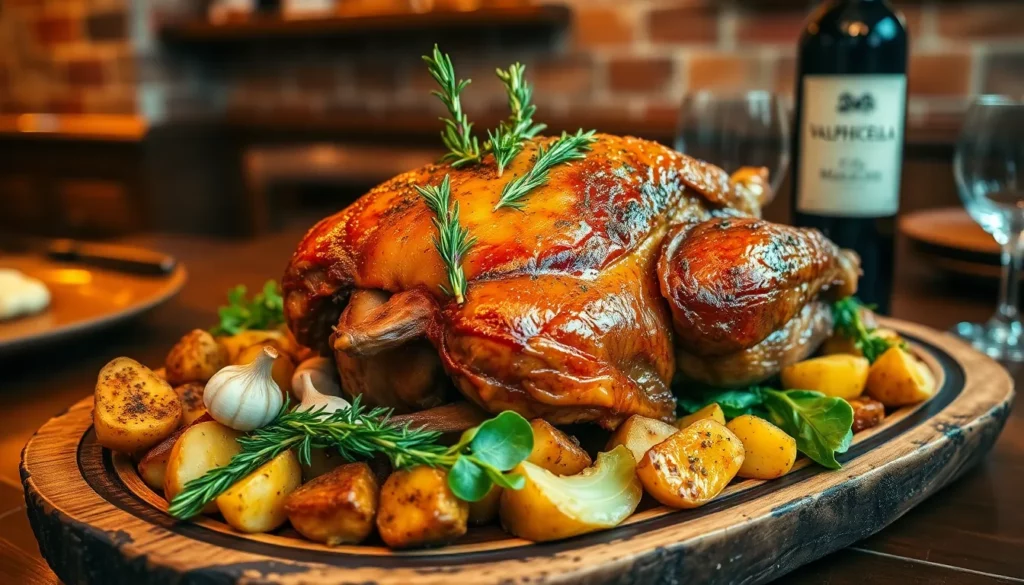
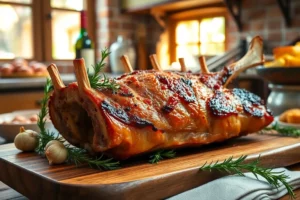
Muschiata, anatra refers to the Muscovy duck (Cairina moschata) as prepared in Italian culinary tradition. Unlike the common domestic duck (Anas platyrhynchos), the Muscovy duck is leaner, with a higher proportion of dark, gamey meat. In Italy, it is most closely associated with the Veneto region, where it is often roasted with rosemary, sage, and garlic, or braised in red wine. Key ingredients include the duck itself, extra-virgin olive oil, fresh herbs, and sometimes balsamic vinegar or fruit for stuffing. This dish is a classic secondo piatto (main course) and is prized for its robust flavor and firm texture.
Origin & History
The Muscovy duck is native to Central and South America, where it was domesticated by indigenous peoples long before European contact. Spanish explorers brought the bird to Europe in the 16th century, and it quickly spread across the continent. In Italy, the Muscovy duck found a particularly welcoming home in the Veneto region, where the lagoon environment and rich agricultural traditions favored its rearing. Historical records from the Renaissance show that Muscovy duck was served at banquets in Venice and Padua, often roasted with spices and served as a symbol of wealth. Unlike the common duck, which was more widely available, the Muscovy was considered a delicacy due to its leaner meat and distinctive flavor. Myths persist that the name “muschiata” derives from the musk-like scent of the male’s skin, though this is not a dominant characteristic in modern cooking. Today, the breed is still raised in small farms across northern Italy, and its meat is protected under some regional Slow Food presidia.
What’s In It
The core ingredients for a traditional Muschiata, anatra preparation are simple and high-quality:
- Muscovy duck (whole or cut into pieces)
- Extra-virgin olive oil
- Fresh rosemary and sage
- Garlic cloves
- Salt and black pepper
- Dry white wine or red wine (depending on the regional style)
- Optional: balsamic vinegar, juniper berries, or fruit (apples, pears, prunes) for stuffing
Preparation nuances: The duck is often marinated overnight in wine and herbs to tenderize the lean meat. Roasting is done at a moderate temperature (160–180°C) to avoid drying out the breast, while the legs benefit from longer cooking. Unlike the common duck, Muscovy does not produce as much fat, so basting with olive oil or broth is essential. This dish is distinct from anatra all’arancia (duck à l’orange), which is a French-inspired preparation with a sweet citrus sauce, and from anatra in umido, which is a braised stew often made with common duck.
Regional Variations
While the Veneto region is the heartland of Muscovy duck cookery, other Italian regions have developed their own interpretations. The table below highlights key differences:
| Region | Preparation Style | Key Ingredients | Notes |
|---|---|---|---|
| Veneto | Roasted (arrosto) with herbs | Rosemary, sage, garlic, white wine | Often served with roasted potatoes or polenta; the duck is sometimes stuffed with apples. |
| Emilia-Romagna | Stuffed and baked | Pears, prunes, pancetta, balsamic vinegar | The sweetness of fruit balances the gamey meat; a holiday specialty. |
| Tuscany | Braised in red wine (in umido) | Red wine, tomatoes, onions, celery, carrots | Long, slow cooking yields a tender, saucy dish; often served with crusty bread. |
| Lombardy | Pan-seared with butter and sage | Butter, sage, lemon, white wine | A simpler, quicker preparation; the breast is often cooked separately from the legs. |
These variations reflect local terroir and culinary traditions, but all share a respect for the unique qualities of the Muscovy duck.
How It’s Traditionally Eaten
In Italian dining, Muschiata, anatra is served as a secondo piatto (main course), following the primo (pasta or risotto) and before the contorno (side dish) or salad. It is typically accompanied by roasted potatoes, polenta, or seasonal vegetables such as radicchio or spinach. The dish is considered a festive meal, often reserved for Sunday lunches, holidays like Christmas or Easter, and special family gatherings. In the Veneto, it is also a highlight of autumn sagre (food festivals) celebrating local poultry. Wine pairings include a full-bodied red like Valpolicella or a structured white like Soave, depending on the preparation.
Common Mistakes / What It’s Not
Many American-Italian misconceptions surround Muscovy duck. First, it is not the same as the common Pekin duck used in most American duck dishes; Muscovy is leaner and requires careful cooking to avoid dryness. Second, it is not a game bird in the wild sense—though it has a gamey flavor, it is fully domesticated. Third, the dish is not typically served with heavy, sweet sauces like orange or cherry; Italian preparations emphasize herbs, wine, and sometimes fruit, but the duck’s natural flavor is the star. A common mistake is overcooking the breast; because Muscovy has less fat, it should be cooked to medium (about 60°C internal temperature) to remain juicy. Another error is using too much oil or butter, which can mask the delicate taste. Finally, do not confuse anatra muschiata with anatra muta (a different breed); the terms are sometimes used interchangeably in Italy, but muschiata specifically refers to the Muscovy.
Where to Try It / What to Order
For an authentic experience, travelers should head to the Veneto region, particularly the provinces of Padua, Treviso, and Venice. Look for trattorie and osterie that specialize in local poultry. In Padua, Osteria dal Capo is known for its anatra muschiata arrosto. In Treviso, Trattoria Due Spade offers a braised version with red wine. During autumn, the Sagra dell’Anatra in the town of Casale di Scodosia (Padua) celebrates the duck with multiple preparations. When ordering, ask for anatra muschiata arrosto con rosmarino (roasted with rosemary) or in umido (braised). If you are cooking at home, source Muscovy duck from specialty butchers or online Italian food purveyors; look for the label “anatra muschiata” or “Muscovy duck.”
Related Dishes
- Anatra all’Arancia (Duck à l’Orange)
- Pollo alla Cacciatora (Hunter’s Chicken)
- Coniglio in Umido (Braised Rabbit)
- Faraona Arrosto (Roast Guinea Fowl)
- Oca Arrosto (Roast Goose)
FAQ
What is Muschiata, anatra?
Muschiata, anatra is the Italian term for Muscovy duck, a lean, gamey poultry breed used in traditional Italian cooking, especially in the Veneto region. It is typically roasted with herbs or braised in wine.
How is Muschiata, anatra different from regular duck?
Muscovy duck is leaner and has a higher proportion of dark meat compared to common Pekin duck. It has a more pronounced gamey flavor and requires careful cooking to avoid dryness.
What is the best way to cook Muschiata, anatra?
The best method depends on the region. In Veneto, roasting with rosemary, sage, and garlic is traditional. In Tuscany, braising in red wine yields a tender result. Always marinate and baste to keep the lean meat moist.
Where can I buy Muscovy duck in Italy?
Look for 'anatra muschiata' at specialty butchers, farmers' markets, or online Italian food purveyors. In the Veneto, many small farms sell directly.
Is Muscovy duck considered game?
No, it is a domesticated breed, though its flavor is often described as gamey due to its diet and lean meat.
Leave a Reply