
Short Answer
What Is Frantoio? Italian Olive Oil Tradition Explained
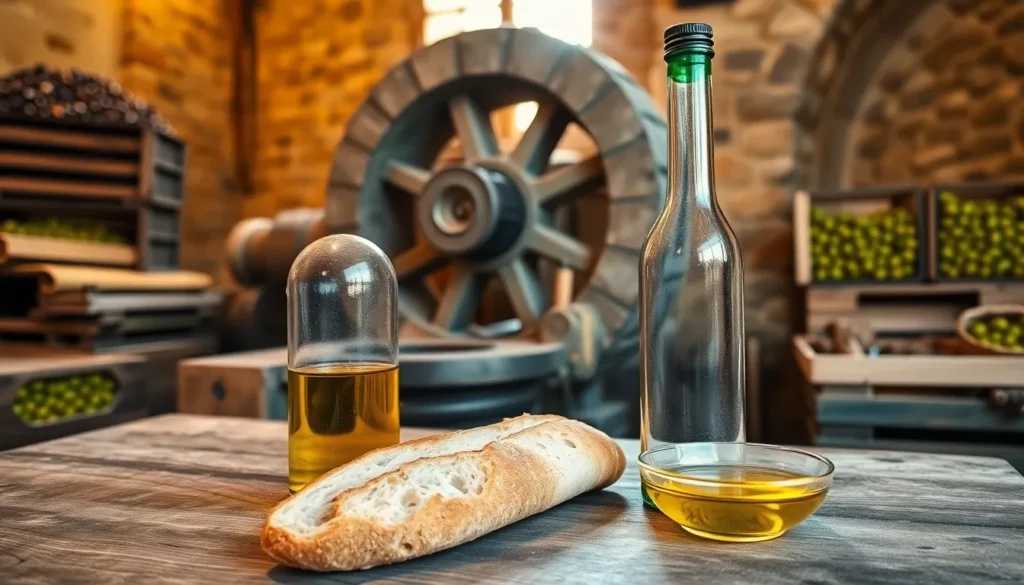
Frantoio is both a renowned olive cultivar and the name for the traditional stone mill used to produce extra virgin olive oil in Italy. Originating in Tuscany, the Frantoio olive is prized for its high oil yield and complex flavor profile—grassy, artichoke-like, with a distinct peppery finish. The term “frantoio” also refers to the mill itself, where olives are crushed and pressed, embodying centuries of artisanal craftsmanship. This dual meaning makes Frantoio a cornerstone of Italian olive oil heritage.
Origin & History
The Frantoio olive variety has been cultivated in central Italy, particularly in Tuscany, since at least the Etruscan era (8th–3rd centuries BCE). Historical records from Roman agronomists like Columella mention olive presses similar to the frantoio. The name derives from the Latin “frangere” (to break), referencing the stone millstones that crush olives. Unlike many modern industrial methods, the traditional frantoio uses granite wheels to grind the olives, preserving the oil’s natural aromas. Anecdotes from Tuscan farmers tell of families gathering at the local frantoio each autumn, a social ritual that reinforced community bonds. Today, the Frantoio variety is protected under the Toscano IGP (Indicazione Geografica Protetta) designation.
What’s In It
Frantoio olives are medium-sized, oval, and turn from green to purplish-black at maturity. The oil they produce is characterized by:
- Fruity notes: Green apple, artichoke, and fresh grass.
- Bitterness: A pleasant, balanced bitterness typical of high-quality extra virgin olive oil.
- Pungency: A peppery sensation at the back of the throat, indicating high polyphenol content.
Unlike similar varieties such as Leccino or Moraiolo, Frantoio offers a more robust and complex flavor, making it ideal for both raw consumption and cooking. The oil is extracted solely by mechanical means, without heat or chemicals, to retain its nutritional and sensory qualities.
Regional Variations
While Frantoio is most associated with Tuscany, it is grown across Italy with subtle differences:
| Region | Characteristics | Typical Blend |
|---|---|---|
| Tuscany | Grassy, artichoke, medium bitterness | Often blended with Leccino and Moraiolo |
| Umbria | More herbaceous, lower pungency | Monovarietal Frantoio or with Rajo |
| Liguria | Delicate, floral, low bitterness | Blended with Taggiasca for mildness |
| Puglia | Fruity, ripe tomato notes, higher yield | Often blended with Coratina for intensity |
These regional differences stem from soil, climate, and traditional blending practices. Travelers should seek out local frantoio mills for tastings.
How It’s Traditionally Eaten
Frantoio olive oil is a staple of the Mediterranean diet. It is used raw to dress salads, bruschetta, and grilled vegetables, or as a finishing oil for soups and pasta. In Tuscany, it is drizzled over “ribollita” (bread and vegetable soup) or “fettunta” (toasted bread rubbed with garlic). It is also used for gentle sautéing, though its delicate flavors are best appreciated uncooked. The oil is not typically used for deep frying, as high heat can degrade its polyphenols. Frantoio oil is an everyday ingredient, but a high-quality extra virgin version is reserved for special occasions and tastings.
Common Mistakes / What It’s Not
Many American consumers confuse “frantoio” with a brand or a specific bottle shape. In reality, Frantoio is a variety of olive and the mill itself. Another misconception is that all Italian olive oil is the same; Frantoio oil from Tuscany has a distinct profile that differs from Sicilian or Pugliese oils. Additionally, “frantoio” does not refer to a flavored oil—it is pure, unadulterated olive oil. Avoid buying “frantoio” oil that is not labeled “extra virgin” or that lacks a harvest date. Proper storage in a cool, dark place is essential to preserve its quality.
Where to Try It / What to Order
To experience authentic Frantoio oil, visit Tuscany’s “frantoio” mills during the harvest season (October–December). Notable producers include Fattoria di Fèlsina in Chianti, Badia a Coltibuono, and Frantoio Franci in Montalcino. Many offer guided tastings paired with local bread and wine. When ordering, ask for “olio extravergine di oliva Toscano IGP” and specify “monovarietale Frantoio” if you want a single-variety oil. In restaurants, request it for dipping or as a condiment for grilled meats.
Related Dishes
FAQ
What is Frantoio olive oil?
Frantoio is a variety of olive grown mainly in Tuscany, Italy, known for its high-quality extra virgin olive oil with grassy, artichoke-like flavors and a peppery finish. The term also refers to the traditional stone mill used to press olives.
How is Frantoio different from other olive oils?
Frantoio oil is more robust and complex than milder varieties like Leccino. It has a distinct bitterness and pungency due to high polyphenol content, making it ideal for raw use and pairing with bold flavors.
Where can I buy authentic Frantoio olive oil?
Look for bottles labeled 'Toscano IGP' and 'monovarietale Frantoio' from reputable producers. Purchase directly from Tuscan frantoio mills, specialty Italian food stores, or online retailers that provide harvest dates and origin details.
Leave a Reply