
Short Answer
What It Is
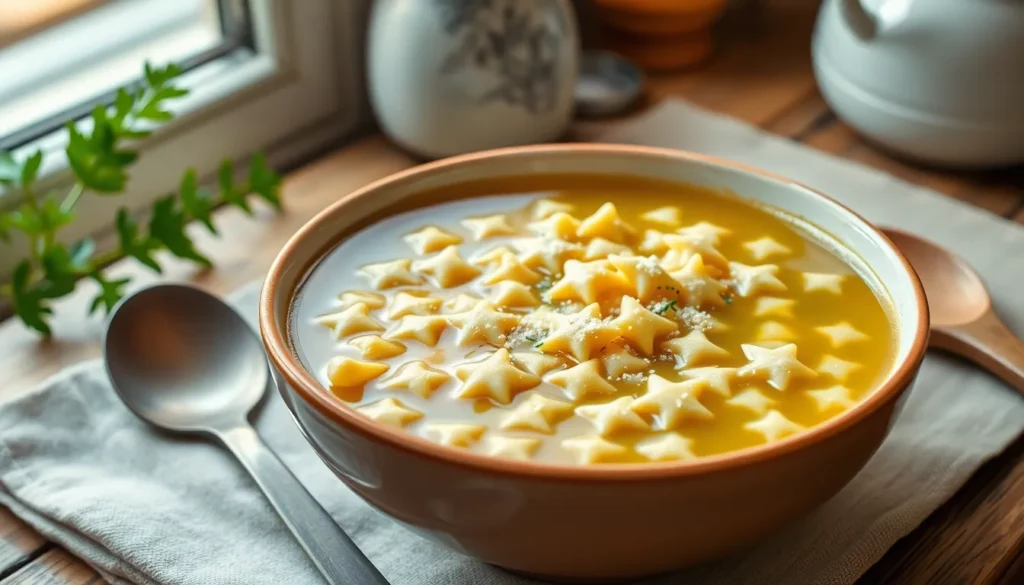
Pastina (Italian for ‘little pasta’) refers to a family of very small pasta shapes, typically ranging from 1 to 5 millimeters in size. Originating in Southern Italy, particularly in the regions of Campania and Sicily, pastina has been a staple of Italian home cooking for centuries. It is traditionally made from 100% durum wheat semolina (semola di grano duro) and water, though some modern versions may include eggs or other grains.
Authentic pastina is produced through a slow extrusion process using bronze dies, which gives the pasta a rough, porous surface that helps sauces and broths cling better. The dough is then dried at low temperatures (below 50°C) to preserve the wheat’s flavor and nutritional qualities. While pastina itself does not hold a specific DOP (Denominazione di Origine Protetta) status, many artisanal producers adhere to the guidelines of the Gragnano IGP (Indicazione Geografica Protetta) for pasta, ensuring high quality and traditional methods.
Historically, pastina was a way to use leftover dough scraps, but it evolved into a beloved ingredient for nourishing meals, especially for children, the elderly, and those recovering from illness. Its tiny size and quick cooking time (often 3–5 minutes) make it ideal for light soups and delicate dishes.
Types & Grades
Pastina comes in dozens of shapes, each suited to different culinary applications. Below is a table of common pastina varieties:
| Shape | Italian Name | Typical Use |
|---|---|---|
| Little stars | Stelline | Broth, soups, baby food |
| Small rings | Anellini | Minestrone, vegetable soups |
| Tiny tubes | Ditalini | Pasta e fagioli, hearty soups |
| Little grains | Orzo (risoni) | Salads, soups, side dishes |
| Small squares | Quadrettini | Broth, clear soups |
| Little shells | Conchigliette | Minestrone, creamy soups |
Grades of pastina are generally based on the quality of the semolina and the production method. Artisanal pastina uses bronze dies and slow drying, resulting in a superior texture and flavor. Industrial pastina may use Teflon dies and high-temperature drying, producing a smoother, less porous surface that doesn’t hold sauce as well. Some premium brands offer organic or whole wheat versions.
How It’s Used in Cooking
Pastina is most famously used in brodo (broth). A classic Italian comfort dish is pastina in brodo, where the tiny pasta is cooked in homemade chicken or vegetable broth, often enriched with a drizzle of olive oil and grated Parmigiano-Reggiano. It is also a key ingredient in minestrina, a light soup for convalescents.
In Southern Italy, pastina is used in pasta e fagioli (pasta and beans) and pasta e ceci (pasta and chickpeas), where the small shapes absorb the legume-based sauce. For children, pastina is often cooked in milk with a little butter and sugar, creating a sweet, porridge-like dish called pastina dolce.
Beyond soups, pastina can be used in salads (e.g., orzo salad with vegetables and herbs) or as a base for baked dishes like pastina al forno, mixed with béchamel and cheese. Its quick cooking time (3–5 minutes) makes it convenient for weeknight meals.
“Pastina is the first solid food many Italian children eat. It’s a symbol of home, warmth, and care.” – Italian culinary tradition
How to Choose/Identify Authentic Pastina
To ensure you are buying authentic, high-quality pastina, look for the following cues:
- 100% durum wheat semolina – The ingredient list should show semola di grano duro as the sole ingredient (or with water). Avoid blends with soft wheat or additives.
- Bronze die extrusion – Authentic pastina has a rough, matte surface. If the pasta is shiny and smooth, it was likely made with Teflon dies.
- Slow drying – Check for a drying temperature below 50°C (122°F). Some brands indicate “slow dried” or “low temperature” on the package.
- Color – High-quality pastina has a warm amber-yellow color, not pale or bright yellow (which may indicate artificial coloring).
- Origin – Look for pasta made in Italy, especially from regions like Gragnano (Campania) or other areas with a pasta-making tradition. Some packages carry the Gragnano IGP seal.
- Texture after cooking – Authentic pastina should hold its shape, release starch into the broth (making it slightly creamy), and have a pleasant al dente bite.
For commercial buyers, consider brands like De Cecco, Rummo, La Molisana, or Garofalo that offer pastina lines. Artisanal producers such as Pastificio dei Campi or Mancini also produce excellent pastina.
Substitutes
If pastina is unavailable, several Italian pasta shapes can serve as substitutes, depending on the dish:
- Orzo (risoni) – Rice-shaped pasta, ideal for soups and salads. It cooks similarly and has a similar texture.
- Fregola – A Sardinian pasta made from semolina and water, rolled into small balls and toasted. It adds a nutty flavor to soups.
- Acini di pepe – Literally “peppercorns,” these tiny round pasta pieces are excellent in broths and cold salads.
- Small broken spaghetti – Break spaghetti into 1–2 cm pieces for a rustic substitute in soups.
- Conchigliette – Small shells that work well in minestrone and creamy soups.
When substituting, consider the cooking time and shape. For baby food or delicate broths, stelline or anellini are best; for heartier soups, ditalini or orzo are more appropriate.
Conclusion
Pastina is more than just a tiny pasta; it is a cornerstone of Italian home cooking, embodying comfort, tradition, and nourishment. Whether you are making a soothing bowl of pastina in brodo for a sick child or a hearty pasta e fagioli, choosing authentic pastina made from durum wheat semolina and bronze dies ensures the best flavor and texture. With its quick cooking time and versatility, pastina deserves a place in every pantry.
FAQ
What is pastina made of?
Authentic pastina is made from 100% durum wheat semolina and water. Some variations may include eggs, but traditional pastina is egg-free.
How long does pastina take to cook?
Pastina cooks very quickly, typically in 3 to 5 minutes, depending on the shape and size. It should be al dente.
Can pastina be used in cold dishes?
Yes, pastina shapes like orzo (risoni) are excellent in cold pasta salads. Cook, drain, and toss with vegetables, herbs, and dressing.
Leave a Reply