

Short Answer
What It Is
Pepato (also known as Pecorino Pepato) is a traditional Italian cheese made exclusively from sheep’s milk, originating from the island of Sicily. Its defining characteristic is the addition of whole black peppercorns to the curd, which gives the cheese a distinctive spicy, aromatic flavor. The name “Pepato” itself derives from the Italian word pepe (pepper), directly referencing this key ingredient.
While not a standalone DOP (Denominazione di Origine Protetta) product, Pepato is often produced under the broader Pecorino Siciliano DOP designation, which protects cheeses made from Sicilian sheep’s milk following traditional methods. However, many artisanal producers also make Pepato outside the DOP framework, adhering to time-honored recipes. The cheese is typically cylindrical or wheel-shaped, with a straw-yellow interior dotted with black specks of pepper. Its rind is usually natural or lightly rubbed with olive oil, and it can be found in both fresh (young) and aged (stagionato) versions.
The production process begins with whole sheep’s milk, which is coagulated using lamb’s rennet. The curd is broken into small, rice-sized granules, then gently heated to expel whey. Whole black peppercorns are added at this stage, mixed evenly into the curd. The curd is then placed in molds, pressed, and salted—either dry or in brine. Aging takes place in cool, humid cellars for a minimum of 20–30 days for fresh Pepato, and up to 12 months or more for aged varieties. During aging, the cheese develops a firmer texture and a more pronounced peppery heat.
Pepato is particularly associated with the regions of Sicily, especially the provinces of Agrigento, Caltanissetta, and Enna, where sheep farming and cheese-making have deep historical roots. It is also produced in parts of Sardinia and Lazio, though the Sicilian version remains the most renowned.
Types & Grades
Pepato is categorized primarily by its aging period, which influences texture, flavor intensity, and culinary applications. Below is a table summarizing the main grades:
| Grade | Aging Time | Texture | Flavor Profile | Best Uses |
|---|---|---|---|---|
| Fresco (Fresh) | 20–30 days | Soft, slightly crumbly, moist | Mild, milky, with subtle pepper warmth | Table cheese, salads, light pasta |
| Semistagionato (Semi-aged) | 2–4 months | Firm, dense, still pliable | More pronounced pepper, nutty undertones | Grilling, melting, antipasti |
| Stagionato (Aged) | 6–12 months | Hard, granular, brittle | Intense pepper heat, sharp, savory | Grating over pasta, soups, or risotto |
| Stravecchio (Extra-aged) | 12+ months | Very hard, crystalline | Extremely sharp, peppery, complex | Grating, pairing with honey or dried fruit |
Some producers also offer Pepato al Pepe Verde (with green peppercorns) for a milder, fresher spice, or Pepato Affumicato (smoked), which adds a layer of smokiness. These variations are less common but worth seeking out.
How It’s Used in Cooking
Pepato’s versatility makes it a staple in both traditional Sicilian kitchens and modern Italian cuisine. Its peppery character allows it to shine in a variety of dishes:
Table Cheese & Antipasti
Young Pepato is often served as part of a tagliere (cheese board) alongside olives, cured meats, and crusty bread. The fresh version pairs beautifully with sweet accompaniments like fig jam or honey, which balance the pepper’s heat.
Pasta & Risotto
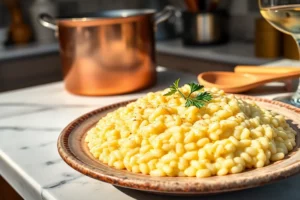
Aged Pepato is grated over pasta dishes such as Pasta alla Norma (with eggplant, tomato, and ricotta salata) or Pasta con le Sarde (with sardines, fennel, and pine nuts). It can also be stirred into risotto for a spicy, creamy finish. A classic Sicilian preparation is Pasta con Pepato e Mollica – pasta tossed with grated Pepato, toasted breadcrumbs, and olive oil.
Baked Dishes
Semistagionato Pepato melts well, making it ideal for cassola (Sicilian baked pasta) or involtini (stuffed meat rolls). It is also used in frittate (Italian omelets) and savory pies like impanata (Sicilian stuffed bread).
Grilled or Fried
Thick slices of semistagionato Pepato can be grilled or pan-fried until golden, creating a crispy exterior and a soft, molten interior. This is often served as a starter with a drizzle of balsamic reduction or a sprinkle of oregano.
Pairing with Wine & Other Beverages
Pepato’s spiciness calls for wines that can stand up to its heat. A crisp Sicilian white like Grillo or Catarratto works well with fresh Pepato, while aged versions pair with medium-bodied reds such as Nero d’Avola or Frappato. For a non-alcoholic option, try it with a sparkling water and lemon.
“In Sicily, Pepato is not just a cheese; it’s a memory of the mountains, the sheep, and the black pepper that traveled from the East. It brings warmth to the table and history to the palate.” – Traditional Sicilian saying
How to Choose/Identify Authentic Pepato
When purchasing Pepato, especially online or from specialty retailers, look for these authenticity cues:
- Labeling: Authentic Pepato should mention “Pecorino Siciliano DOP” if it falls under that protection. Otherwise, look for “Prodotto in Sicilia” (Product of Sicily) and the producer’s name. Avoid generic “Pecorino Pepato” without origin details.
- Ingredients: The only ingredients should be sheep’s milk, rennet, salt, and whole black peppercorns. No artificial colors, preservatives, or added flavors. The peppercorns should be visible and evenly distributed.
- Rind: Natural rind (often with a light mold bloom) or oil-rubbed. Avoid wax-coated or plastic-wrapped cheeses, which are typical of mass-produced imitations.
- Texture & Aroma: Fresh Pepato should be slightly springy; aged Pepato should be hard and granular. The aroma should be milky and peppery, not ammoniated or sour.
- Price: Authentic artisanal Pepato is more expensive than generic pecorino. If the price seems too low, it’s likely a factory-made version with ground pepper instead of whole peppercorns.
- Certifications: Look for the DOP logo (yellow and red) on the packaging for guaranteed origin and quality. Some producers also carry the “Presidio Slow Food” label, indicating traditional methods.
For commercial buyers, sourcing directly from Sicilian dairies or reputable Italian importers ensures authenticity. Always check the production date and aging statement.
Substitutes
If Pepato is unavailable, several Italian cheeses can mimic its peppery character, though none are exact matches:
- Pecorino Romano with added black pepper: This is the closest substitute. Grate whole black peppercorns into grated Pecorino Romano just before use. Note that Pecorino Romano is saltier and sharper, so adjust seasoning.
- Pecorino Toscano with peppercorns: Some Tuscan producers make a similar cheese, though it is less common. It has a milder, creamier base than Sicilian Pepato.
- Canestrato Pugliese with pepper: A hard sheep’s milk cheese from Puglia, sometimes studded with peppercorns. It has a more granular texture and a slightly different flavor due to the local sheep’s diet.
- Homemade blend: For cooking, mix grated Pecorino Sardo or Pecorino Romano with coarsely ground black pepper. This works well in pasta dishes but lacks the whole peppercorn texture.
Non-Italian substitutes like aged Manchego with black pepper or even a peppered Gouda can be used in a pinch, but they will not replicate the authentic sheep’s milk tang and Sicilian terroir.
Conclusion
Pepato is a unique expression of Sicilian cheese-making tradition, where the heat of black pepper meets the creamy richness of sheep’s milk. Whether enjoyed fresh on a cheese board or aged and grated over pasta, it offers a versatile and memorable flavor. When buying, prioritize authenticity through DOP labeling, whole peppercorns, and artisanal production. For those unable to find genuine Pepato, a simple blend of Pecorino Romano and fresh black pepper can approximate its character. This spiced pecorino remains a beloved ingredient in Italian cuisine, bridging the island’s pastoral heritage with its vibrant culinary present.
FAQ
Is Pepato the same as Pecorino Romano?
No. While both are sheep’s milk cheeses, Pecorino Romano is a DOP cheese from Lazio, Sardinia, and Tuscany, aged longer and saltier, without added peppercorns. Pepato is a Sicilian cheese with whole black peppercorns, often less salty and more aromatic.
Can I eat the rind of Pepato?
Yes, the natural rind is edible, though it may be slightly tough in aged versions. The oil-rubbed rind is also safe to eat. However, if the rind has a thick wax coating (common in mass-produced imitations), it should be removed.
How should I store Pepato?
Wrap Pepato in wax paper or cheese paper, then place it in a loosely closed plastic bag or container in the refrigerator. Avoid airtight wrapping, as the cheese needs to breathe. Fresh Pepato keeps for 1–2 weeks; aged Pepato can last several weeks if stored properly. Bring to room temperature before serving for best flavor.
Does Pepato contain lactose?
Aged Pepato (stagionato) contains very little lactose, as most is broken down during aging. Fresh Pepato has slightly more lactose but is still often tolerated by many with lactose sensitivity. However, individuals with severe lactose intolerance should consult their doctor.




Leave a Reply