
Short Answer
What It Is
Pistacchio (Pistacia vera) is a nut with a storied history in Italian gastronomy, particularly revered for its vibrant green color, rich flavor, and buttery texture. The finest Italian pistachios come from the volcanic slopes of Mount Etna in Sicily, where the unique microclimate and mineral-rich soil produce a nut of exceptional quality. The cultivation of pistachio in Sicily dates back to the Arab domination (9th–11th centuries), and the nut has since become a cornerstone of Sicilian culinary identity.
The most prestigious Italian pistachio is the Pistacchio Verde di Bronte DOP (Denominazione di Origine Protetta), awarded in 2009 by the European Union. This certification guarantees that the pistachios are grown, harvested, and processed within the designated area around the town of Bronte, using traditional methods. The DOP status also mandates specific quality standards: the nuts must be at least 50% bright green, with a characteristic purple hue on the skin, and a minimum size of 18/20 (meaning 18–20 nuts per ounce).
Production is labor-intensive. Harvesting occurs in late August to early September, when the nuts are hand-picked to avoid damage. The outer hull is removed within 24 hours to prevent staining, and the nuts are then dried naturally in the sun or in low-temperature ovens. The result is a pistachio with an intense, sweet flavor and a tender crunch that sets it apart from other varieties.
Types & Grades
Italian pistachios are classified primarily by size, color, and processing method. The grading system is crucial for both culinary and commercial applications. Below is a table summarizing the main grades:
| Grade | Size (nuts per ounce) | Color | Typical Use |
|---|---|---|---|
| Extra Large (18/20) | 18–20 | Bright green with purple skin | Premium pastry, gelato, and garnishes |
| Large (20/22) | 20–22 | Green with some purple | Pesto, sauces, and baking |
| Medium (22/24) | 22–24 | Green to light green | Snacking, confectionery, and ground products |
| Small (24/26) | 24–26 | Pale green | Industrial use, oils, and pastes |
Beyond size, pistachios are categorized by processing:
- Natural (in shell): Unroasted, unsalted, with the hard shell intact. Used for roasting at home or as a premium snack.
- Shelled (sgusciato): Nuts removed from the shell, often with the thin purple skin still attached. Preferred for cooking and pastry.
- Blanched (pelato): Shelled and then briefly boiled to remove the skin, revealing a bright green kernel. Ideal for pistachio paste and ice cream where a uniform color is desired.
- Roasted (tostato): Dry-roasted or oil-roasted, with or without salt. Common for snacking but less used in traditional Italian cooking.
Only pistachios from Bronte can bear the DOP label. Non-DOP Italian pistachios (e.g., from Agrigento or Caltanissetta) are also of high quality but lack the same strict regulations. Imported pistachios, especially from Iran and the USA, are widely available but differ significantly in flavor and color.
How It’s Used in Cooking
Pistacchio is a versatile ingredient in Italian cuisine, appearing in both savory and sweet dishes. Its unique flavor—earthy, slightly sweet, with a hint of resin—enhances everything from pasta to pastry.
Savory Applications
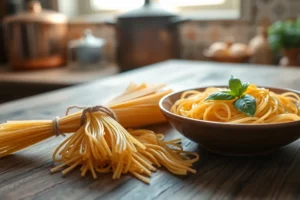
- Pesto alla Trapanese: A Sicilian variation of pesto made with pistachios, tomatoes, basil, garlic, and olive oil. Served with busiate or other short pasta.
- Mortadella di Pistacchio: A classic Italian sausage studded with whole pistachios, often served as an antipasto.
- Crusts and Coatings: Crushed pistachios are used to coat fish (e.g., sea bass), chicken, or lamb, adding a crunchy, flavorful crust.
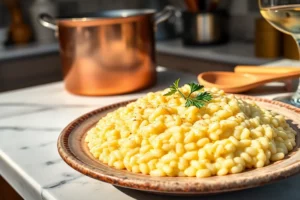
- Risotto: Pistachio pesto or ground nuts are stirred into risotto for a vibrant green color and nutty depth.
Sweet Applications
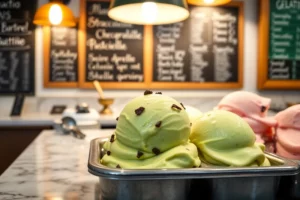
- Gelato: Pistachio gelato is a beloved flavor, made with a base of milk, sugar, and pistachio paste. Authentic versions use only natural pistachios, not artificial coloring.
- Cannoli: The classic Sicilian pastry often features pistachio cream or chopped pistachios as a filling or garnish.
- Pasticceria: Pistachio is used in cakes, cookies (e.g., biscotti), and pastries like sfogliatelle or bignè.
- Torrone: A traditional nougat that sometimes includes pistachios alongside honey and almonds.
“In Sicily, pistachio is not just an ingredient; it is a symbol of the land’s volcanic fertility and the Arab heritage that shaped our cuisine.” – Traditional Sicilian saying
Professional chefs prize pistachio for its ability to add both color and flavor. Pistachio oil, cold-pressed from the nuts, is used as a finishing oil for salads, grilled vegetables, and carpaccio.
How to Choose/Identify Authentic PISTACCHIO
For commercial buyers and home cooks alike, identifying authentic Italian pistachio—especially DOP—is essential to ensure quality and avoid counterfeit products. Follow these guidelines:
- Check the Label: Look for the DOP logo and the words “Pistacchio Verde di Bronte DOP” on the packaging. The consortium’s seal guarantees origin and quality.
- Examine the Color: Authentic Bronte pistachios have a vivid green kernel with a purple skin. Dull or pale green indicates lower quality or older nuts.
- Smell: Fresh pistachios have a sweet, nutty aroma. Rancid or musty odors suggest improper storage.
- Texture: The nuts should be firm and crisp, not soft or rubbery. When shelled, the skin should adhere slightly but not be overly sticky.
- Size Uniformity: DOP pistachios are graded by size; a consistent size indicates careful sorting. Mixed sizes may signal a blend of origins.
- Price: Authentic DOP pistachios are significantly more expensive than generic imports. If the price seems too good to be true, it likely is.
- Supplier Reputation: Purchase from reputable Italian importers or directly from producers in Bronte. Many offer online sales with traceability documentation.
For professional kitchens, building a relationship with a trusted supplier ensures a steady supply of authentic product. Always request a certificate of origin for large orders.
Substitutes
While no substitute perfectly replicates the unique flavor and color of Italian pistacchio, several Italian ingredients can be used in specific contexts:
- Almonds (Mandorle): The most common substitute, especially in pesto or crusts. Use blanched almonds for a milder flavor and lighter color. However, almonds lack the pistachio’s distinct sweetness and green hue.
- Pine Nuts (Pinoli): Often used in pesto alla Genovese, pine nuts offer a buttery texture but are more expensive and have a different flavor profile. They work well in savory dishes but not in desserts where pistachio color is desired.
- Cashews (Anacardi): When ground, cashews can mimic the creamy texture of pistachio paste. They are a good base for vegan “pistachio” creams, though artificial coloring is usually needed to achieve the green color.
- Hazelnuts (Nocciole): Particularly from Piedmont, hazelnuts provide a rich, toasty flavor that can complement chocolate or coffee-based desserts, but they are not a direct substitute for pistachio in traditional recipes.
In professional settings, chefs may blend two or more substitutes to approximate pistachio’s complexity, but for authentic Italian dishes, using genuine pistacchio is strongly recommended.
Conclusion
Pistacchio, especially the DOP-protected Pistacchio Verde di Bronte, is a treasure of Italian gastronomy. Its vibrant color, delicate flavor, and versatility make it indispensable in both traditional and modern cooking. By understanding its origins, grades, and authenticity markers, chefs and food lovers can fully appreciate this “green gold” and use it to elevate their culinary creations. Whether in a classic pesto, a creamy gelato, or a crunchy crust, authentic Italian pistacchio delivers an unmatched sensory experience.
FAQ
What is Pistacchio Verde di Bronte DOP?
Pistacchio Verde di Bronte DOP is a protected designation of origin for pistachios grown in the Bronte area of Sicily, Italy. It guarantees the nuts are produced, processed, and packaged within the designated region, meeting strict quality standards for color, size, and flavor. The DOP status was awarded by the European Union in 2009.
How should I store pistachios to maintain freshness?
Store pistachios in an airtight container in a cool, dark place (below 20°C) for up to 6 months. For longer storage, refrigerate or freeze them (up to 1 year). Avoid exposure to heat, light, and moisture, which can cause rancidity. Shelled pistachios are more perishable than those in the shell.
What is the difference between Sicilian and Iranian pistachios?
Sicilian pistachios (especially DOP Bronte) are smaller, brighter green, and have a sweeter, more intense flavor with a purple skin. Iranian pistachios are larger, often pale green, and have a milder, more buttery taste. Sicilian pistachios are typically more expensive and prized for premium culinary uses, while Iranian varieties are common for snacking and industrial applications.
Can I use pistachio paste as a substitute for whole pistachios in recipes?
Pistachio paste can be used as a substitute in recipes where a smooth texture is desired, such as gelato, creams, or fillings. However, it will not provide the crunchy texture of whole or chopped pistachios. Adjust the recipe’s liquid content accordingly, as paste adds moisture and fat.

Leave a Reply