
Short Answer
What It Is
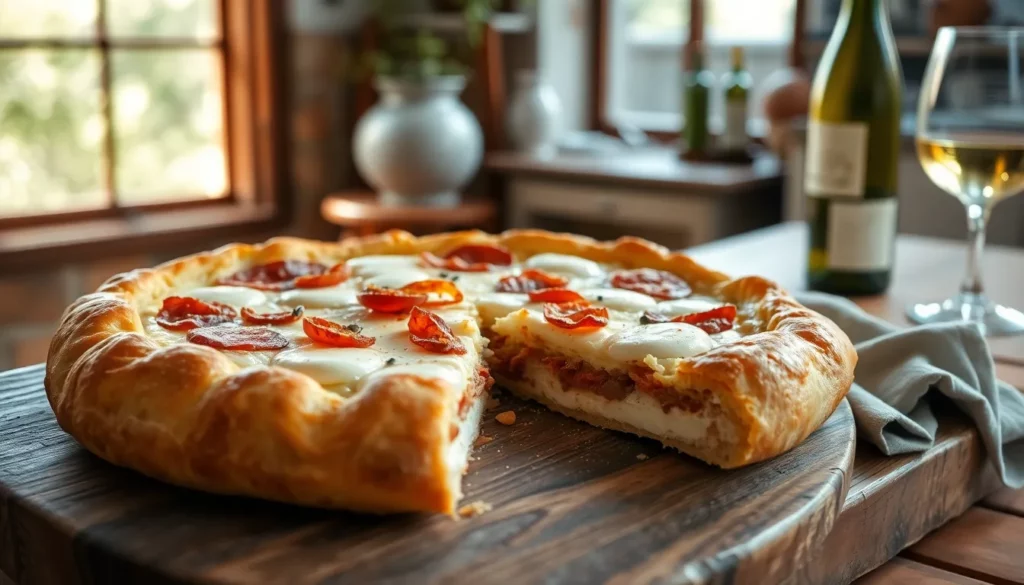
Pizza Rustica, also known as Pizza di Pasqua (Easter pizza) or Pizza al formaggio, is a traditional Italian savory pie that hails from the southern regions of Campania, Sicily, and Calabria. Despite its name, it bears little resemblance to the modern pizza; instead, it is a rich, double-crusted pie filled with a mixture of fresh cheeses (such as ricotta and mozzarella), eggs, cured meats (like salami, prosciutto, or soppressata), and sometimes vegetables or herbs. The filling is encased in a buttery shortcrust or puff pastry, then baked until golden. Historically, Pizza Rustica was prepared during the Easter season as a way to use up the abundance of eggs and dairy that were forbidden during Lent. It is a celebratory dish, often served at room temperature as an appetizer or main course during festive gatherings.
While Pizza Rustica does not hold a DOP (Denominazione di Origine Protetta) or PGI (Indicazione Geografica Protetta) status—since it is a prepared dish rather than a raw ingredient—it is recognized as a Prodotto Agroalimentare Tradizionale (PAT) by the Italian Ministry of Agricultural Policies in several regions. This designation acknowledges its deep roots in local culinary traditions and guarantees that the recipe follows historical methods. The production method varies by family and region, but the core technique involves preparing a pastry crust, mixing the filling with beaten eggs and cheese, assembling the pie, and baking it slowly to achieve a creamy interior and crisp crust.
Types & Grades
Pizza Rustica is not classified by official grades, but it can be categorized by regional variations and the quality of ingredients used. The table below outlines the most common types:
| Type | Region | Key Ingredients | Characteristics |
|---|---|---|---|
| Neapolitan Pizza Rustica | Campania | Ricotta, mozzarella, salami, eggs, pecorino | Rich, creamy filling; often includes a mix of fresh and aged cheeses; shortcrust pastry |
| Sicilian Pizza Rustica | Sicily | Ricotta, caciocavallo, salami, hard-boiled eggs, sometimes spinach | Denser filling; may include whole hard-boiled eggs; often uses a lard-based pastry |
| Calabrian Pizza Rustica | Calabria | Ricotta, mozzarella, nduja (spreadable salami), eggs | Spicier due to nduja; sometimes includes roasted peppers |
| Lenten (Quaresimale) Version | Various | Ricotta, spinach, herbs, no meat | Meatless, prepared during Lent; lighter filling |
In terms of quality, artisanal Pizza Rustica made with fresh, locally sourced cheeses and hand-rolled pastry is considered superior to mass-produced versions found in supermarkets. The best examples are often sold in Italian bakeries or forni (bakeries) during the Easter season.
How It’s Used in Cooking
Pizza Rustica is primarily a standalone dish, but it can be incorporated into various culinary contexts:
- Antipasto or Appetizer: Served in small wedges alongside cured meats, olives, and a glass of white wine.
- Main Course: Accompanied by a fresh salad or roasted vegetables for a light lunch or dinner.
- Picnic or Buffet: Its sturdy crust and room-temperature serving make it ideal for outdoor gatherings.
- Easter Brunch: A centerpiece of the traditional Italian Easter table, often paired with Pastiera (sweet Easter tart) for contrast.
In professional kitchens, Pizza Rustica is sometimes deconstructed: the filling can be used as a stuffing for vegetables or as a base for savory tarts. However, the classic preparation remains the most respected. A traditional saying from Campania captures its role:
“A tavola non si invecchia: la Pizza Rustica è la festa che si mangia.” (At the table you do not age: Pizza Rustica is the feast you eat.)
How to Choose/Identify Authentic Pizza Rustica
For commercial buyers—whether restaurateurs, caterers, or specialty food retailers—selecting an authentic Pizza Rustica requires attention to several cues:
- Pastry: Look for a golden, evenly baked crust that is flaky but not greasy. Authentic versions use butter or lard, not margarine.
- Filling: The interior should be moist but not runny, with visible chunks of cheese and meat. The ricotta should be creamy, not grainy.
- Cheese Quality: Fresh ricotta (preferably from sheep’s milk) and mozzarella di bufala are hallmarks of high-quality Pizza Rustica.
- Meat: Cured meats should be of good provenance—e.g., Salame di Napoli or Prosciutto di Parma. Avoid products with artificial colorings or excessive fat.
- Seasonality: Authentic Pizza Rustica is typically available only around Easter (March–April). Year-round availability may indicate a frozen or industrial product.
- Labeling: Check for the PAT (Traditional Agri-food Product) logo or regional certifications. While not mandatory, they indicate adherence to traditional methods.
When purchasing from a bakery, ask about the recipe’s origin and whether the pastry is made in-house. A reputable producer will be transparent about ingredients.
Substitutes
If Pizza Rustica is unavailable, several Italian savory pies can serve as worthy substitutes, each with its own character:
- Torta Pasqualina: A Ligurian Easter pie filled with spinach, ricotta, and whole eggs. Lighter and more vegetable-forward, it is an excellent alternative for those seeking a less rich option.
- Scacciata Siciliana: A stuffed bread from Sicily, filled with caciocavallo, anchovies, or broccoli. It offers a different texture (bread vs. pastry) but similar savory satisfaction.
- Calzone: A folded pizza dough filled with mozzarella, ricotta, and cured meats. While not a pie, it shares the concept of a baked, filled dough.
- Erbazzone: An Emilian savory pie made with chard, spinach, and Parmigiano-Reggiano. It is vegetarian and has a thinner crust.
Each substitute brings its own regional identity and can be used in the same contexts as Pizza Rustica—antipasto, main course, or picnic fare. However, none replicate the exact combination of rich cheeses and cured meats that define the original.
Conclusion
Pizza Rustica is a cornerstone of Italian Easter tradition, embodying the resourcefulness and festive spirit of Southern Italian cooking. Its rich filling, flaky crust, and regional variations make it a versatile dish for both home cooks and professionals. When selecting an authentic Pizza Rustica, prioritize fresh ingredients, traditional pastry, and seasonal availability. While substitutes exist, the genuine article remains unmatched in its celebration of cheese, eggs, and cured meats. Whether enjoyed as a nostalgic family recipe or discovered anew, Pizza Rustica offers a taste of Italy’s culinary heritage.
FAQ
What is the difference between Pizza Rustica and regular pizza?
Pizza Rustica is a savory pie, not a flatbread. It has a double crust (top and bottom) and is filled with a mixture of cheeses, eggs, and cured meats, then baked. Regular pizza is an open-faced flatbread with tomato sauce and toppings. The two share only the name 'pizza' in Italian, which historically referred to any savory baked good.
Can Pizza Rustica be frozen?
Yes, Pizza Rustica freezes well. Wrap it tightly in plastic wrap and then aluminum foil. It can be frozen for up to 3 months. To serve, thaw overnight in the refrigerator and reheat in a 350°F (175°C) oven for 10–15 minutes until warmed through. Avoid microwaving, as it will make the crust soggy.
What is the best cheese to use in Pizza Rustica?
The classic combination includes fresh sheep's milk ricotta (for creaminess), mozzarella (for stretch), and a sharp aged cheese like pecorino or Parmigiano-Reggiano (for flavor). Some recipes also add provola or caciocavallo. For authenticity, use high-quality, fresh cheeses from Italy.

Leave a Reply