
Short Answer
What It Is
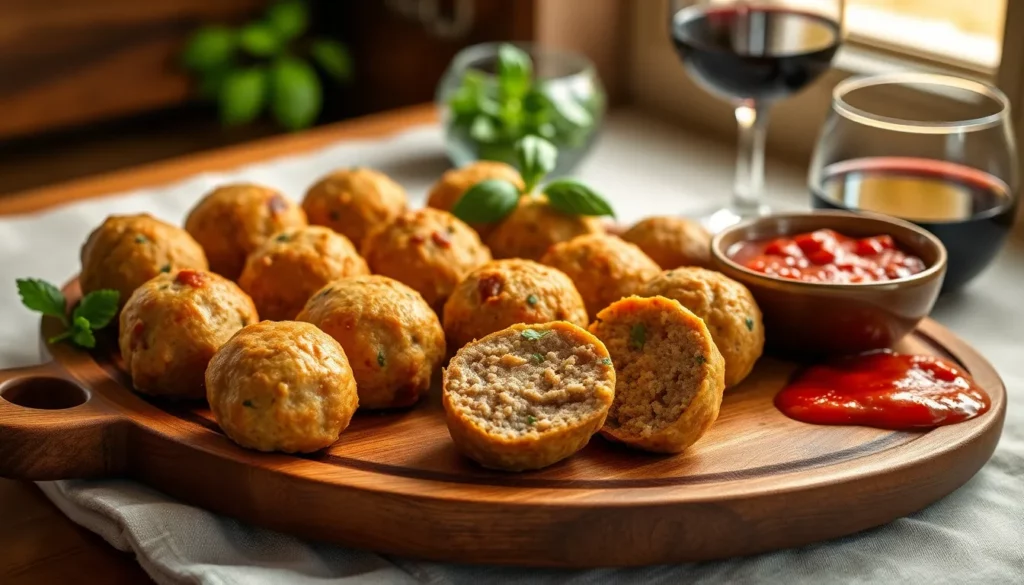
Polpetta (plural: polpette) is the Italian term for a meatball, a staple of Italian home cooking and trattoria fare. Unlike the heavily breadcrumbed, sauce-drenched versions found elsewhere, the authentic Italian polpetta is a delicate balance of minced meat, stale bread soaked in milk or broth, eggs, grated cheese (often Parmigiano Reggiano DOP or Pecorino Romano DOP), and fresh herbs. The mixture is gently shaped and either fried, baked, or simmered in sauce. While polpetta does not hold a DOP or PGI status as a finished product, its key ingredients—such as Parmigiano Reggiano DOP, Prosciutto di Parma DOP, and extra virgin olive oil DOP—are protected. The tradition of polpetta dates back to ancient Roman times, when offcuts of meat were ground and combined with grains to stretch resources. Today, every Italian region boasts its own interpretation, from the tiny polpette of Emilia-Romagna to the large, oven-baked polpettone of Lombardy.
Types & Grades
Polpette vary widely across Italy, classified by size, meat composition, cooking method, and regional tradition. The following table outlines the most common types:
| Type | Region | Meat Base | Size | Cooking Method |
|---|---|---|---|---|
| Polpette di Carne | National | Beef, pork, or veal | Small (2–3 cm) | Fried or simmered in tomato sauce |
| Polpette di Pesce | Coastal (Sicily, Campania) | Fish (e.g., baccalà, tuna) | Small to medium | Fried or baked |
| Polpette di Melanzane | Southern Italy | Eggplant (vegetarian) | Small | Fried |
| Polpettone | Lombardy, Piedmont | Beef, pork, or mixed | Large (loaf) | Baked or braised |
| Polpette al Sugo | Central Italy | Beef and pork | Medium | Simmered in tomato sauce |
Grades of polpetta are not officially classified, but quality is determined by the percentage of meat (ideally 70–80%), the use of fresh bread soaked in milk rather than dry breadcrumbs, and the inclusion of DOP cheeses. Artisanal polpette often use grass-fed beef or heritage pork breeds such as Cinta Senese.
How It’s Used in Cooking
Polpette are incredibly versatile. The most iconic dish is Spaghetti con Polpette (spaghetti with meatballs), though in Italy meatballs are often served as a second course (secondo piatto) with a side of vegetables or salad, rather than heaped over pasta. Other traditional applications include:
- Polpette al Sugo – meatballs simmered in a simple tomato sauce, served with crusty bread or polenta.
- Polpette Fritte – fried meatballs, often served as an antipasto or snack.
- Polpette in Brodo – meatballs cooked in broth, a comforting winter soup.
- Polpettone – a large meatloaf, often stuffed with hard-boiled eggs, cheese, or vegetables, then baked and sliced.
- Polpette di Pesce – fish balls, typical of coastal regions, served with lemon or a light sauce.
In professional kitchens, polpette are also used to add texture to ragù or as a filling for sandwiches. The key is to avoid overcooking, which dries out the meat; gentle simmering or shallow frying ensures a moist interior.
How to Choose/Identify Authentic Polpetta
When buying or ordering polpette, look for these authenticity cues:
- Ingredient list: Authentic polpette contain a high proportion of meat (at least 70%), fresh bread soaked in milk (not dry breadcrumbs), eggs, and a DOP cheese like Parmigiano Reggiano or Pecorino Romano. Avoid products with fillers, soy protein, or excessive salt.
- Texture: The interior should be tender and moist, not dense or rubbery. A good polpetta holds together without being tough.
- Color: When fried, the exterior should be golden brown; when simmered, the sauce should cling to the meatball.
- Origin labeling: While no DOP exists for polpetta, look for indications of regional origin (e.g., “Polpette alla Romana” or “Polpette di Carne di Chianina”) and certifications on key ingredients.
- Artisanal vs. industrial: Artisanal polpette are often sold fresh or frozen by specialty butchers or Italian delis. Industrial versions may contain preservatives and lower meat content.
“A true polpetta should taste of the meat, not of the bread.” – Traditional Italian kitchen wisdom
Substitutes
If authentic polpetta is unavailable, several Italian alternatives can be used in similar dishes:
- Polpettone – a large meatloaf that can be sliced and used in place of meatballs in sauces or sandwiches.
- Polpette di Melanzane – eggplant-based balls, ideal for vegetarian versions of classic dishes.
- Polpette di Ceci – chickpea balls, a vegan option from southern Italy, often served with tomato sauce.
- Polpette di Baccalà – salt cod balls, a traditional substitute in coastal regions during Lent.
These substitutes maintain the Italian spirit while accommodating dietary restrictions or ingredient availability.
Conclusion
Polpetta is more than a meatball; it is a symbol of Italian resourcefulness and regional diversity. From the humble cucina povera to modern gastronomy, the polpetta continues to evolve while staying true to its roots. By understanding its history, variations, and quality markers, you can appreciate and select the finest polpette for your table.
FAQ
What is the difference between polpetta and polpettone?
Polpetta refers to small, round meatballs, while polpettone is a large, loaf-shaped meat dish, often stuffed and baked. Both are made from similar ingredients but differ in size and presentation.
Can polpette be made without meat?
Yes, vegetarian versions like polpette di melanzane (eggplant balls) or polpette di ceci (chickpea balls) are common in Italian cuisine, especially in southern regions.
What is the best way to cook polpette to keep them moist?
For moist polpette, avoid overmixing the meat mixture and use soaked bread rather than dry breadcrumbs. Gently shape the balls and cook them by simmering in sauce or shallow frying over medium heat until just cooked through.


Leave a Reply