
Short Answer
What It Is
Salsa (Italian for “sauce”) is a cornerstone of Italian gastronomy, encompassing a vast array of liquid or semi-liquid condiments that enhance, bind, and define dishes. Unlike the narrow definition of a single product, Italian salsa represents a category of preparations rooted in regional traditions, seasonal ingredients, and centuries-old techniques. The term itself derives from the Latin salsus (salted), reflecting the original use of sauces to preserve and season food.
Production methods vary dramatically: some salsas are raw emulsions (e.g., pesto alla genovese), others are slow-cooked reductions (e.g., ragù alla bolognese), and many rely on fermentation or aging (e.g., salsa di acciughe). The region of origin is often tightly linked to the sauce’s identity—Liguria for pesto, Emilia-Romagna for ragù, Campania for tomato passata, and Piedmont for bagna càuda.
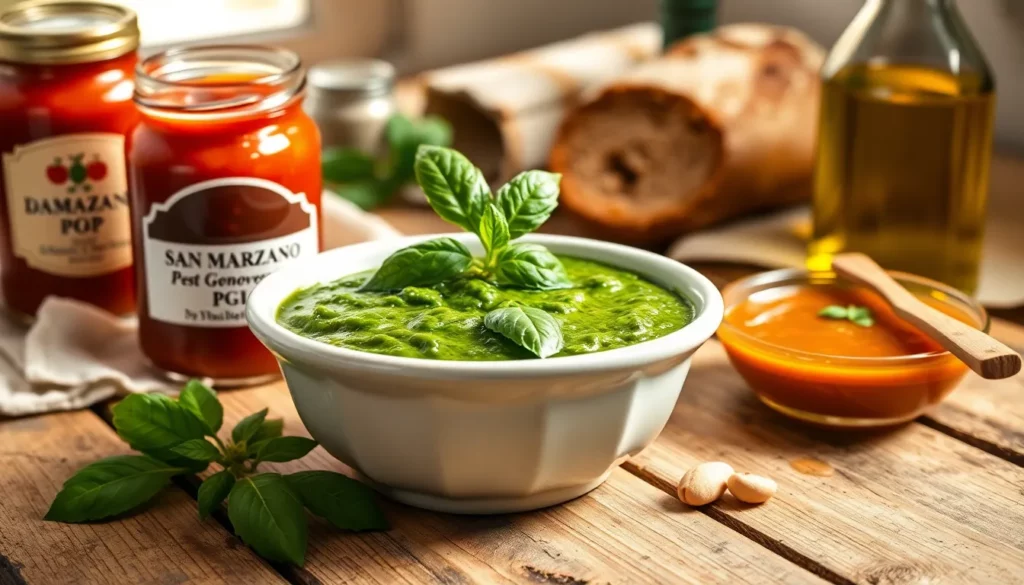
Several Italian salsas have earned DOP (Denominazione di Origine Protetta) or PGI (Indicazione Geografica Protetta) status, guaranteeing their origin, traditional method, and quality. For example, Pesto alla Genovese DOP must be made with specific varieties of basil from Liguria, while Ragù alla Bolognese is protected as a Traditional Specialty Guaranteed (TSG). Other sauces, like Salsa di Pomodoro di Parma, are seeking recognition. This regulatory framework ensures that authentic Italian salsa remains a living heritage.
Types & Grades
Italian salsas can be classified by base ingredient, texture, cooking method, and aging. The table below outlines the major categories and their key characteristics.
| Type | Base Ingredient | Region | Aging/Grade | DOP/PGI Status |
|---|---|---|---|---|
| Pesto alla Genovese | Basil, pine nuts, garlic, Parmigiano, olive oil | Liguria | Fresh (no aging) | DOP |
| Ragù alla Bolognese | Meat, tomato, wine, milk | Emilia-Romagna | Slow-cooked (2–4 hours) | TSG |
| Salsa di Pomodoro (Passata) | Tomatoes | Campania, Sicily | Fresh or bottled; no aging | PGI (for San Marzano tomatoes) |
| Salsa Verde | Parsley, capers, anchovies, vinegar | Piedmont, Lombardy | Fresh (no aging) | None |
| Salsa di Acciughe (Colatura) | Anchovies, salt | Campania (Cetara) | Aged 2–3 years | DOP (for anchovies) |
| Bagna Càuda | Garlic, anchovies, olive oil, butter | Piedmont | Warm emulsion; no aging | None |
| Salsa di Noci | Walnuts, bread, garlic, marjoram | Liguria | Fresh (no aging) | None |
Grades within a type often refer to ingredient quality (e.g., extra virgin olive oil vs. refined oil in pesto) or aging duration (e.g., colatura di alici aged 2 vs. 3 years). For tomato sauces, grades include passata (smooth), polpa (chunky), and concentrato (paste).
How It’s Used in Cooking
Italian salsas are rarely standalone; they are integral to the dish. Pesto alla Genovese is traditionally tossed with trofie or linguine, often with green beans and potatoes. Ragù alla Bolognese is the soul of tagliatelle al ragù and lasagne. Salsa di Pomodoro forms the base for countless pasta dishes, pizzas, and braises. Salsa Verde accompanies boiled meats (bollito misto) or grilled fish. Bagna Càuda is a warm dip for raw vegetables in Piedmontese tradition. Colatura di alici is used sparingly to add umami to pasta, soups, or salads.
“La salsa è l’anima del piatto” – The sauce is the soul of the dish. (Traditional Italian saying)
In professional kitchens, salsas are often prepared in large batches and used as building blocks. For example, a salsa di pomodoro may be enriched with soffritto, wine, or herbs to create a sugo for meat or fish. The versatility of Italian salsa lies in its ability to be layered: a simple passata can become a complex ragù with the addition of browned meat and long simmering.
How to Choose/Identify Authentic SALSA
When purchasing Italian salsa, look for these authenticity cues:
- DOP/PGI labels: For pesto, seek “Pesto alla Genovese DOP” on the jar. For tomato products, “Pomodoro San Marzano dell’Agro Sarnese-Nocerino PGI” ensures origin.
- Ingredient list: Authentic salsas have short, recognizable ingredients. Avoid added sugars, thickeners, or artificial colors. For example, real pesto contains basil, olive oil, pine nuts, garlic, salt, and Parmigiano-Reggiano or Grana Padano.
- Color and texture: Fresh pesto is bright green (not dark or brown). Tomato passata should be deep red and slightly thick, not watery. Ragù should be rich and meaty, not overly smooth.
- Packaging: Glass jars or bottles are preferred for premium salsas; cans may indicate lower quality. Look for “prodotto in Italia” and the producer’s address.
- Price: Authentic DOP pesto costs more due to protected basil varieties and traditional stone grinding. Extremely cheap jars likely use substitutes.
Substitutes
While no substitute perfectly replicates an authentic Italian salsa, these alternatives are used in Italian cooking when the original is unavailable:
- For Pesto alla Genovese: Pesto alla Siciliana (with tomatoes and almonds) or Pesto di Rucola (rocket-based). Both offer a similar fresh, herbaceous profile.
- For Ragù alla Bolognese: Ragù Napoletano (richer, with more tomato and sometimes pork) or a simple sugo di carne (meat sauce) made with ground beef and tomato passata.
- For Salsa Verde: Salsa di Prezzemolo e Capperi (parsley and caper sauce) or Gremolata (lemon zest, garlic, parsley) for a similar fresh, tangy kick.
- For Colatura di Alici: Garum (ancient Roman fish sauce) or a mix of anchovy paste and soy sauce for umami depth.
These substitutes maintain the spirit of Italian cooking while adapting to available ingredients.
Conclusion
Italian salsa is far more than a condiment—it is a reflection of terroir, tradition, and technique. From the protected basil of Liguria to the aged anchovies of Cetara, each sauce tells a story of its region. By understanding the types, production methods, and authenticity markers, cooks can elevate their dishes with genuine Italian flavors. Whether you choose a DOP pesto or a slow-simmered ragù, remember that the best salsa is made with respect for its origins.
FAQ
What is the difference between salsa and sugo in Italian cooking?
In Italian, 'salsa' is a general term for any sauce, while 'sugo' typically refers to a sauce that is cooked and often includes meat or vegetables, such as sugo di pomodoro or ragù. However, the terms are sometimes used interchangeably in everyday language.
Is all Italian pesto DOP certified?
No. Only 'Pesto alla Genovese' produced in the Liguria region according to strict traditional methods can carry the DOP label. Many commercial pestos use basil from other regions or substitute ingredients, and cannot legally be called DOP.
Can I substitute regular tomatoes for San Marzano in salsa di pomodoro?
Yes, but the result will differ. San Marzano tomatoes are prized for their low acidity, sweet flavor, and dense flesh, which yield a richer, smoother sauce. For authentic Italian taste, look for PGI-certified San Marzano tomatoes or use other plum tomato varieties.




Leave a Reply