
Short Answer
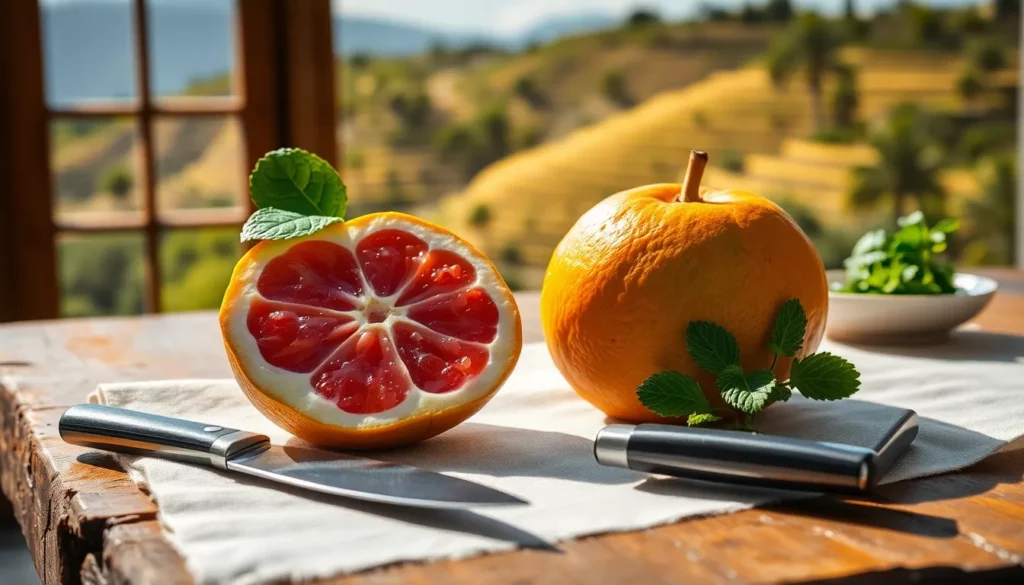
Pompelmo di Sicilia PGI is a protected geographical indication for grapefruits grown exclusively in the sun-drenched regions of Sicily, Italy. Recognized for its unique balance of sweetness and bitterness, this citrus fruit has been cultivated on the island since the Arab period and today stands as a symbol of Sicilian agricultural excellence. The PGI status, granted by the European Union in 2004, guarantees that every fruit bearing the label originates from designated areas in the provinces of Catania, Siracusa, and Ragusa, and adheres to strict production standards that preserve its distinctive organoleptic qualities.
What It Is
Pompelmo di Sicilia PGI is a grapefruit (Citrus paradisi) produced under the Indicazione Geografica Protetta (PGI) regime. The production method combines traditional Sicilian horticulture with modern quality controls. Trees are grown in well-drained volcanic or calcareous soils, often irrigated with local spring water. Harvesting occurs by hand from December to May, when the fruit reaches optimal sugar-acid balance. The PGI specification mandates minimum sugar content (Brix) and maximum acidity, ensuring a consistent flavor profile. The fruit is typically medium to large, with a thin, smooth rind that ranges from pale yellow to deep pink depending on the variety. The flesh is juicy, with a characteristic sweet-bitter taste that distinguishes it from other grapefruits.
Region of Origin
The designated production area covers the eastern and southern coasts of Sicily, particularly the plains around Catania, the slopes of Mount Etna, and the fertile valleys of Siracusa. The Mediterranean climate—mild winters, hot summers, and abundant sunshine—combined with the mineral-rich volcanic soil, imparts a unique complexity to the fruit. The PGI status protects this terroir-driven identity.
DOP/PGI Status
Pompelmo di Sicilia is registered as a PGI (Indicazione Geografica Protetta) under EU Regulation No. 2325/2004. This means that at least one stage of production, processing, or preparation takes place in the specific region. For this product, the entire cycle—cultivation, harvesting, sorting, and packing—must occur within the designated Sicilian provinces. The PGI logo and a traceability code appear on each fruit or package, guaranteeing authenticity.
Types & Grades
Pompelmo di Sicilia PGI is classified by flesh color and commercial grade. The two main types are white (bianco) and pink (rosso), each with specific cultivars.
| Type | Common Cultivars | Flesh Color | Flavor Profile | Typical Use |
|---|---|---|---|---|
| White (Bianco) | Marsh | Pale yellow | Mildly sweet, low bitterness | Fresh consumption, juice |
| Pink (Rosso) | Star Ruby, Ruby Red, Rio Red, Redblush | Deep pink to ruby red | Sweet with pronounced bitterness, rich aroma | Salads, desserts, cocktails |
Grades are determined by size (caliber), skin blemishes, and sugar content. Extra class fruits are flawless and of uniform size; Class I allows minor defects; Class II is for processing. Only Extra and Class I fruits may bear the PGI label for fresh sale.
How It’s Used in Cooking
Pompelmo di Sicilia is a versatile ingredient in both traditional and contemporary Italian cuisine. Its sweet-bitter profile adds depth to savory dishes, brightens seafood, and balances rich desserts.
Traditional Sicilian Dishes
- Insalata di Pompelmo e Finocchi – A refreshing salad of sliced grapefruit, fennel, red onion, and olive oil, often served with grilled fish.
- Pompelmo alla Griglia – Halved grapefruit grilled until caramelized, drizzled with honey and served with ricotta or gelato.
- Granita al Pompelmo – A semi-frozen dessert made with fresh juice, sugar, and water, typical of eastern Sicily.
- Gamberi al Pompelmo – Shrimp sautéed with garlic, white wine, and grapefruit segments, finished with fresh mint.
Modern Applications
Chefs use Pompelmo di Sicilia in ceviche, vinaigrettes, and as a natural tenderizer for meats. The zest is candied or used in pastries. In mixology, it is essential for the Negroni Sbagliato variation and the Palermo cocktail. The juice is also reduced to a syrup for glazes and sorbets.
“Il pompelmo di Sicilia è un frutto che sa di sole e di mare: la sua acidità dolce è il segreto della cucina siciliana.” — Chef Carmelo Floridia, Ristorante La Madia, Licata
How to Choose/Identify Authentic POMPELMO
To ensure you are purchasing genuine Pompelmo di Sicilia PGI, follow these guidelines:
- Look for the PGI logo – A yellow-and-blue label reading “Pompelmo di Sicilia I.G.P.” with a traceability code.
- Check the origin – The packaging must state “Prodotto in Sicilia” and list the specific province (Catania, Siracusa, or Ragusa).
- Examine the fruit – Authentic fruits have a thin, slightly glossy rind. White varieties are pale yellow; pink varieties show a rosy blush. The fruit should feel heavy for its size, indicating juiciness.
- Smell – A strong, fresh citrus aroma with floral notes is characteristic. Avoid fruits with a fermented or musty odor.
- Season – Peak season is January to April. Fruits sold outside this window may be imported or stored.
- Certified retailers – Purchase from specialty Italian grocers or online shops that explicitly mention the PGI designation.
Substitutes
When Pompelmo di Sicilia PGI is unavailable, these Italian alternatives can be used, though each alters the flavor profile:
- Arancia di Sicilia PGI (Sicilian Orange) – Sweeter and less bitter, suitable for salads and desserts. Use a mix of blood orange and a squeeze of lemon to mimic acidity.
- Limone di Sicilia PGI (Sicilian Lemon) – Provides high acidity and floral notes. Best in seafood dishes and granita, but lacks the bitterness of grapefruit.
- Cedro (Citron) – Used primarily for its fragrant zest. Can replace grapefruit zest in baked goods, but the flesh is too dry for fresh segments.
- Pompelmo Rosa (non-PGI pink grapefruit) – If from other Italian regions (e.g., Calabria), it may be similar but lacks the terroir guarantee. Check for “Prodotto in Italia” but not PGI.
For cocktails, a combination of orange juice and a dash of lemon juice with a pinch of quinine (or tonic water) can approximate the bitter-sweetness of grapefruit.
Conclusion
Pompelmo di Sicilia PGI is more than a fruit—it is a testament to Sicily’s rich agricultural heritage and a cornerstone of its cuisine. Its protected status ensures that every bite delivers the authentic taste of the island’s volcanic soils and Mediterranean sun. Whether enjoyed fresh, grilled, or in a granita, this grapefruit offers a unique sensory experience that elevates both traditional and modern dishes. By choosing the PGI label, you support sustainable farming and preserve a culinary tradition that has flourished for centuries.
FAQ
What is Pompelmo di Sicilia PGI?
Pompelmo di Sicilia PGI is a protected geographical indication for grapefruits grown in specific areas of Sicily, Italy. It is recognized for its sweet-bitter taste, thin rind, and juicy flesh, and must meet strict production standards to bear the PGI label.
How is Pompelmo di Sicilia different from regular grapefruit?
Unlike generic grapefruits, Pompelmo di Sicilia PGI is cultivated in a designated terroir (volcanic soils, Mediterranean climate) and follows traditional methods. It has a more balanced sugar-acid ratio, thinner skin, and a distinctive floral aroma. The PGI certification guarantees authenticity and traceability.
What are the best dishes to make with Pompelmo di Sicilia?
Traditional uses include Insalata di Pompelmo e Finocchi (grapefruit and fennel salad), Pompelmo alla Griglia (grilled grapefruit with honey), and Granita al Pompelmo. It also pairs well with seafood, in cocktails, and as a glaze for meats.
How should I store Pompelmo di Sicilia?
Store whole fruits at room temperature for up to a week, or in the refrigerator crisper drawer for up to three weeks. Cut segments should be kept in an airtight container in the fridge and used within two days.
Is Pompelmo di Sicilia organic?
Not all Pompelmo di Sicilia PGI is organic, but many producers follow integrated pest management. Look for additional 'Bio' certification on the label if you require organic produce.


Leave a Reply