

Short Answer
What It Is
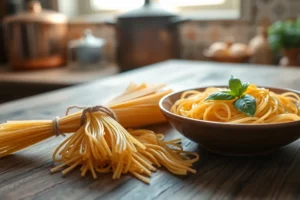
Tagliatelle is a traditional egg pasta from the Emilia-Romagna region of northern Italy. It is made from a dough of soft wheat flour (farina di grano tenero) and fresh eggs, rolled into thin sheets and cut into ribbons approximately 6–8 mm wide. Unlike dried pasta, fresh tagliatelle has a porous, slightly rough surface that clings to sauces, making it the ideal companion for hearty ragùs such as the classic Tagliatelle al Ragù (Bolognese sauce).
The pasta is deeply rooted in the culinary history of Bologna and the surrounding provinces. According to legend, tagliatelle was created in 1487 by a court chef named Zafiran to celebrate the marriage of Lucrezia Borgia and the Duke of Ferrara. While this story is likely apocryphal, it underscores the pasta’s long-standing association with aristocratic feasts. Today, the production of tagliatelle is protected under the Traditional Specialty Guaranteed (TSG) status in the European Union, and a specific variety, Tagliatelle di Campofilone, holds a Protected Geographical Indication (PGI) from the Marche region.
The key to authentic tagliatelle lies in its ingredients and technique. The dough must contain at least 4 eggs per kilogram of flour, and the pasta is typically rolled to a thickness of about 1 mm before being cut. The resulting ribbons are slightly porous, which allows them to absorb sauce while maintaining a firm, al dente bite.
Types & Grades
Tagliatelle is available in several forms, each suited to different culinary applications. The table below outlines the main categories:
| Type | Description | Typical Use |
|---|---|---|
| Fresh Tagliatelle | Made with fresh eggs and soft wheat flour; sold refrigerated or frozen. Has a tender, porous texture. | Classic Bolognese, mushroom sauces, butter and sage. |
| Dried Tagliatelle | Factory-produced using durum wheat semolina and water (or eggs). Longer shelf life, firmer texture. | Quick meals, lighter sauces, or when fresh is unavailable. |
| Egg Tagliatelle (all’uovo) | Contains at least 4 eggs per kg of flour; richer flavor and color. Often sold as fresh pasta. | Traditional ragù, carbonara variations, creamy sauces. |
| Whole Wheat Tagliatelle | Made with whole grain flour; nuttier flavor and higher fiber. | Health-conscious dishes, vegetable-based sauces. |
| Tagliatelle di Campofilone PGI | Extremely thin (0.5–0.7 mm) and made only with durum wheat semolina and eggs. Dried slowly for up to 48 hours. | Broths, delicate sauces, or simply with olive oil and cheese. |
Within the fresh category, artisanal producers often grade tagliatelle by thickness: tagliatelle fini (thin, about 1 mm) and tagliatelle larghe (wider, up to 10 mm). The width is not strictly regulated, but the classic Bolognese version is 6–8 mm.
How It’s Used in Cooking
Tagliatelle is a versatile pasta that shines in both simple and elaborate preparations. Its rough surface and ribbon shape make it ideal for capturing chunky or emulsified sauces.
Traditional Dishes
- Tagliatelle al Ragù alla Bolognese – The most iconic pairing. A slow-cooked meat sauce (beef, pork, pancetta, tomato, wine, milk) is spooned over fresh tagliatelle. The pasta’s porosity absorbs the ragù, creating a harmonious dish.
- Tagliatelle con Funghi – Sautéed wild mushrooms (porcini, chanterelles) with garlic, parsley, and a touch of cream or butter. The earthy flavors complement the eggy pasta.
- Tagliatelle al Burro e Salvia – A simple yet elegant preparation: melted butter, fresh sage leaves, and grated Parmigiano-Reggiano. The fat coats the ribbons without overwhelming them.
- Tagliatelle in Brodo – Thin tagliatelle (especially Campofilone) served in a clear meat or vegetable broth, often as a first course during holidays.
Professional Tips
Chefs recommend cooking fresh tagliatelle for only 2–3 minutes in salted boiling water, while dried versions require 6–8 minutes. Always reserve some pasta water to adjust sauce consistency. Because tagliatelle is delicate, toss it gently with the sauce rather than stirring vigorously.
How to Choose/Identify Authentic TAGLIATELLE
For commercial buyers and home cooks seeking genuine Italian tagliatelle, consider the following authenticity cues:
- Ingredient List: Authentic fresh tagliatelle should list soft wheat flour (or farina di grano tenero) and fresh eggs (at least 4 per kg). Dried versions may use durum wheat semolina, but the best quality includes eggs.
- Color: Fresh egg tagliatelle has a rich golden-yellow hue from the egg yolks. Pale or bright yellow may indicate artificial coloring (e.g., turmeric or beta-carotene).
- Texture: The surface should feel slightly rough, not slippery. A smooth, shiny surface suggests over-processing or lack of eggs.
- Packaging: Look for PGI or TSG labels. For Tagliatelle di Campofilone, the PGI logo guarantees origin and traditional method.
- Drying Method: Artisanal dried tagliatelle is slow-dried at low temperatures (below 50°C) to preserve flavor and texture. Industrial high-temperature drying can result in a brittle, less flavorful product.
- Width: Authentic Bolognese tagliatelle is 6–8 mm wide. If the pasta is much wider (e.g., 1 cm or more), it may be mislabeled as pappardelle.
“The true test of tagliatelle is its ability to hold a ragù without becoming mushy. A good tagliatella should be tender yet resilient, with a slight bite in the center.” – Italian pasta artisan, Massimo Bottura (paraphrased)
Substitutes
When tagliatelle is unavailable, several Italian pasta shapes can serve as substitutes, each with its own rationale:
- Fettuccine – Very similar in shape and texture, though slightly wider (about 10 mm). Fettuccine is also egg-based and works well with cream and cheese sauces. It is the closest substitute.
- Pappardelle – Much wider ribbons (2–3 cm). Best for hearty meat sauces or ragùs that need a broader surface. Use when you want a more substantial pasta.
- Spaghetti alla Chitarra – Square-cut spaghetti from Abruzzo, made with eggs. Its rough texture mimics tagliatelle’s sauce-holding ability. Ideal for tomato-based sauces.
- Lasagnette – Narrower than lasagna sheets but wider than tagliatelle. Can be used in baked dishes or with chunky sauces.
For gluten-free diets, rice-flour or corn-flour tagliatelle substitutes exist, but they lack the eggy richness and may require different cooking times.
Conclusion
Tagliatelle is more than a pasta shape; it is a symbol of Emilia-Romagna’s culinary heritage. Its egg-rich dough, precise cutting, and porous texture make it the perfect vehicle for slow-cooked ragùs and delicate sauces alike. Whether you choose fresh artisanal tagliatelle or a PGI-certified dried version, understanding its origins and production methods ensures you select a product that honors tradition. For chefs and home cooks, mastering tagliatelle means embracing the art of simplicity: quality ingredients, careful cooking, and respect for the pasta’s unique character.
FAQ
What is the difference between tagliatelle and fettuccine?
Tagliatelle is typically 6–8 mm wide and originates from Emilia-Romagna, while fettuccine is slightly wider (about 10 mm) and comes from Lazio. Both are egg-based, but fettuccine is often used with creamier sauces like Alfredo, whereas tagliatelle is paired with ragù.
Is tagliatelle gluten-free?
Traditional tagliatelle is made from wheat flour and eggs, so it contains gluten. However, gluten-free versions made from rice, corn, or legume flours are available as substitutes.
Can I use dried tagliatelle for Bolognese sauce?
Yes, dried tagliatelle can be used, but fresh tagliatelle is preferred for its porous texture that better absorbs the ragù. If using dried, cook it al dente and reserve pasta water to help bind the sauce.


Leave a Reply