
Short Answer
What It Is
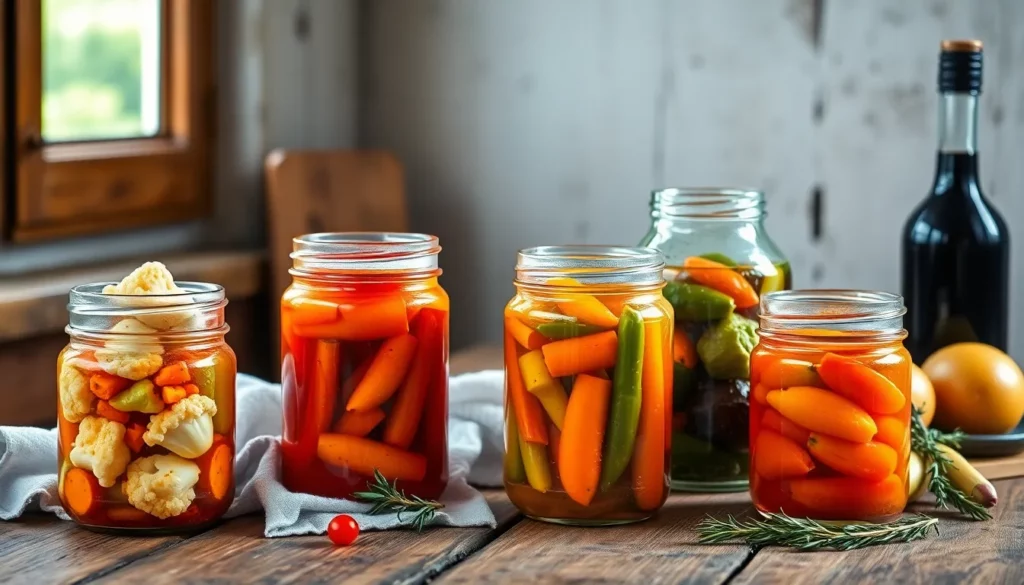
Sottaceto (literally “under vinegar”) is a traditional Italian method of preserving vegetables by immersing them in vinegar, often after a brief brining or fermentation. This technique dates back centuries, rooted in the need to extend the harvest through winter. The process typically involves blanching or salting vegetables to draw out moisture, then packing them in a solution of wine vinegar, salt, and aromatics such as garlic, bay leaves, peppercorns, and wild fennel. The result is a tangy, crisp condiment that brightens many dishes.
While sottaceto is practiced throughout Italy, it is especially prominent in the northern regions of Emilia-Romagna, Piedmont, and Lombardy, where vegetable gardens are abundant. There is no single DOP or PGI designation for the generic term “sottaceto,” but many artisanal producers use DOP-certified ingredients—such as Aceto Balsamico di Modena DOP or Olio Extravergine di Oliva DOP—in their recipes. Some regional specialties, like Giardiniera from Piedmont, are recognized as Traditional Agri-Food Products (PAT) by the Italian Ministry of Agricultural Policies.
“Sottaceto is the pantry’s silent guardian—a humble transformation of summer’s bounty into winter’s delight.” — Traditional Italian saying
Historically, every Italian household had its own recipe, passed down through generations. The method was codified by Pellegrino Artusi in his 1891 masterpiece Science in the Kitchen and the Art of Eating Well, where he devotes a chapter to preserving vegetables in vinegar. Today, sottaceto remains a cornerstone of Italian gastronomy, celebrated for its ability to add acidity, crunch, and complexity to meals.
Types & Grades
Sottaceto encompasses a wide range of products, from simple single-vegetable pickles to elaborate mixed assortments. The following table outlines the most common types, their typical vegetables, and regional origins.
| Type | Description | Typical Vegetables | Region |
|---|---|---|---|
| Giardiniera | Mixed pickled vegetables, often with a mild, slightly sweet brine | Cauliflower, carrots, bell peppers, celery, onions | Piedmont |
| Cipolline borettane | Small, flat onions pickled in sweet-sour vinegar (agrodolce) | Borettane onions | Emilia-Romagna |
| Peperoni in agrodolce | Sweet and sour pickled bell peppers, often with raisins and pine nuts | Bell peppers (red, yellow) | Southern Italy (Campania, Sicily) |
| Sottaceti misti | Mixed pickles, a generic term for assorted vegetables | Carrots, cauliflower, gherkins, pearl onions, green beans | Various (common in Emilia-Romagna) |
| Melanzane sottaceto | Pickled eggplant, often with garlic and mint | Eggplant | Southern Italy (Calabria, Puglia) |
Grades of sottaceto range from artisanal (small-batch, hand-cut, natural ingredients) to industrial (mass-produced, often with added preservatives and artificial flavors). Artisanal products typically use high-quality wine vinegar, sea salt, and fresh herbs, and are aged for at least two to four weeks to develop depth. Industrial versions may be ready in days and contain stabilizers or colorings.
How It’s Used in Cooking
Sottaceto is incredibly versatile in Italian cuisine. Its primary role is as an antipasto, served alongside cured meats, cheeses, and olives. It also functions as a condiment, cutting through the richness of fatty dishes. Here are traditional applications:
- Antipasti platters: Giardiniera and cipolline borettane are staples on the classic antipasto misto.
- Bollito misto: Giardiniera is the classic accompaniment to this boiled meat dish, providing acidity to balance the richness.
- Sandwiches and panini: Sottaceto adds crunch and tang to panino con porchetta or mortadella.
- Salads: Chopped sottaceto can be tossed into insalata di riso (rice salad) or insalata di pasta.
- Cheese boards: Pickled vegetables pair beautifully with aged pecorino or gorgonzola.
- Fish dishes: Peperoni in agrodolce is often served alongside grilled or fried fish in southern Italy.
Signature dishes that rely on sottaceto include Giardiniera con bollito misto (Piedmont), Cipolline borettane in agrodolce con arrosto (Emilia-Romagna), and Peperoni in agrodolce con baccalà (Campania).
How to Choose/Identify Authentic SOTTACETO
When shopping for sottaceto, whether online or in a specialty store, look for these authenticity cues:
- Labeling: The word “sottaceto” should appear prominently. Check for the specific type (e.g., “Giardiniera”) and region of origin.
- Ingredients: The list should be short: vegetables, wine vinegar, salt, and natural aromatics. Avoid products with added sugar, artificial preservatives (like sodium benzoate), or colorings.
- Packaging: Glass jars are preferred over plastic or metal, as they preserve flavor and allow you to see the product. The vegetables should be submerged in vinegar, not floating in a watery brine.
- Producer: Look for artisanal brands from the region of origin. Small producers often highlight their traditional methods and use of DOP ingredients (e.g., Aceto Balsamico di Modena DOP).
- Appearance: Vegetables should be crisp, brightly colored, and uniformly cut. Cloudy brine is natural in artisanal products; clear brine may indicate pasteurization or additives.
- Certifications: While no DOP exists for sottaceto, look for PAT (Traditional Agri-Food Product) labels or mentions of DOP ingredients. Some products may carry the “Prodotto Tradizionale” mark.
For the best quality, purchase from Italian specialty stores or directly from producers in regions like Emilia-Romagna or Piedmont. Avoid generic supermarket brands that often use low-quality vinegar and artificial flavors.
Substitutes
If you cannot find authentic sottaceto, several Italian substitutes can fill a similar role:
- Sott’olio (preserved in oil): Vegetables are blanched and packed in olive oil. Use sott’olio when you want a richer, less acidic flavor—ideal for antipasti or as a topping for bruschetta. It does not provide the same tangy kick as sottaceto.
- Sotto sale (preserved in salt): Vegetables are layered with coarse salt, which draws out moisture and preserves them. This method is common for capers and anchovies. Use sotto sale when you need intense salinity and a firmer texture, such as in pasta puttanesca.
- Agrodolce (sweet-sour sauce or pickles): A preparation of vegetables cooked with vinegar and sugar, often with raisins and pine nuts. It is a closer substitute for peperoni in agrodolce, but it is a cooked condiment rather than a raw pickle. Use agrodolce as a glaze for meats or a side for cheese.
- Other pickled vegetables: French cornichons or German sauerkraut can work in a pinch, but they lack the Italian herbaceousness. Use them only if you are not aiming for authentic Italian flavor.
Each substitute changes the dish’s character, so choose based on the recipe’s requirements. For a classic antipasto, sott’olio is the most common alternative, but for a bollito misto, nothing replaces giardiniera.
In summary, sottaceto is a vibrant expression of Italian culinary tradition—a simple yet profound way to capture the essence of vegetables in a jar. Whether you enjoy it as a snack, a condiment, or a centerpiece of an antipasto platter, understanding its types, uses, and authenticity markers will elevate your cooking and appreciation of Italian food.
FAQ
What is sottaceto?
Sottaceto is an Italian method of preserving vegetables in vinegar, often with salt and aromatics. The term literally means 'under vinegar.' It is used to make pickled vegetables like giardiniera and cipolline borettane, which are served as antipasti or condiments.
How long does sottaceto last?
Unopened, high-quality sottaceto can last up to one year when stored in a cool, dark place. Once opened, it should be refrigerated and consumed within two to three months for best flavor and texture.
Can I make sottaceto at home?
Yes, homemade sottaceto is simple and rewarding. Blanch or salt your chosen vegetables, pack them in a sterilized jar with wine vinegar, salt, and herbs (e.g., bay leaf, peppercorns, garlic), and let them age for at least two weeks. Many Italian cookbooks provide detailed recipes.
What is the difference between sottaceto and sott'olio?
Sottaceto preserves vegetables in vinegar, giving a tangy, acidic flavor. Sott'olio preserves them in olive oil, resulting in a richer, milder taste. Sott'olio is often used for antipasti, while sottaceto is preferred as a condiment for meats and cheeses.


Leave a Reply