
Short Answer
What It Is
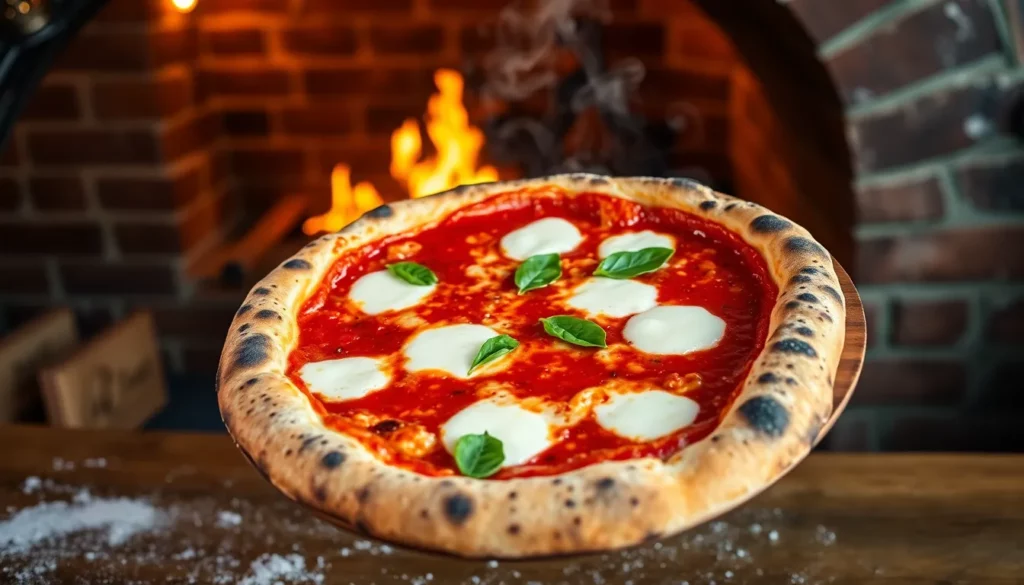
Pizza is a baked flatbread of Italian origin, typically topped with tomato sauce, cheese, and various other ingredients. Its modern form emerged in Naples in the 18th and 19th centuries, evolving from simple flatbreads of antiquity. The most iconic version, Pizza Margherita, was created in 1889 by pizzaiolo Raffaele Esposito to honor Queen Margherita of Savoy, using tomatoes, mozzarella, and basil to represent the colors of the Italian flag.
In 2017, UNESCO inscribed the Art of Neapolitan Pizzaiuolo on the Representative List of the Intangible Cultural Heritage of Humanity. The European Union also grants STG (Specialità Tradizionale Garantita) status to Pizza Napoletana, protecting its traditional production method. Authentic Neapolitan pizza must be made with specific ingredients: 00 flour, San Marzano tomatoes (DOP), Mozzarella di Bufala Campana DOP or Fiordilatte, fresh basil, extra-virgin olive oil, and sea salt. The dough is hand-kneaded, left to rise for at least 8 hours, and baked in a wood-fired oven at 485°C (905°F) for 60–90 seconds.
“Pizza is not just food; it is a ritual, a moment of sharing, and a symbol of Italian identity.” – Accademia della Pizza
Types & Grades
Pizza varies widely across Italy and the world. Below is a classification of the main traditional Italian styles, along with their key characteristics.
| Type | Region | Dough | Toppings | Baking |
|---|---|---|---|---|
| Pizza Napoletana (STG) | Campania | Soft, elastic, high hydration (60–65%) | San Marzano tomatoes, mozzarella, basil, olive oil | Wood-fired, 485°C, 60–90 sec |
| Pizza Romana (alla pala) | Lazio | Thin, crispy, rectangular | Varied, often simple (e.g., margherita, marinara) | Electric or wood oven, lower temp |
| Pizza al Taglio | Rome (modern) | Thick, airy, baked in large trays | Wide variety, sold by weight | Electric oven, 250–300°C |
| Pizza Siciliana (sfincione) | Sicily | Thick, spongy, often with sesame | Tomato, onions, anchovies, caciocavallo | Rectangular pan, moderate heat |
| Pizza Fritta | Naples | Same as Napoletana but deep-fried | Ricotta, salami, provola | Fried in olive oil |
Grades of pizza are often determined by the quality of ingredients. The highest grade is Pizza Napoletana STG, followed by artisanal pizzas using DOP ingredients. Commercial frozen pizzas represent the lowest grade, often using industrial dough and low-quality cheese.
How It’s Used in Cooking
Pizza is primarily a complete dish, but its components and leftovers have many culinary applications.
Traditional Italian Applications
- Pizza Margherita – The benchmark of Neapolitan pizza, eaten as a whole pie.
- Pizza Marinara – No cheese; tomato, garlic, oregano, olive oil – a classic Lenten option.
- Pizza Bianca – White pizza without tomato sauce, topped with mozzarella, ricotta, or vegetables.
- Calzone – Folded pizza, often stuffed with ricotta, ham, and mozzarella, then baked or fried.
- Pizza al Taglio – Served as street food, cut into rectangles, often reheated.
Creative Uses
- Pizza Croutons – Cubed leftover pizza crust, toasted and used in salads.
- Pizza Strata – A savory bread pudding made with leftover pizza layers.
- Pizza Sauce – The tomato base can be used as a pasta sauce or dipping sauce.
“In Naples, pizza is not a meal; it is a way of life.” – Traditional saying
How to Choose/Identify Authentic PIZZA
For commercial buyers (restaurateurs, retailers) and home cooks seeking authenticity, follow these cues:
- Look for STG certification – Only pizzerias that follow the strict disciplinary can label their pizza Pizza Napoletana STG. Check for the official logo.
- Check the crust – Authentic Neapolitan pizza has a soft, airy cornicione (edge) with slight charring (leopard spots). It should not be cracker-crisp.
- Ingredient provenance – San Marzano tomatoes (DOP), Mozzarella di Bufala Campana (DOP), 00 flour, and extra-virgin olive oil are non-negotiable for top quality.
- Baking method – A wood-fired oven reaching 485°C is essential for the characteristic texture. Electric ovens cannot replicate the same result.
- Texture and taste – The center should be soft and slightly soupy (the cuore), not dry. The balance of sweet tomato, creamy cheese, and fragrant basil is key.
- Price – Authentic ingredients and labor-intensive process mean a higher price. Extremely cheap pizza likely uses inferior products.
Substitutes
While nothing replaces authentic pizza, certain Italian alternatives can satisfy similar cravings or adapt to dietary needs:
- Focaccia – A thicker, oilier flatbread from Liguria, often topped with rosemary and salt. Use as a base for simple toppings.
- Piadina Romagnola – A thin, unleavened flatbread from Emilia-Romagna, typically filled with cured meats and cheese. A quick alternative to pizza.
- Calzone – Already mentioned, but it’s a direct substitute when you want a portable, stuffed version.
- Pizza di Pasqua – A savory Easter bread from Umbria, enriched with cheese and eggs, sometimes used as a pizza base.
- Gluten-free pizza bases – Made with rice flour or chickpea flour (e.g., farinata from Liguria) for those avoiding gluten.
Each substitute changes the texture and flavor profile, but they maintain an Italian soul.
Conclusion
Pizza is far more than fast food; it is a testament to Italian craftsmanship, regional pride, and culinary heritage. From the strict rules of Neapolitan STG to the creative variations found across the peninsula, understanding pizza’s authenticity and diversity enriches both the cook and the diner. Whether you are sourcing ingredients for a restaurant or simply seeking the perfect slice, let tradition guide your choice.
FAQ
What makes a pizza authentic Neapolitan?
Authentic Neapolitan pizza must follow the STG disciplinary: use 00 flour, San Marzano DOP tomatoes, Mozzarella di Bufala Campana DOP or fiordilatte, fresh basil, extra-virgin olive oil, and sea salt. The dough is hand-kneaded, rises for at least 8 hours, and is baked in a wood-fired oven at 485°C for 60–90 seconds. The crust should be soft and airy with leopard spots.
What is the difference between Pizza Napoletana and Pizza Romana?
Pizza Napoletana has a soft, thick cornicione and a thin, moist center, baked quickly at very high heat. Pizza Romana (or alla pala) has a thin, crispy crust, often rectangular, and is baked at lower temperatures. Roman pizza is typically more crunchy and less chewy.
Can I make authentic pizza at home without a wood-fired oven?
While a wood-fired oven is ideal, you can approximate Neapolitan pizza at home using a pizza stone or steel preheated to the highest possible temperature (250–300°C) and using the broiler to simulate top heat. The result will be different but still delicious. For true authenticity, consider a portable outdoor pizza oven that reaches 400°C+.

Leave a Reply