
Short Answer
What It Is
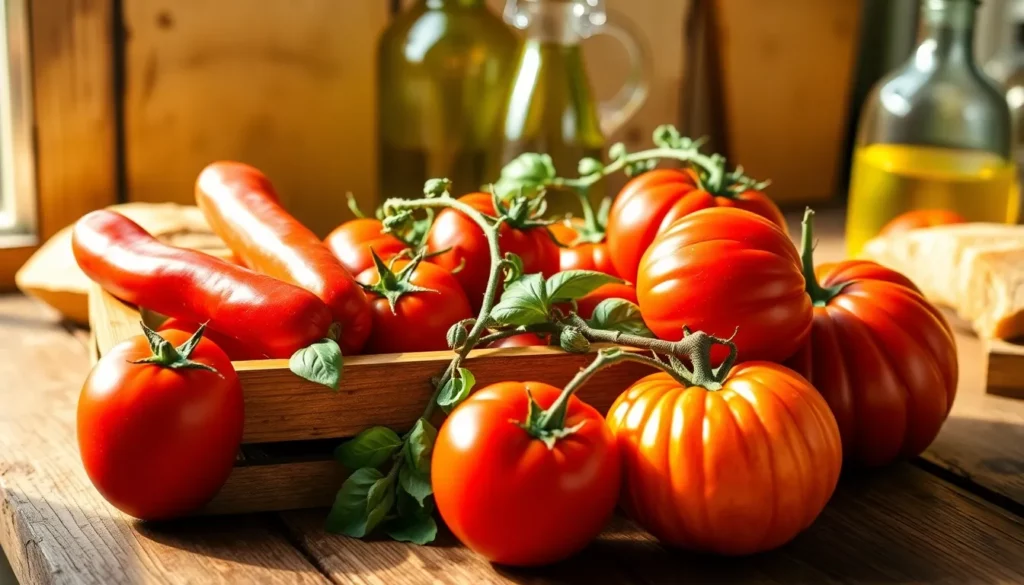
Tomatoes (Solanum lycopersicum) are the edible berries of the tomato plant, native to South America but central to Italian cuisine since their introduction in the 16th century. In Italy, tomatoes are cultivated under strict regulations for several Protected Designation of Origin (DOP) and Protected Geographical Indication (PGI) products. The most renowned include Pomodoro San Marzano dell’Agro Sarnese-Nocerino DOP (Campania), Pomodoro di Pachino IGP (Sicily), and Pomodoro di Sorrento IGP. These certifications guarantee the variety, cultivation area, and traditional production methods. Italian tomatoes are prized for their balanced sweetness, low acidity, dense flesh, and intense flavor, making them ideal for sauces, preserves, and fresh consumption.
Types & Grades
Italian tomatoes are classified by shape, size, and intended use. Below is a table of the most important commercial grades and their characteristics.
| Type | Shape & Size | Typical Use | DOP/IGP Examples |
|---|---|---|---|
| San Marzano | Elongated, plum-shaped, 60–80 g | Canning, sauces, passata | Pomodoro San Marzano dell’Agro Sarnese-Nocerino DOP |
| Pachino | Round, small to medium, 30–60 g | Fresh salads, bruschetta | Pomodoro di Pachino IGP |
| Cuore di Bue | Large, ribbed, heart-shaped | Fresh eating, stuffed | No DOP, but traditional variety |
| Costoluto Fiorentino | Flattened, deeply ribbed | Fresh, sauces | Traditional Tuscan variety |
| Datterino | Small, date-shaped, sweet | Fresh, salads, appetizers | No DOP, but popular |
| Piennolo del Vesuvio | Small, elongated, thick skin | Preserved hanging bunches | Pomodoro del Piennolo del Vesuvio DOP |
Grades also include industrial classifications: Pelati (peeled whole tomatoes), Passata (strained puree), Concentrato (tomato paste, double/triple concentrate), and Pomodori Secchi (sun-dried).
How It’s Used in Cooking
Italian tomatoes are the backbone of countless traditional dishes. Their versatility ranges from raw to cooked applications.
Fresh Uses
- Insalata Caprese: Sliced fresh mozzarella, basil, and ripe tomatoes, dressed with olive oil and salt.
- Bruschetta: Toasted bread rubbed with garlic, topped with diced tomatoes, basil, and olive oil.
- Panzanella: Tuscan bread salad with tomatoes, onions, cucumber, and basil.
Cooked Uses
- Sugo di Pomodoro: Simple tomato sauce with garlic, basil, and olive oil, used for pasta.
- Pizza Margherita: San Marzano tomatoes, mozzarella, and basil on a thin crust.
- Ragù alla Napoletana: Slow-cooked meat sauce with tomatoes, often served with pasta.
- Pappa al Pomodoro: Thick Tuscan bread and tomato soup.
- Conserva di Pomodoro: Home-canned whole or crushed tomatoes for winter use.
“The tomato is the sun of the Italian table.” – Traditional saying
How to Choose/Identify Authentic Tomatoes
When selecting Italian tomatoes, especially for DOP/PGI products, look for these authenticity cues:
- Labeling: Check for the official DOP or IGP logo and the consortium’s seal. For San Marzano DOP, the label must include the words “Pomodoro San Marzano dell’Agro Sarnese-Nocerino” and the EU DOP symbol.
- Variety: Authentic San Marzano tomatoes are elongated with a pointed tip, bright red color, and few seeds. They have a firm, meaty texture.
- Packaging: Canned San Marzano DOP tomatoes are typically sold in whole peeled form, packed in their own juice (not puree). The can should indicate the harvest year and the producer’s details.
- Price: Genuine DOP tomatoes are more expensive due to limited production and strict standards. If the price seems too low, it’s likely a generic substitute.
- Origin: For fresh tomatoes, look for “Pomodoro di Pachino IGP” or “Pomodoro di Sorrento IGP” labels. The fruit should have a uniform color, firmness, and a sweet aroma.
- Certification Numbers: Many DOP products have a unique lot number that can be traced back to the producer.
For commercial buyers, sourcing from reputable Italian importers or directly from consortia ensures authenticity. Avoid products labeled “San Marzano style” or “Italian-style” without the DOP mark.
Substitutes
If authentic Italian DOP tomatoes are unavailable, these Italian substitutes can be used, each with specific applications:
- Pomodoro di Sorrento IGP: Similar to San Marzano but slightly sweeter; ideal for fresh sauces and salads.
- Pomodoro di Pachino IGP: Small, sweet, and firm; excellent for fresh eating and light cooking.
- Pomodoro di Corbarino: A small, pear-shaped variety from Campania, used for preserves and sauces.
- Generic Italian Plum Tomatoes (Roma type): Widely available, good for sauces and canning, but lack the DOP guarantee.
- Piennolo del Vesuvio DOP: For long storage and intense flavor; used in sauces and as a condiment.
When substituting, adjust for acidity and sweetness. Non-Italian substitutes like California-grown Roma tomatoes can work in a pinch but will not replicate the authentic flavor profile.
Conclusion
Italian tomatoes, especially those with DOP and IGP certifications, represent a pinnacle of agricultural tradition and culinary excellence. Understanding their types, grades, and proper use elevates any dish from simple to sublime. Whether you are a home cook or a professional chef, choosing authentic Italian tomatoes ensures a taste of Italy’s sun-drenched fields in every bite.
FAQ
What is the difference between DOP and IGP tomatoes?
DOP (Protected Designation of Origin) requires that the entire production, processing, and preparation of the tomato takes place in a specific region using traditional methods. IGP (Protected Geographical Indication) requires that at least one stage of production occurs in the defined region, but the product is still linked to that area. DOP is stricter.
Are all San Marzano tomatoes DOP?
No. Only tomatoes grown in the designated area of the Agro Sarnese-Nocerino valley in Campania, from the San Marzano variety, and processed according to strict rules can carry the DOP label. Many tomatoes sold as 'San Marzano' are generic plum tomatoes.
Can I use canned tomatoes for fresh recipes?
Canned tomatoes are cooked and often have added salt or preservatives. For fresh recipes like Caprese or bruschetta, use fresh, ripe tomatoes. Canned tomatoes are best for sauces, stews, and cooked dishes.
How should I store fresh Italian tomatoes?
Store fresh tomatoes at room temperature, away from direct sunlight, and use within a few days. Refrigeration can damage texture and flavor. If they are very ripe, you can refrigerate but let them come to room temperature before eating.




Leave a Reply