
Short Answer
What It Is
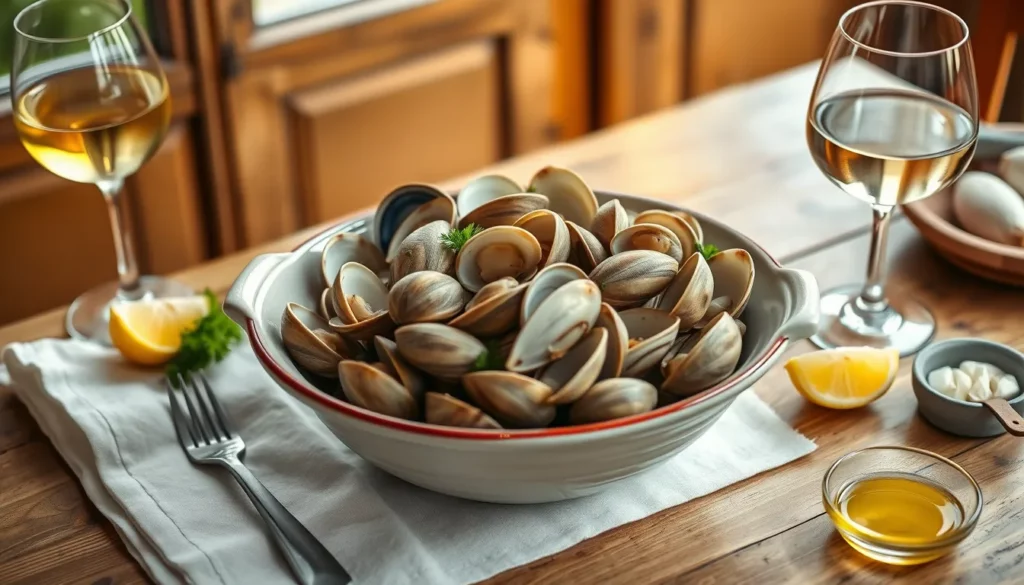
Vongole (pronounced VON-go-leh) are small, edible bivalve mollusks that form the backbone of Italian coastal cookery. In Italian culinary terminology, the word refers specifically to the two most commercially important species: the native Vongola verace (Ruditapes decussatus) and the introduced Vongola filippina (Ruditapes philippinarum), also known as the Manila clam. While the native species once dominated the Adriatic and Tyrrhenian coasts, overfishing and disease led to the introduction of the hardier Manila clam in the 1980s. Today, the vast majority of Italian vongole production comes from aquaculture farms in the Po Delta, particularly around the lagoon of Chioggia in Veneto.
The production method is a blend of tradition and science. Farmers sow juvenile clams (seed) onto prepared seabeds in shallow, sheltered coastal waters. The clams grow naturally, filtering plankton, and are harvested after 12–24 months when they reach a market size of 2–3 cm. The Vongola di Chioggia has been awarded PGI (Protected Geographical Indication) status by the European Union, guaranteeing that the clams are farmed, harvested, and processed within the defined area of the Venetian Lagoon and the Po Delta. This certification ensures traceability and a product that meets strict quality standards, including a minimum meat yield and a characteristic briny-sweet flavor.
Historically, vongole have been a staple of Italian coastal communities since Roman times, as evidenced by archaeological finds of clam shells in ancient Pompeii. However, the modern vongole industry is a relatively recent phenomenon, driven by the success of aquaculture in the 1980s. Today, Italy produces over 50,000 tonnes of vongole annually, making it one of the largest clam producers in Europe.
Types & Grades
Vongole are classified by species, size, and origin. The table below outlines the primary types encountered in Italian markets and restaurants.
| Type | Scientific Name | Origin | Size | Flavor Profile | Best Use |
|---|---|---|---|---|---|
| Vongola verace (native) | Ruditapes decussatus | Adriatic, Tyrrhenian coasts | 2–4 cm | Intense brininess, firm texture | Spaghetti alle vongole, raw on ice |
| Vongola filippina (Manila) | Ruditapes philippinarum | Po Delta, Chioggia (farmed) | 2–3 cm | Sweet, delicate, less briny | Zuppa di vongole, risotto |
| Vongola lupino | Donax trunculus | Mediterranean beaches | 1–2 cm | Very sweet, tender | Frittura, pasta sauces |
| Vongola di mare (sea clam) | Venus gallina | Adriatic Sea | 3–5 cm | Mild, slightly chewy | Stews, soups |
Grading is based on shell length, with common categories:
- Extra small (1–2 cm) – often used whole in frittura or as a garnish.
- Small (2–3 cm) – the standard size for pasta dishes.
- Medium (3–4 cm) – ideal for zuppa or grilling.
- Large (4+ cm) – usually reserved for stuffed preparations or as a main course.
Within the PGI designation, Vongola di Chioggia is further classified by size: piccola (small), media (medium), and grossa (large). Only clams that meet the PGI specifications can bear the official logo.
How It’s Used in Cooking
Vongole are prized for their ability to release a savory, briny liquor that forms the base of many iconic Italian dishes. The most famous is Spaghetti alle vongole, a Neapolitan classic that comes in two versions: in bianco (white, with garlic, olive oil, white wine, and parsley) and rosso (red, with tomato). The key is to cook the clams quickly over high heat until they open, then toss the pasta in the released juices.
“The soul of spaghetti alle vongole is the clam liquor – it should be the star, not the tomato.” – Gennaro Contaldo, Italian chef
Other traditional preparations include:
- Zuppa di vongole – a brothy soup with garlic, white wine, tomatoes, and crusty bread.
- Frittura di vongole – small clams dusted in flour and deep-fried until golden, served with lemon.
- Risotto alle vongole – a creamy risotto where the clam juice replaces some of the stock.
- Vongole gratinate – clams topped with breadcrumbs, garlic, and parsley, then baked.
In professional kitchens, vongole are often used to add umami depth to seafood stocks and sauces. The shells can be saved and ground for use in garden fertilizer or as a calcium supplement for poultry – a nod to the zero-waste philosophy of Italian cucina povera.
How to Choose/Identify Authentic VONGOLE
Selecting authentic, high-quality vongole is essential for achieving the best flavor. Follow these practical tips:
- Check the shells: They should be tightly closed or close when tapped. Open shells that do not close indicate dead clams – discard them.
- Smell: Fresh vongole have a clean, oceanic scent. Any off-putting or ammonia-like odor means they are past their prime.
- Look for the PGI label: Authentic Vongola di Chioggia will carry the official PGI logo and a lot number. This guarantees origin and quality.
- Ask about provenance: Reputable fishmongers will know whether the clams are farmed in the Po Delta or imported. Italian vongole are generally superior in flavor and texture.
- Check the harvest date: Vongole are best consumed within 2–3 days of harvest. Look for a date on the packaging or ask your supplier.
- Size consistency: For pasta dishes, choose clams of uniform size to ensure even cooking.
When buying from a market, avoid clams with cracked or damaged shells, as these may have been contaminated by sand or bacteria. If purchasing pre-packaged vongole, ensure the bag is not bloated – a sign of spoilage.
Substitutes
If authentic vongole are unavailable, several Italian substitutes can be used, each with its own character:
- Cozze (mussels) – The most common substitute. Mussels have a similar briny flavor but a softer texture. They work well in zuppa and risotto, though they release more liquid.
- Telline (small clams) – These tiny clams (Donax trunculus) are even smaller than vongole lupino and have a very sweet, tender meat. They are excellent in pasta dishes but require careful cleaning.
- Canestrelli (scallops) – For a more luxurious alternative, use small bay scallops. They lack the briny liquor but add a sweet, buttery note. Best in risotto or frittura.
- Vongole veraci (native clams) – If you can find them, these are the closest substitute for Manila clams, though they are often more expensive and less available.
When substituting, adjust cooking times and liquid levels accordingly. Mussels, for example, need a few extra minutes to open, while scallops cook very quickly.
In conclusion, vongole are a cornerstone of Italian seafood cuisine, offering a unique combination of briny flavor, tender texture, and culinary versatility. Whether you are preparing a classic spaghetti alle vongole or experimenting with a modern risotto, choosing authentic, high-quality clams is the first step to success. Remember to look for the PGI label, buy from trusted sources, and always cook with respect for the ingredient’s natural liquor. Buon appetito!
FAQ
What is the difference between vongole and other clams?
Vongole specifically refer to small clams used in Italian cuisine, primarily the Manila clam (Ruditapes philippinarum) and the native European clam (Ruditapes decussatus). They are smaller and more delicate than larger clams like littlenecks or cherrystones, with a sweeter, brinier flavor.
How do you clean vongole properly?
Place the clams in a bowl of cold salted water (about 30g salt per liter) and let them soak for 30–60 minutes. This encourages them to expel sand. Rinse under cold water and discard any clams that remain open after tapping. Repeat if necessary.
Can you eat vongole raw?
Yes, but only if they are extremely fresh and from a trusted source. Native vongole verace are sometimes served raw on ice with lemon. However, due to the risk of bacteria, it is generally recommended to cook vongole, especially for vulnerable individuals.
Leave a Reply