
Short Answer
What It Is
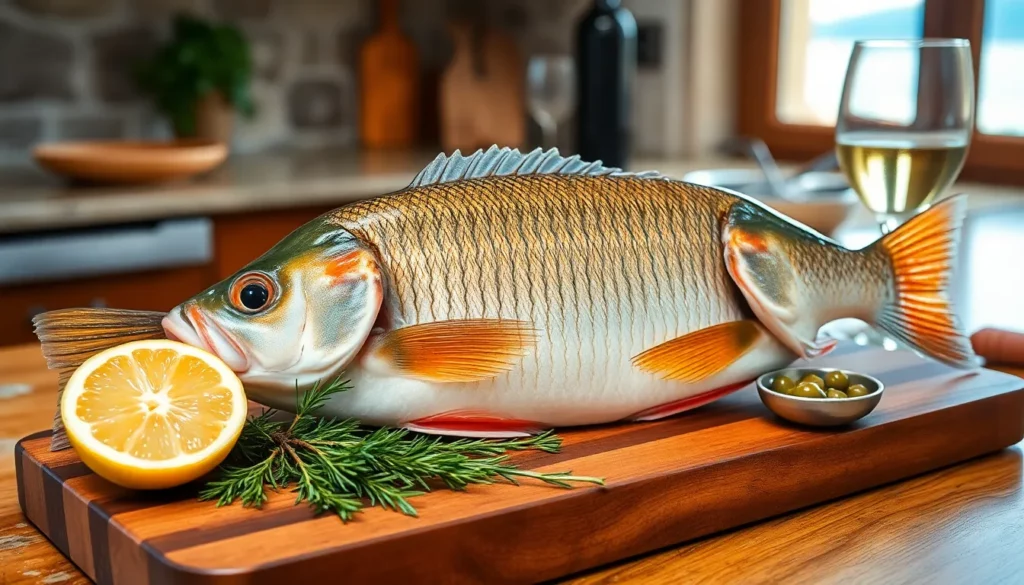
Persico (Perca fluviatilis) is the Italian name for the European perch, but in culinary terms it specifically refers to the Persico del Garda IGP – a protected geographical indication product from the waters of Lake Garda, straddling the Lombardy and Veneto regions of northern Italy. This designation, granted by the European Union, guarantees that the fish is caught or farmed within the lake’s basin according to traditional methods that preserve its unique organoleptic qualities.
The history of Persico in Lake Garda dates back centuries. The lake’s deep, cold, and oxygen-rich waters provide an ideal habitat for perch, which have been a staple of local cuisine since Roman times. Historical records from the 16th century mention the trade of Persico to the courts of Mantua and Verona. Today, the Consorzio di Tutela del Persico del Garda oversees the IGP certification, ensuring that every fish meets strict standards of size, freshness, and traceability.
The production method involves either wild capture using traditional “bertovelli” (fyke nets) or sustainable aquaculture in floating cages that mimic natural conditions. The fish are fed a diet of small crustaceans and insects, which gives the flesh its characteristic white color and delicate, slightly sweet flavor. The IGP status also mandates that Persico must be processed within 24 hours of capture to maintain peak quality.
Types & Grades
Persico is classified primarily by size and age, which influence its culinary use and market price. The following table outlines the main grades recognized by the Consorzio:
| Grade | Weight Range | Typical Age | Best Culinary Use |
|---|---|---|---|
| Persico Piccolo | 100–200 g | 1–2 years | Frying, whole grilling, or in brodetto |
| Persico Medio | 200–400 g | 2–3 years | Pan-searing, baking, or in carpione |
| Persico Grande | 400–800 g | 3–5 years | Roasting, poaching, or filleted for elegant dishes |
| Persico Extra | 800 g+ | 5+ years | Special occasions, whole baked or stuffed |
In addition to size, Persico is also categorized by its origin: “Persico di Lago” (wild-caught) and “Persico di Allevamento” (farmed). Both can carry the IGP label if they meet the production standards. Wild Persico tends to have a firmer texture and more pronounced flavor due to its natural diet, while farmed Persico is milder and more consistent in size.
How It’s Used in Cooking
Persico is a versatile fish that shines in both traditional and modern Italian cuisine. Its firm, flaky white flesh holds up well to various cooking methods, and its mild flavor pairs beautifully with herbs, citrus, and light sauces.
Traditional Dishes
- Persico in Carpione – A classic preparation from the Lake Garda region, where the fish is lightly floured, fried, and then marinated in a mixture of vinegar, white wine, onions, sage, and juniper berries. Served cold as an antipasto or main course.
- Brodetto di Persico – A delicate fish stew made with tomatoes, garlic, parsley, and a splash of white wine, often accompanied by polenta or crusty bread.
- Persico al Forno – Whole baked Persico with potatoes, rosemary, and lemon, drizzled with extra virgin olive oil.
- Filetti di Persico alla Griglia – Grilled fillets marinated in olive oil, lemon, and thyme, served with a side of sautéed greens.
Modern Applications
Chefs also use Persico in ceviche, tartare, or as a topping for pasta. The fish’s delicate flavor makes it an excellent canvas for light vinaigrettes or beurre blanc. In fine dining, Persico is often paired with seasonal vegetables like asparagus, artichokes, or fennel.
“Il Persico del Garda è un tesoro del nostro lago: la sua carne bianca e soda racconta la purezza dell’acqua e la tradizione dei pescatori.” – Chef Giancarlo Morelli, Ristorante Al Pescatore, Sirmione
How to Choose/Identify Authentic Persico
When purchasing Persico, look for the following authenticity cues to ensure you are getting the genuine IGP product:
- Labeling: Authentic Persico del Garda IGP will bear the EU PGI logo and the Consorzio’s seal. The label should include the producer’s name, lot number, and catch date.
- Appearance: Fresh Persico has bright, clear eyes, red gills, and firm flesh that springs back when pressed. The skin should be shiny with a distinct dark greenish-brown back and lighter sides with vertical bars.
- Smell: It should have a clean, slightly sweet scent of fresh water, not overly fishy or ammonia-like.
- Size: IGP Persico typically ranges from 150 g to 1 kg. Extremely large specimens (over 1.5 kg) are rare and may not be IGP.
- Source: Buy from reputable fishmongers or online retailers that specialize in Italian IGP products. Ask for the certificate of origin if in doubt.
For commercial kitchens, building a relationship with a certified supplier ensures consistent quality and traceability. The Consorzio di Tutela del Persico del Garda provides a list of authorized producers on its website.
Substitutes
If Persico is unavailable, several Italian fish can serve as substitutes, though they will impart different flavor profiles:
- Luccio (Pike) – Another freshwater fish from northern Italian lakes, with a firmer texture and slightly stronger flavor. Best used in stews or terrines.
- Coregone (Whitefish) – A delicate, flaky fish from the Alpine lakes, similar in texture to Persico but with a milder taste. Ideal for frying or baking.
- Trota (Trout) – Especially lake trout or rainbow trout, which have a similar fat content and can be used in carpione or grilled preparations.
- Spigola (Sea Bass) – For a saltwater alternative, sea bass offers a comparable firmness and mild flavor, though it lacks the freshwater nuance of Persico.
When substituting, adjust cooking times and seasoning to match the substitute’s characteristics. For example, pike may require longer marination to tenderize, while trout can be used interchangeably in most recipes.
In conclusion, Persico del Garda IGP is a cornerstone of Lake Garda’s culinary heritage, prized for its quality and versatility. Whether enjoyed in a traditional carpione or a modern ceviche, this fish embodies the purity of its alpine lake environment. By choosing authentic IGP Persico, you support sustainable fishing practices and preserve a centuries-old tradition.
FAQ
What is Persico?
Persico is the Italian name for the European perch (Perca fluviatilis), specifically referring to the IGP-certified fish from Lake Garda. It is prized for its firm, white flesh and delicate flavor.
How is Persico del Garda IGP different from regular perch?
Persico del Garda IGP must be caught or farmed in Lake Garda according to strict traditional methods, ensuring traceability, freshness, and unique organoleptic qualities. Regular perch may come from other waters and lacks the certification guarantees.
What are the best ways to cook Persico?
Persico is versatile: it can be fried for carpione, grilled with herbs, baked whole with potatoes, or used in a light brodetto. Its mild flavor pairs well with lemon, white wine, and fresh herbs.
Can I substitute Persico with other fish?
Yes, suitable Italian substitutes include coregone (whitefish), trota (trout), luccio (pike), or spigola (sea bass). Each has a different flavor and texture, so adjust cooking methods accordingly.
Where can I buy authentic Persico del Garda IGP?
Authentic Persico can be purchased from certified fishmongers in the Lake Garda region, online retailers specializing in Italian IGP products, or directly from producers listed on the Consorzio’s website.

Leave a Reply