
Short Answer
What Is Zucchini? Italian Summer Squash Explained
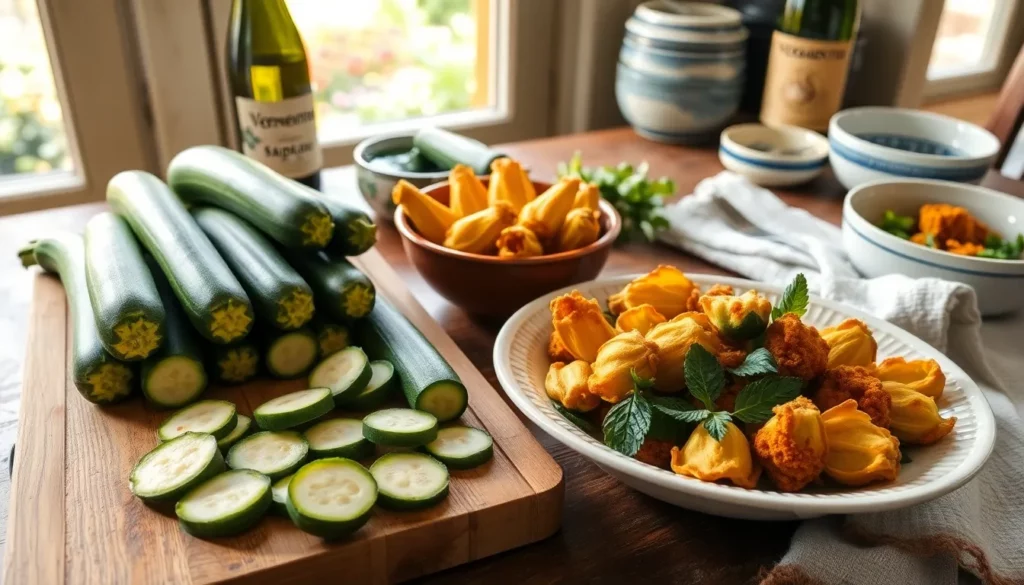
Zucchini, the immature fruit of Cucurbita pepo, is a summer squash that holds a cherished place in Italian cuisine. Known in Italy as zucchino (plural zucchini), it is harvested before full maturity, giving it a tender skin and mild flavor. Originating in the Americas, zucchini was introduced to Europe in the 16th century and became a cornerstone of Italian cooking, particularly in the regions of Liguria, Campania, and Sicily. Its versatility allows it to be eaten raw, grilled, fried, stuffed, or baked, making it a key ingredient in dishes from frittata di zucchine to zucchine alla scapece.
Origin & History
Zucchini’s journey to Italy began after Christopher Columbus brought squash seeds from the New World. However, the modern zucchini as we know it was developed in 19th-century Italy, specifically in the Lombardy region. The word zucchino derives from the Italian zucca (gourd), with the diminutive suffix -ino indicating its small size. Early Italian farmers selectively bred squash plants to produce fruits that were tender and quick to mature, ideal for the Mediterranean climate. By the early 20th century, zucchini had spread throughout the peninsula, becoming a symbol of summer abundance. Anecdotes from Italian cookbooks of the 1930s, such as Ada Boni’s Il Talismano della Felicità, already feature recipes for stuffed zucchini and fried zucchini blossoms, cementing its role in domestic and regional cuisine.
What’s In It
Zucchini is composed of over 90% water, making it low in calories but rich in vitamins A and C, potassium, and dietary fiber. The entire fruit is edible, including the skin, seeds, and flowers. Preparation nuances vary: for frying, zucchini is often sliced into rounds or sticks, salted to draw out moisture, then dredged in flour or semolina. For stuffing, larger zucchini are hollowed out and filled with mixtures of breadcrumbs, cheese, herbs, and sometimes meat. Unlike similar-sounding Italian dishes such as melanzane alla parmigiana (eggplant Parmesan), zucchini dishes emphasize the vegetable’s delicate texture and ability to absorb flavors without overwhelming them. The blossoms (fiori di zucca) are a prized delicacy, often stuffed with mozzarella and anchovies, then battered and fried.
Regional Variations
Zucchini is prepared differently across Italy, reflecting local tastes and traditions. Below is a comparison of three major regional styles:
| Region | Typical Dish | Preparation | Key Ingredients |
|---|---|---|---|
| Liguria | Zucchine alla ligure | Sliced and sautéed with garlic, olive oil, and basil; often served as a contorno | Basil, pine nuts, Parmigiano-Reggiano |
| Campania | Zucchine alla scapece | Fried zucchini marinated in vinegar, garlic, and mint | White wine vinegar, fresh mint, garlic |
| Sicily | Zucchine ripiene | Hollowed zucchini stuffed with breadcrumbs, caciocavallo cheese, and herbs, then baked | Caciocavallo, breadcrumbs, parsley, tomato sauce |
In Rome, zucchini is often simply grilled and dressed with olive oil and lemon, while in Tuscany, it appears in ribollita soup. The northern regions favor delicate preparations, while the south embraces bold flavors like vinegar and capers.
How It’s Traditionally Eaten
In Italian meals, zucchini typically appears as a contorno (side dish) or as part of a secondo (main course) when stuffed. It is rarely served as a primo (first course) on its own, though it may be added to pasta or risotto. Zucchini fritti are a popular antipasto or street food, especially in Rome and Naples. The blossoms are a seasonal treat, often enjoyed as a starter. Zucchini is an everyday vegetable, but its peak season from June to September sees it featured in summer feasts and festivals, such as the Sagra della Zucchina in Lombardy. Pairings include light white wines like Vermentino or a crisp Pinot Grigio.
Common Mistakes / What It’s Not
A frequent American-Italian misconception is that zucchini must be peeled or seeded before cooking. In authentic Italian cuisine, the skin is left on for texture and nutrients, and the seeds are only removed if the zucchini is very large and tough. Another error is overcooking: zucchini should be cooked quickly to retain its slight crunch; soggy, mushy zucchini is a sign of poor technique. Zucchini is not a substitute for cucumber in Italian dishes—cucumbers are eaten raw in salads, while zucchini is almost always cooked. Additionally, the term zucchini in Italy refers specifically to the green variety; yellow squash is called zucchina gialla and is treated differently. Avoid confusing zucchini with courgette (the French term) or summer squash (a broader category).
Where to Try It / What to Order
For an authentic experience, visit a trattoria in Rome and order zucchine alla scapece as a side. In Liguria, seek out zucchine ripiene at a family-run osteria in Genoa. Sicily’s street markets offer fried zucchini blossoms (fiori di zucca fritti) as a snack. Travelers should look for seasonal menus in June–September, when zucchini is at its peak. At a restaurant, ask for contorno di zucchine to sample the local preparation. For a hands-on experience, attend the Sagra della Zucchina in Casalmaggiore (Lombardy) or the Festa della Zucchina in Cervia (Emilia-Romagna).
Related Dishes
FAQ
Is zucchini a fruit or a vegetable?
Botanically, zucchini is a fruit because it develops from the flower of the plant and contains seeds. However, it is culinarily treated as a vegetable.
Do you need to peel zucchini before cooking?
No, the skin is tender and edible. Peeling is unnecessary and removes nutrients and texture. Only very large, tough zucchini may benefit from peeling.
What is the difference between zucchini and courgette?
There is no botanical difference; 'courgette' is the French and British term, while 'zucchini' is the Italian and American term. Both refer to the same vegetable.
Can you eat zucchini raw?
Yes, young zucchini can be eaten raw in salads or as crudités. Their mild flavor and crisp texture make them a refreshing addition.
What is the best way to cook zucchini to avoid sogginess?
To avoid sogginess, salt sliced zucchini and let it sit for 15 minutes to draw out moisture, then pat dry. Cook quickly over high heat (grill, sauté, or fry) and avoid overcrowding the pan.
Leave a Reply