
Short Answer
What Is Lampreda? Italian Fish Dish Explained
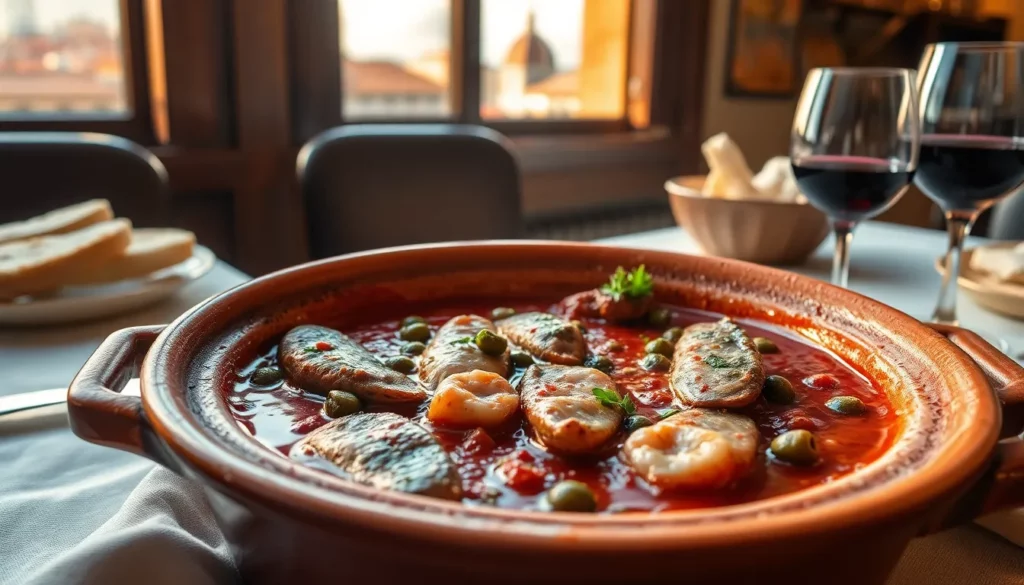
Lampreda is a traditional Italian dish from Tuscany, specifically Florence, made from lamprey—a jawless, eel-like fish that has existed for over 360 million years. The dish is typically prepared by stewing the lamprey in a rich sauce of red wine, onions, tomatoes, capers, and herbs, or sometimes fried. Lampreda is a rare and historic delicacy, deeply rooted in Florentine culinary heritage, and is most commonly served as a secondo (main course) during special occasions.
Origin & History
Lampreda originates from Florence, Tuscany, and its history dates back to the Renaissance period, when lamprey was prized by the Medici family and other wealthy nobles. The fish was abundant in the Arno River, which flows through Florence, and was considered a symbol of status due to its rich flavor and rarity. Historical records from the 15th century mention lamprey being served at lavish banquets, often cooked in wine and spices. Over time, the dish became a staple of Florentine cuisine, though its popularity waned as lamprey populations declined due to river pollution and overfishing. Today, Lampreda is a protected traditional food (PAT) in Tuscany, and efforts are made to preserve its authentic preparation.
What’s In It
The core ingredients of Lampreda include fresh lamprey, red wine (typically Chianti), onions, tomatoes, garlic, capers, anchovies, parsley, and olive oil. Some variations add pine nuts, raisins, or bitter chocolate for depth. The lamprey is cleaned, cut into pieces, and marinated in wine before being slowly stewed with the other ingredients. The dish is distinct from similar-sounding Italian dishes like lampredotto (a tripe sandwich) or anguilla (eel), as lamprey has a unique texture—firm yet tender—and a slightly sweet, earthy flavor. The sauce is often thickened with breadcrumbs or flour.
Regional Variations
While Lampreda is quintessentially Tuscan, variations exist within the region and in neighboring areas. Below is a comparison of how the dish differs across three key locations:
| Region | Key Differences | Notable Ingredients |
|---|---|---|
| Florence (Tuscany) | Classic preparation with Chianti wine, tomatoes, and capers; often served with polenta or bread. | Red wine, capers, anchovies, garlic |
| Siena (Tuscany) | Uses a sweeter sauce with raisins and pine nuts; less tomato. | Raisins, pine nuts, cinnamon |
| Lazio (Rome) | Lamprey is sometimes fried and served with a lemon-caper sauce, influenced by Jewish-Roman cuisine. | Lemon, capers, olive oil |
In Umbria, lamprey is occasionally prepared in umido with wild fennel and black olives, reflecting the region’s rustic style.
How It’s Traditionally Eaten
Lampreda is served as a secondo (main course) after a pasta or soup primo. It is often accompanied by polenta or crusty bread to soak up the rich sauce. The dish is typically reserved for festive occasions such as Christmas Eve, Easter, or local festivals like the Festa della Lampreda in Florence. It is rarely eaten as an everyday meal due to the scarcity of lamprey and the labor-intensive preparation. Wine pairings include a robust Chianti Classico or a Vernaccia di San Gimignano.
Common Mistakes / What It’s Not
A frequent misconception, especially among American-Italian diners, is confusing Lampreda with Lampredotto. Lampredotto is a Florentine street food made from cow’s tripe, not lamprey. Another mistake is assuming Lampreda is a pasta dish—it is purely a fish preparation. Additionally, some recipes substitute eel for lamprey, but true Lampreda must use lamprey to be authentic. The dish is not fried in the traditional Florentine version, though frying is a Roman variation. To avoid errors, always verify the restaurant’s preparation and ask if the lamprey is fresh and locally sourced.
Where to Try It / What to Order
To experience authentic Lampreda, visit traditional trattorias in Florence, such as Trattoria Mario (Via Rosina 2) or Cibrèo (Via de’ Macci 118r), which serve it during lamprey season (typically spring). In Siena, try Osteria Le Logge for the sweetened version. For a festival experience, attend the Festa della Lampreda in Florence’s Oltrarno district, usually held in May. When ordering, ask for Lampreda in umido (stewed) and specify a preference for the traditional Florentine recipe. Pair with a glass of Chianti and finish with a slice of cantuccini.
Related Dishes
FAQ
What is Lampreda?
Lampreda is a traditional Tuscan dish made from lamprey, a prehistoric fish, typically stewed in red wine with onions, tomatoes, capers, and herbs. It is a rare delicacy from Florence.
How is Lampreda prepared?
The lamprey is cleaned, cut into pieces, marinated in red wine, then slowly stewed with garlic, anchovies, capers, and tomatoes. Some variations add raisins or pine nuts. It is served as a main course with polenta or bread.
Where can I try Lampreda?
Authentic Lampreda is found in traditional trattorias in Florence, such as Trattoria Mario or Cibrèo, especially during spring. It is also served at the Festa della Lampreda in May.
Is Lampreda the same as Lampredotto?
No. Lampredotto is a Florentine sandwich made from cow's tripe, while Lampreda is a fish dish. The names are similar but the ingredients are completely different.
Why is Lampreda rare?
Lamprey populations have declined due to river pollution and overfishing. The dish is now a protected traditional food, and its preparation is limited to certain seasons and regions.

Leave a Reply