
Short Answer
What Is Pesce serra? Italian Seafood Explained
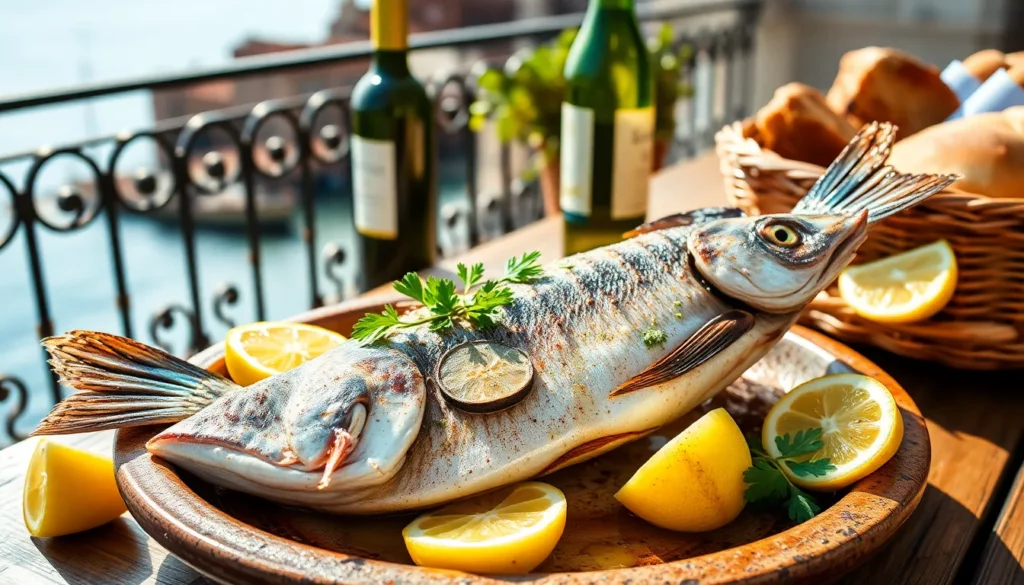
Pesce serra is the Italian common name for the bluefish (Pomatomus saltatrix), a migratory predatory fish found in temperate and tropical waters worldwide, including the Mediterranean Sea. In Italian culinary tradition, pesce serra is valued for its firm, oily flesh and distinctive, robust flavor. It is most commonly prepared by grilling (alla griglia), baking (al forno), or frying, often with simple seasonings such as olive oil, lemon, garlic, and fresh herbs. The fish is especially popular in the coastal regions of southern Italy, including Campania, Calabria, and Sicily, where it is a staple of summer seafood feasts.
Origin & History
The bluefish has been fished in the Mediterranean since antiquity. Ancient Roman writers such as Pliny the Elder mentioned a fish called serra (meaning “saw” in Latin), likely referring to its sharp teeth. The Italian name pesce serra preserves this etymology. Historically, the fish was abundant along the Italian coasts, particularly in the Tyrrhenian and Adriatic seas. In the 19th and early 20th centuries, pesce serra was considered a “poor man’s fish” due to its availability and low cost, but its culinary reputation has since risen. Today, it is celebrated in local festivals, such as the Sagra del Pesce Serra in the town of San Benedetto del Tronto (Marche), and is a key ingredient in traditional recipes like pesce serra alla pizzaiola (with tomato, capers, and olives) in Campania.
What’s In It
Pesce serra is not a prepared dish but a whole fish; however, its culinary identity is defined by the ingredients used to season and cook it. Core components include:

- Fresh pesce serra – typically 1–3 kg, with bright eyes and firm flesh.
- Extra virgin olive oil – the foundation of Mediterranean cooking.
- Aromatics – garlic, parsley, rosemary, or oregano.
- Acid – lemon juice or white wine to balance the fish’s oiliness.
- Salt and pepper – coarse sea salt is preferred.
Preparation nuances: Because bluefish has a strong, distinct flavor, Italian cooks often pair it with assertive ingredients like capers, olives, tomatoes, or chili flakes. Unlike milder fish such as branzino or orata, pesce serra benefits from marination or a robust sauce. It is sometimes confused with pesce spada (swordfish) or tonno (tuna), but its texture is more delicate and its taste more pronounced.
Regional Variations
Pesce serra is prepared differently across Italy, reflecting local tastes and traditions. The table below highlights three major regional styles:
| Region | Typical Preparation | Key Ingredients |
|---|---|---|
| Liguria | Grilled whole (alla ligure) | Olive oil, pine nuts, raisins, white wine |
| Campania | Baked with tomatoes (alla pizzaiola) | San Marzano tomatoes, capers, olives, oregano |
| Sicily | Fried or in agrodolce (sweet-and-sour) | Vinegar, sugar, saffron, almonds |
In Liguria, the fish is often stuffed with a mixture of breadcrumbs, herbs, and dried fruit, then grilled over an open fire. Campanian versions highlight the region’s love for tomato-based sauces. Sicilian cooks may incorporate sweet-and-sour elements, a legacy of Arab influence. Other regions, such as Puglia, prefer a simple oven bake with potatoes and cherry tomatoes.
How It’s Traditionally Eaten
Pesce serra is typically served as a secondo piatto (main course) after a pasta or rice dish. It is often accompanied by a contorno of grilled vegetables, a green salad, or roasted potatoes. The fish is usually presented whole (head and tail on) or as fillets, depending on the setting. In coastal homes, it is a common pranzo della domenica (Sunday lunch) during summer. On holidays like Ferragosto (August 15), whole grilled pesce serra is a centerpiece of beachside feasts. It pairs well with crisp white wines such as Vermentino or Falanghina.
Common Mistakes / What It’s Not
One frequent misconception is that pesce serra is the same as pesce azzurro (blue fish) – a category that includes anchovies, sardines, and mackerel. While bluefish is indeed a “blue fish” due to its oily flesh, the term pesce azzurro is a nutritional classification, not a species. Another error is overcooking: because bluefish is oily, it dries out quickly if grilled too long. Italian cooks recommend cooking until the flesh just flakes. Additionally, some American-Italian recipes treat pesce serra as a substitute for milder fish, but its strong flavor should be embraced rather than masked. Finally, pesce serra is not a farmed fish; it is always wild-caught, which affects its availability and sustainability.
Where to Try It / What to Order
To experience authentic pesce serra, visit coastal regions during the summer months (May–September) when the fish is in season. In Rome, seek out trattorie near the coast like those in Fiumicino. In Naples, try pesce serra alla pizzaiola at a traditional osteria. In Sicily, head to Catania’s fish market (La Pescheria) for fried pesce serra. When ordering, ask for pesce serra fresco and specify your preferred cooking method: alla griglia (grilled), al forno (baked), or fritto (fried). If the menu lists serra alone, it is the same fish. For a true local experience, attend a sagra del pesce serra – festivals dedicated to the fish, held in towns like San Benedetto del Tronto and Termoli.
Related Dishes
FAQ
What is pesce serra?
Pesce serra is the Italian name for the bluefish (Pomatomus saltatrix), a predatory fish found in the Mediterranean and other warm seas. It is known for its firm, oily flesh and strong flavor.
How is pesce serra traditionally cooked in Italy?
It is most often grilled whole (alla griglia) with olive oil, lemon, and herbs, or baked with tomatoes, capers, and olives (alla pizzaiola). In Sicily, it may be fried or prepared in a sweet-and-sour sauce.
Is pesce serra the same as bluefish?
Yes, pesce serra is the Italian common name for the bluefish. In English, it is also called tailor or elf, depending on the region.
Where can I buy fresh pesce serra?
Fresh pesce serra is available at Italian fish markets (pescherie) during its season (May–September). It is also sold in some specialty seafood markets outside Italy.
What does pesce serra taste like?
It has a bold, distinctive flavor that is oilier and stronger than mild white fish like cod or sea bass. Some compare it to mackerel or tuna.

Leave a Reply