
Short Answer
What It Is
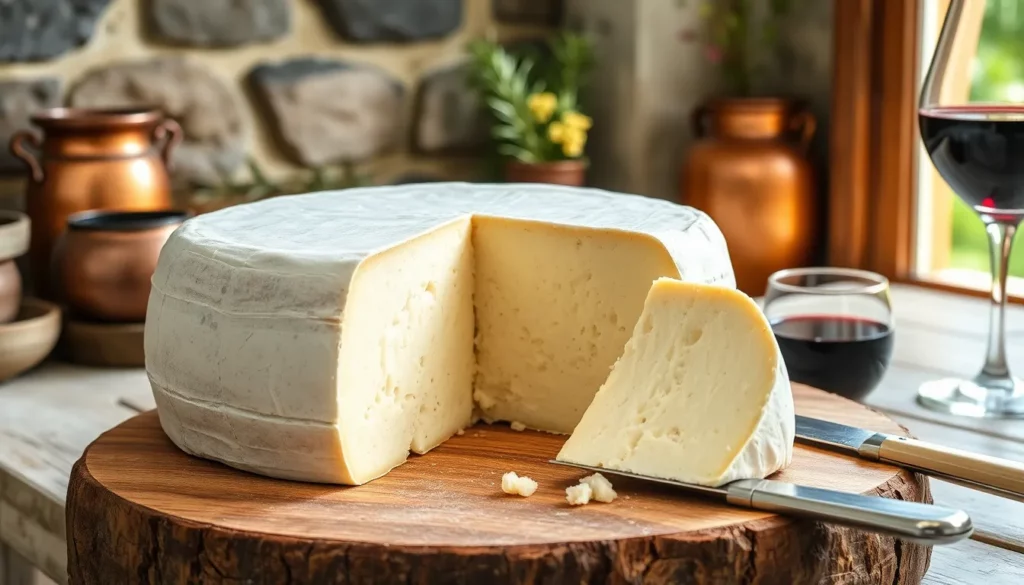
Piccione (pronounced pee-CHO-neh) is a semi-hard to hard cheese produced exclusively in the Marche region of central Italy, particularly in the provinces of Pesaro-Urbino, Ancona, and Macerata. It has been awarded Denominazione di Origine Protetta (DOP) status by the European Union, recognizing its strict production standards and geographic origin. The cheese is made from raw or thermized cow’s milk, often blended with a small percentage of sheep’s milk (up to 20%) to enhance complexity. The curds are hand-cut, pressed into traditional wooden molds, and salted in brine for 24–48 hours. Aging takes place in natural caves or temperature-controlled cellars for a minimum of 60 days, with premium grades aged up to 18 months. The result is a cheese with a pale straw interior, a natural rind that may be rubbed with olive oil or ash, and a flavor profile ranging from milky and mild to sharp and piquant with notes of toasted hazelnuts and dried fruit.
“Piccione is the soul of the Marche countryside—a cheese that speaks of ancient pastures, patient hands, and the rhythm of the seasons.” – Mario Soldati, Italian food writer
Types & Grades
Piccione is classified by aging duration, which directly influences texture, flavor intensity, and culinary application. The table below outlines the official grades recognized by the Consorzio di Tutela del Piccione DOP.
| Grade | Aging Period | Texture | Flavor Profile | Best Uses |
|---|---|---|---|---|
| Piccione Giovane (Young) | 60–90 days | Semi-soft, slightly elastic | Mild, milky, with a hint of grass | Table cheese, salads, light pasta |
| Piccione Mezzano (Medium) | 4–8 months | Firm, crumbly | Nutty, buttery, with moderate sharpness | Grating over pasta, risotto, panini |
| Piccione Vecchio (Aged) | 12–18 months | Hard, granular | Intense, piquant, with caramel and spice notes | Grating, cheese boards, paired with honey |
| Piccione Stravecchio (Extra Aged) | 24+ months | Very hard, crystalline | Sharp, salty, with umami depth | Grated over soups, shaved on vegetables |
Within each grade, producers may offer variations such as Piccione al Tartufo (with black truffle shavings) or Piccione Affumicato (cold-smoked over beechwood), though these are not DOP-classified.

How It’s Used in Cooking
Piccione is a versatile cheese that features prominently in Marchegian cuisine. Its ability to melt smoothly while retaining flavor makes it ideal for both hot and cold preparations.
Traditional Dishes
- Vincisgrassi – A layered baked pasta from the Marche, similar to lasagna, where Piccione Mezzano is grated between sheets of fresh pasta with ragù and béchamel.
- Olive Ascolane – Stuffed olives (meat-filled) are often topped with grated Piccione Vecchio before frying.
- Pasta al Piccione – A simple dish of spaghetti tossed with melted Piccione Giovane, butter, black pepper, and a splash of pasta water.
- Formaggio Fritto – Slices of Piccione Mezzano are breaded and fried until golden, served with a drizzle of honey or balsamic vinegar.
- Insalata di Piccione – Thin shavings of aged Piccione over arugula, pear, and walnuts, dressed with lemon and olive oil.
In professional kitchens, Piccione Vecchio is often used as a finishing cheese for risottos, polenta, and vegetable gratins, while the younger grade is incorporated into cheese sauces for pasta and fondue.
How to Choose/Identify Authentic PICCIONE
To ensure you are purchasing genuine DOP Piccione, follow these guidelines:
- Look for the DOP seal – Authentic wheels bear a numbered label from the Consorzio di Tutela, often with a hologram and QR code.
- Check the rind – Natural rind, sometimes rubbed with olive oil or covered in ash. Avoid wax-coated or plastic-wrapped cheeses labeled as Piccione.
- Read the ingredients – Only cow’s milk (with up to 20% sheep’s milk), rennet, salt, and starter cultures. No preservatives or artificial colors.
- Examine the texture – Young Piccione should be slightly springy; aged versions should be crumbly with small crystals (tyrosine).
- Smell and taste – Authentic Piccione has a clean, grassy aroma. Young is milky; aged is pungent but not ammoniated.
- Buy from reputable sources – Specialty Italian delis, online retailers with direct imports, or directly from producers in the Marche region.
Avoid generic “Piccione-style” cheeses, which often lack the complexity and terroir of the DOP product.
Substitutes
If Piccione is unavailable, these Italian cheeses offer similar characteristics for specific applications:
- Pecorino Romano – A hard sheep’s milk cheese with a saltier, more pungent flavor. Best as a substitute for Piccione Vecchio in grating dishes.
- Grana Padano – A cow’s milk cheese with a nutty, less sharp profile. Works well for Piccione Mezzano in sauces and risottos.
- Montasio – A cow’s milk cheese from Friuli with a similar aging range and melting properties. Ideal for young Piccione in sandwiches and salads.
- Casatella Trevigiana – A soft, fresh cheese that can replace Piccione Giovane in table cheese applications, though it lacks the aging complexity.
When substituting, adjust salt levels and cooking times, as each cheese behaves differently under heat.
Conclusion
Piccione is a testament to the rich dairy heritage of the Marche region, offering a spectrum of flavors and textures that elevate both rustic and refined dishes. Whether enjoyed young and creamy or aged and crystalline, authentic DOP Piccione brings a taste of Italian tradition to any kitchen. By understanding its grades, culinary uses, and authenticity markers, you can confidently select and savor this exceptional cheese.
FAQ
What is the difference between Piccione and Pecorino?
Piccione is primarily made from cow's milk (with up to 20% sheep's milk), while Pecorino is made entirely from sheep's milk. Piccione has a milder, nuttier flavor compared to the saltier, more pungent Pecorino Romano. Both are aged, but Piccione offers a wider range of textures from semi-soft to very hard.
Can I eat the rind of Piccione?
Yes, the natural rind of Piccione is edible, though it may be tough in aged varieties. It is often rubbed with olive oil or ash, which adds flavor. For very hard Stravecchio, the rind is best used to flavor broths or soups rather than eaten directly.
How should I store Piccione cheese?
Wrap Piccione in wax paper or a cheese cloth, then place it in a loosely sealed plastic bag or container in the refrigerator's vegetable drawer. Avoid airtight plastic wrap, which traps moisture and promotes spoilage. Let the cheese come to room temperature before serving for best flavor.


Leave a Reply