
Short Answer
What Is Mela? Italian Fruit Explained
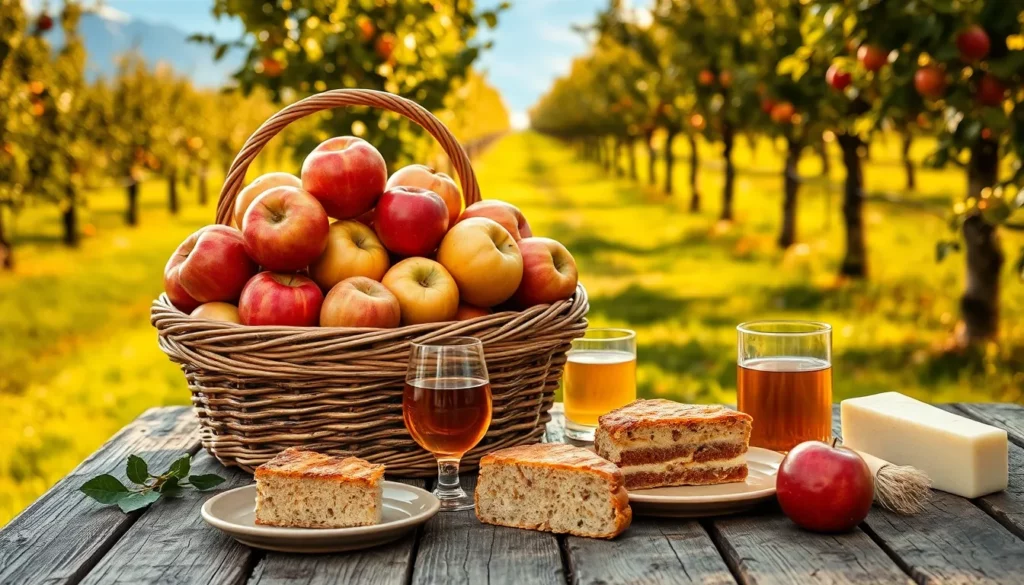
In Italian, mela simply means “apple.” However, in the context of Italian cuisine, the term often refers to specific heirloom varieties prized for their unique flavors, textures, and culinary applications. The apple has been cultivated on the Italian peninsula since ancient Roman times, and today Italy is one of Europe’s leading apple producers. Key varieties include the crisp Mela Fuji, the aromatic Mela Golden Delicious, and the protected Mela Annurca from Campania. Apples are used in both sweet and savory preparations, from the classic torta di mele (apple cake) to mela cotta (baked apple) and even paired with aged cheeses or roasted meats.
Origin & History
The apple (Malus domestica) is not native to Italy; it originated in Central Asia and was brought to Europe via the Silk Road. The Etruscans and later Romans cultivated apples, selecting and grafting varieties suited to the Italian climate. Pliny the Elder, in his Naturalis Historia, described several apple cultivars grown in the Roman countryside. During the Middle Ages, monasteries preserved and improved apple orchards, and by the Renaissance, apples were a staple in both peasant and noble kitchens. The 19th and 20th centuries saw the rise of commercial apple production in regions like Trentino-Alto Adige, Emilia-Romagna, and Piedmont. Today, Italy produces over 2 million tons of apples annually, with many varieties receiving Protected Geographical Indication (IGP) status, such as Mela Val di Non and Mela Rossa Cuneo.
What’s In It
An apple is composed of water (about 85%), carbohydrates (mainly sugars and fiber), vitamins (especially vitamin C), and a host of antioxidants like quercetin and catechin. The skin contains most of the fiber and polyphenols. Italian apples are distinguished by their cultivation methods and terroir. For example, the Mela Annurca from Campania is known for its reddish skin, firm flesh, and high sugar content, making it ideal for long storage and baking. The Mela Rosa dei Monti Sibillini, a rare variety from the Marche, has a pinkish flesh and a delicate aroma. Unlike many mass-market apples, Italian heirloom varieties are often harvested later and stored in traditional methods, resulting in a more complex flavor profile.

Regional Variations
Italy’s diverse geography gives rise to distinct apple varieties and uses across regions:
| Region | Key Variety | Characteristics | Typical Use |
|---|---|---|---|
| Trentino-Alto Adige | Mela Golden Delicious, Mela Red Delicious | Crisp, sweet, widely exported | Fresh eating, salads, strudel |
| Campania | Mela Annurca IGP | Small, red, firm, aromatic | Baked apples, desserts, pairing with cheese |
| Piedmont | Mela Rossa Cuneo IGP | Red-striped, juicy, balanced sweet-tart | Fresh, cider, savory sauces |
| Emilia-Romagna | Mela Imperatore | Large, green-yellow, crisp | Raw, cooked in torta di mele |
| Sicily | Mela Cola (local heirloom) | Small, russeted, intense flavor | Dried, preserves, traditional sweets |
How It’s Traditionally Eaten
In Italy, apples are consumed at various times of the day. They are often eaten raw as a snack or dessert, sometimes paired with a wedge of Parmigiano-Reggiano or Gorgonzola. Cooked preparations include mela cotta (baked with sugar, cinnamon, and sometimes wine), mela fritta (apple fritters), and the beloved torta di mele (apple cake), a staple of home baking. In the northern regions, apples appear in savory dishes like crauti con mele (sauerkraut with apples) or as a side to roast pork. During autumn festivals, apples are pressed for fresh juice or fermented into cider (sidro), especially in Trentino. Apples are also dried for winter use or made into mostarda, a spicy fruit condiment.
Common Mistakes / What It’s Not
Many non-Italians assume that all Italian apples are the same as those found in supermarkets worldwide. In reality, Italy boasts dozens of heirloom varieties with unique flavors and textures that are rarely exported. Another misconception is that mela refers only to the fruit; in Italian, mela can also be part of compound names like mela cotogna (quince) or mela granata (pomegranate), though these are different fruits. Additionally, the American habit of eating apples with peanut butter is virtually unknown in Italy; apples are more commonly enjoyed with cheese or alone. Finally, mela is not a dish itself but an ingredient; however, dishes like mela cotta are often referred to simply as mela in casual conversation.
Where to Try It / What to Order
To experience the best Italian apples, visit local markets or fruttivendoli (fruit shops) in apple-growing regions. In Trentino, the Mela Val di Non is a must-try; look for it at the Bolzano market. In Campania, seek out Mela Annurca at the Mercato di Porta Nolana in Naples. For a cooked dish, order torta di mele at any traditional pasticceria or trattoria. In Alto Adige, try Apfelstrudel (a local variant of strudel) or Krapfen filled with apple compote. During the autumn, many towns hold sagre della mela (apple festivals) where you can taste fresh-pressed juice, cider, and baked goods. When ordering, ask for mela cotta as a dessert or insalata di mele e finocchi (apple and fennel salad) as a refreshing contorno.
Related Dishes
- Torta di Mele (Italian Apple Cake)
- Mela Cotta (Baked Apple)
- Strudel di Mele (Apple Strudel)
- Mostarda di Mele (Apple Mostarda)
- Sidro (Italian Hard Cider)
FAQ
What is the most famous Italian apple variety?
The Mela Annurca from Campania is one of the most famous and protected Italian apple varieties, known for its intense flavor and long shelf life.
How is mela used in Italian cooking?
Mela is used in both sweet and savory dishes: raw in salads, baked as mela cotta, in cakes like torta di mele, paired with cheese, or cooked into mostarda and sauces.
Is mela the same as apple in Italian?
Yes, 'mela' is the Italian word for apple. However, it can also refer to specific heirloom varieties when used in culinary contexts.
Where can I buy authentic Italian apples?
Look for IGP-labeled apples at Italian markets or specialty stores. In Italy, visit local fruttivendoli or attend sagre della mela in apple-growing regions.
What is the difference between Mela Annurca and other apples?
Mela Annurca is smaller, redder, and firmer than common apples, with a higher sugar content and a distinctive aromatic flavor. It is often used for baking and is protected by IGP status.
Leave a Reply