
Short Answer
What Is Spuntino? Italian Snack Culture Explained
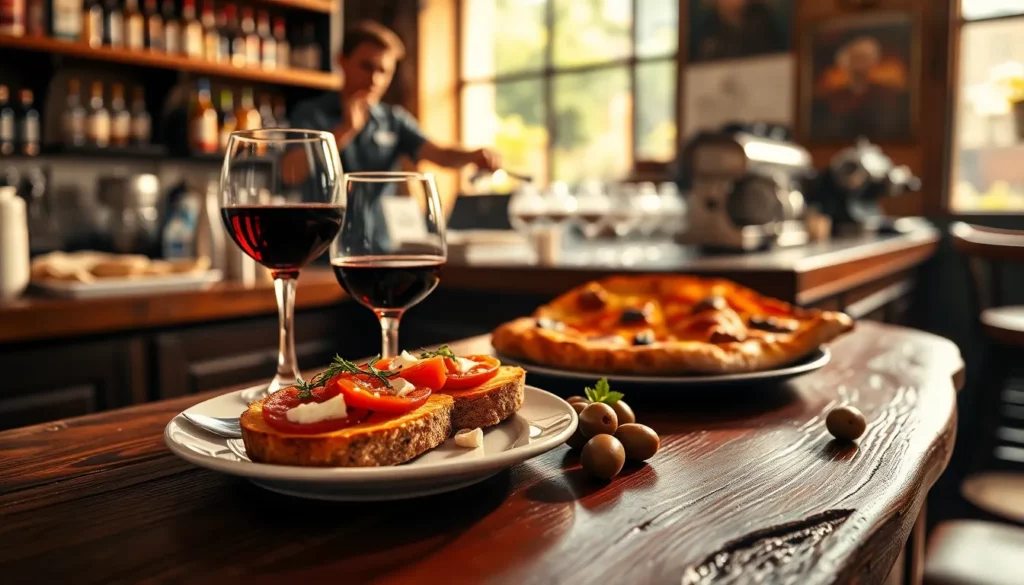
Spuntino (plural: spuntini) is the Italian term for a light snack, typically consumed in the late morning (around 11:00 AM) or late afternoon (around 4:00–5:00 PM). Unlike a full meal, a spuntino is a small, often handheld bite meant to stave off hunger and provide a quick energy boost. It can be sweet or savory, and its ingredients vary widely by region, but common elements include bread, cheese, cured meats, olives, vegetables, or pastries. The concept is deeply embedded in Italian daily life, serving as a social pause rather than a formal eating occasion.
Origin & History
The word spuntino derives from the Italian verb spuntare, meaning “to break” or “to blunt,” originally referring to breaking the fast (similar to the English “breakfast”). However, the modern usage emerged in the 19th century as a term for a small meal taken between the main meals of the day. The practice of eating small snacks between meals has ancient roots: the Roman gustatio (a light appetizer) and the medieval merenda (an afternoon snack) are direct precursors. In the 20th century, the rise of the aperitivo culture in northern Italy further popularized spuntini, as bars began offering complimentary bites with drinks. Today, spuntino is a cherished ritual, especially in central and southern Italy, where it is often enjoyed standing at a bar counter.
What’s In It
A spuntino is defined more by its timing and size than by specific ingredients. Typical components include:

- Bread-based: Focaccia, bruschetta, crostini, or a simple slice of bread with olive oil and salt.
- Cheese and cured meats: Small portions of pecorino, mozzarella, prosciutto, salami, or capocollo.
- Fried bites: Arancini (Sicilian rice balls), supplì (Roman fried rice balls), olive ascolane (stuffed fried olives), or panelle (chickpea fritters).
- Vegetables: Grilled peppers, marinated artichokes, or caponata.
- Sweet options: Biscotti, cannoli, sfogliatelle, or a small pastry.
Preparation is minimal; most spuntini are ready-to-eat or require only brief cooking. The key is simplicity and freshness. Unlike antipasto, which is served as a first course before a meal, spuntino is eaten independently of a main meal.
Regional Variations
Spuntino traditions differ markedly across Italy, reflecting local ingredients and customs. The table below highlights three major regional interpretations:
| Region | Typical Spuntino | Characteristics |
|---|---|---|
| Naples (Campania) | Pizza a portafoglio (folded pizza) or sfogliatella | Street food culture; often eaten on the go; rich in tomatoes, mozzarella, and seafood. |
| Rome (Lazio) | Supplì (fried rice balls with mozzarella) or pizza al taglio (pizza by the slice) | Bars and bakeries offer a variety of savory and sweet bites; often paired with a glass of wine or espresso. |
| Sicily | Arancini (rice balls with ragù or butter) or cannoli | Influenced by Arab and Norman cuisines; sweet spuntini are especially popular; often served at festivals. |
Other notable variations include cicchetti in Venice (small plates served with wine), crostini in Tuscany (topped with chicken liver pâté or mushrooms), and panelle in Palermo (chickpea fritters).
How It’s Traditionally Eaten
Spuntino is not a course in the formal Italian meal structure (primo, secondo, contorno). Instead, it is a standalone snack, typically consumed standing at a bar or café counter. It is most common in the mid-morning (spuntino di metà mattina) and mid-afternoon (spuntino di metà pomeriggio). Pairings include a small coffee (espresso or cappuccino, though cappuccino is usually reserved for morning), a glass of wine, or a soft drink. Spuntino is an everyday occurrence, not reserved for holidays, though festive versions may appear during sagre (local food festivals).
Common Mistakes / What It’s Not
A frequent misconception, especially in American-Italian contexts, is that spuntino is synonymous with antipasto. While both involve small bites, antipasto is specifically a first course served before the main meal, whereas spuntino is a snack eaten between meals. Another error is treating spuntino as a full meal; it is intentionally light. Additionally, spuntino is not a specific dish but a category; ordering “uno spuntino” at a bar will yield whatever the bar offers, not a fixed item. Avoid expecting large portions or elaborate presentations—spuntino is about simplicity and speed.
Where to Try It / What to Order
To experience authentic spuntino, visit local bars, enoteche (wine bars), or bakeries in Italy. In Rome, head to a pizza al taglio shop and order a slice with a glass of wine. In Venice, explore the bacari (wine bars) for cicchetti. In Palermo, street vendors sell arancini and panelle. For travelers, ordering “un caffè e un piccolo spuntino” (a coffee and a small snack) is a natural way to participate. Look for places where locals gather in the late morning or afternoon.
Related Dishes
FAQ
What is the difference between spuntino and antipasto?
Spuntino is a light snack eaten between meals, while antipasto is a first course served before the main meal. Spuntino is not part of a formal meal structure.
Is spuntino a meal?
No, spuntino is a small snack meant to tide you over until the next meal. It is not intended to replace a full meal.
What are typical spuntino foods?
Typical spuntino foods include bruschetta, focaccia, arancini, supplì, pizza al taglio, olives, cheese, cured meats, and small pastries like cannoli or sfogliatelle.
When is spuntino eaten in Italy?
Spuntino is typically eaten in the late morning (around 11 AM) and late afternoon (around 4-5 PM).
Can spuntino be sweet?
Yes, sweet spuntini are common, especially in Sicily and during festivals. Examples include cannoli, biscotti, and sfogliatelle.

Leave a Reply