
Short Answer
What It Is
Pancetta is an Italian cured meat made from pork belly, seasoned with salt, pepper, and various spices, then cured and aged. It originates from Italy, with regional variations across the country. Unlike bacon, pancetta is not smoked (though smoked versions exist). It is typically rolled (pancetta arrotolata) or flat (pancetta stesa). While there is no DOP (Denominazione di Origine Protetta) for pancetta as a whole, some regional varieties have PGI (Protected Geographical Indication) status, such as Pancetta Piacentina (PGI) from Emilia-Romagna. The production involves dry-curing the belly with salt and spices, then resting and aging for several months. The result is a rich, savory, and slightly tangy flavor with a tender yet firm texture.
Types & Grades
Pancetta is categorized primarily by shape and curing method. The two main types are:
- Pancetta Arrotolata (Rolled): The belly is rolled into a tight cylinder, tied, and cured. It has a spiral appearance when sliced. This is the most common type.
- Pancetta Stesa (Flat): The belly is cured flat, often pressed. It has a more uniform fat-to-meat ratio and is easier to slice thinly.
Additionally, there are variations based on seasoning and aging:
| Type | Aging | Flavor Profile | Common Uses |
|---|---|---|---|
| Pancetta Dolce (Sweet) | 2–3 months | Mild, slightly sweet, delicate | Raw in antipasti, salads |
| Pancetta Piccante (Spicy) | 3–6 months | Spicy with black pepper, chili | Pasta, sauces, cooked dishes |
| Pancetta Affumicata (Smoked) | 3–4 months | Smoky, robust | Adding smoky flavor to dishes |
Grades are not officially defined, but quality depends on the pig breed, diet, and curing expertise. Artisanal producers often use heritage breeds and natural curing methods.
How It’s Used in Cooking
Pancetta is a versatile ingredient in Italian cuisine. It can be eaten raw (if properly cured) or cooked. Traditional applications include:
- Pasta: Carbonara (though guanciale is traditional, pancetta is a common substitute), Amatriciana, and other sauces where rendered fat adds depth.
- Antipasti: Sliced thin and served with cheese, olives, and bread.
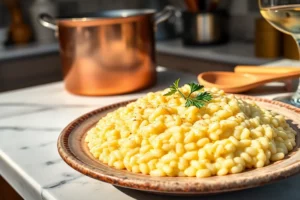
- Risotto: Added early to render fat and flavor the rice.
- Vegetable dishes: Wrapped around asparagus, or added to braised greens like radicchio.
- Stuffing: Chopped and mixed into meatballs, stuffings for poultry or vegetables.
“La pancetta è la base di molti sughi della tradizione italiana” – Italian culinary proverb.
When cooking, pancetta can be diced and rendered to release its fat, which is prized for sautéing aromatics. The meat itself becomes crispy or chewy depending on cooking time.
How to Choose/Identify Authentic Pancetta
To select high-quality pancetta, consider the following:
- Appearance: Look for a good balance of lean meat and fat (about 30–40% fat). The fat should be white or ivory, not yellow. The meat should be deep red to mahogany.
- Aroma: Fresh, savory, with notes of spice and no off-putting sourness.
- Texture: Firm but not hard; when sliced, it should hold together without crumbling.
- Labeling: Check for PGI designations (e.g., Pancetta Piacentina PGI). Look for “prodotto in Italia” and avoid products with added nitrates if possible (though some are used).
- Source: Buy from reputable Italian delis or specialty shops. Ask about the producer and aging.
Authentic pancetta is typically sold in a whole piece or pre-sliced. Avoid pre-packaged pancetta that looks overly uniform or has a lot of liquid in the package.
Substitutes
If pancetta is unavailable, consider these Italian substitutes:
- Guanciale: Cured pork jowl, richer and more flavorful, ideal for carbonara and amatriciana.
- Bacon: Smoked and often sweeter, but can be used in cooked dishes; not suitable raw.
- Lardo: Cured pork back fat, used for its fat content but lacks meaty texture.
- Prosciutto Crudo: Dry-cured ham, leaner, can be used in some cooked dishes but not for rendering fat.
Each substitute changes the flavor profile, so choose based on the dish. For raw applications, only guanciale or high-quality prosciutto are appropriate.
In conclusion, pancetta is a cornerstone of Italian cured meats, offering a unique balance of fat and flavor. Understanding its types, uses, and authenticity markers allows cooks to elevate their dishes with genuine Italian character. Whether enjoyed raw or cooked, pancetta brings the essence of Italian culinary tradition to the table.
FAQ
What is the difference between pancetta and bacon?
Pancetta is Italian cured pork belly, typically not smoked, and seasoned with spices like black pepper and garlic. Bacon is usually smoked and often has a sweeter flavor due to sugar curing. Pancetta is eaten raw or cooked, while bacon is almost always cooked.
Is pancetta safe to eat raw?
Yes, if it is properly cured and from a reputable source. Pancetta is a raw cured meat, similar to prosciutto, and is safe to consume without cooking. However, it should be stored properly and consumed before its expiration date.
How should I store pancetta?
Store whole pancetta wrapped in parchment paper or a clean cloth in the refrigerator. Sliced pancetta should be kept in an airtight container. It can also be frozen for up to 3 months. For best flavor, consume within a few weeks of purchase.


Leave a Reply