
Short Answer
What Is Acerbo? Italian Pasta Dish Explained
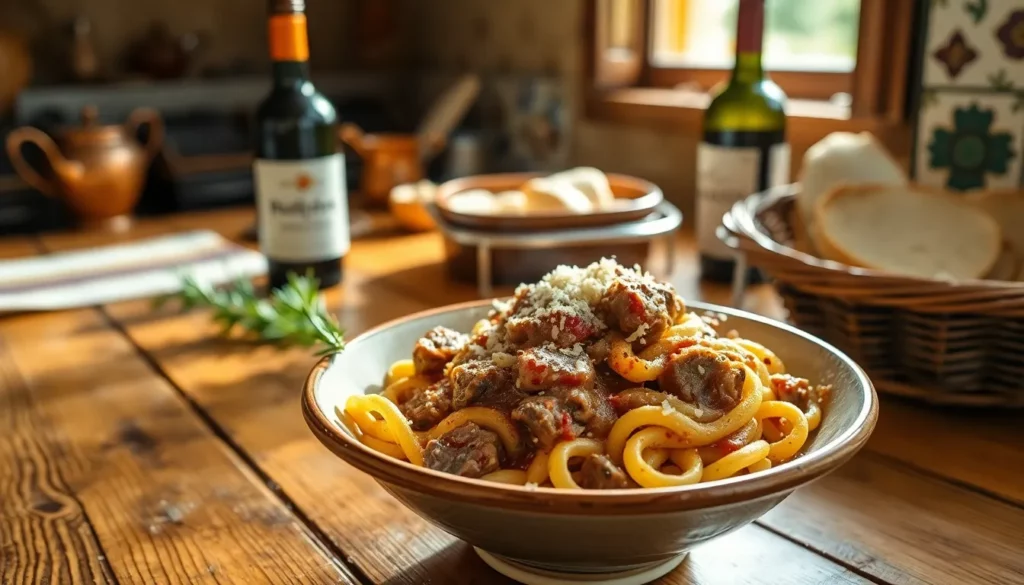
Acerbo is a traditional pasta dish from the Abruzzo region of central Italy, known for its distinctive sour and savory flavor profile. The name derives from the Italian word acerbo, meaning “sour” or “unripe,” referring to the tangy sauce made with lamb, tomatoes, and a souring agent such as vinegar or lemon juice. Key ingredients include handmade pasta (typically maccheroni alla chitarra), lamb shoulder or mutton, pecorino cheese, garlic, chili, and fresh herbs. Acerbo is a prime example of cucina povera (peasant cooking), transforming simple, locally available ingredients into a deeply satisfying meal.
Origin & History
Acerbo originates in the mountainous interior of Abruzzo, particularly the provinces of L’Aquila and Teramo. Its roots lie in the transhumance tradition, where shepherds moved flocks between highland pastures and coastal plains. The dish likely emerged in the 18th or 19th century as a way to preserve and flavor lamb meat using acidic ingredients. Historical cookbooks from the region, such as La Cucina Abruzzese by Luigi Veronelli, mention similar sour meat sauces, but the specific name “Acerbo” appears in oral tradition rather than early printed sources. A local legend claims that the dish was created by a shepherd who accidentally dropped a lemon into his simmering lamb stew, giving birth to the signature tang. While unverified, the story underscores the dish’s rustic, improvisational character.
What’s In It
The core ingredients of Acerbo are lamb (preferably shoulder or mutton), tomatoes (fresh or canned), onion, garlic, chili pepper, white wine, vinegar or lemon juice, pecorino cheese, and fresh herbs such as rosemary and thyme. The pasta is traditionally maccheroni alla chitarra—square-cut spaghetti made by pressing dough through a guitar-like wire frame. The sauce is slow-cooked for several hours to tenderize the meat and develop depth. Unlike similar dishes such as ragù alla bolognese, Acerbo emphasizes acidity over sweetness, and the meat is left in larger chunks rather than minced. The dish is also distinct from agnello cacio e ovo (lamb with cheese and egg) because it uses no eggs and relies on vinegar or citrus for sourness.

Regional Variations
While Acerbo is primarily associated with Abruzzo, neighboring regions have their own interpretations. The table below highlights key differences:
| Region | Key Variation | Distinctive Ingredient |
|---|---|---|
| Abruzzo (L’Aquila) | Classic version with lamb, tomatoes, and red wine vinegar | Pecorino di Farindola |
| Abruzzo (Teramo) | Uses lemon juice instead of vinegar; sometimes adds olives | Black olives from Ascoli |
| Molise | Substitutes goat meat for lamb; adds capers | Capers from Pantelleria |
| Marche (Ascoli Piceno) | Includes pancetta and a splash of balsamic vinegar | Pecorino di Fossa |
In coastal Abruzzo, some cooks add a pinch of saffron, while inland versions remain more austere. The choice of pasta also varies: spaghetti alla chitarra is standard, but cavatelli or orecchiette appear in Molise.
How It’s Traditionally Eaten
Acerbo is served as a primo piatto (first course) in a traditional Abruzzese meal, followed by roasted lamb or vegetables. It is typically eaten at lunch, especially during Easter and other festive occasions. The pasta is dressed with the sauce and grated pecorino, while the meat is often served separately as a secondo or mixed into the pasta. Acerbo pairs well with a robust red wine from the region, such as Montepulciano d’Abruzzo. It is not an everyday dish due to the long cooking time, but it is a staple of Sunday family gatherings and sagre (food festivals).
Common Mistakes / What It’s Not
Many American-Italian adaptations mistakenly sweeten the sauce with sugar or use ground beef instead of lamb. Acerbo is not a sweet tomato sauce; its defining feature is a pronounced sourness. It is also not a quick weeknight meal—the sauce requires at least two hours of simmering. Another misconception is that any pasta shape works; traditionalists insist on maccheroni alla chitarra because the rough texture holds the sauce better. Finally, Acerbo should not be confused with pasta all’amatriciana, which uses guanciale and no lamb.
Where to Try It / What to Order
To experience authentic Acerbo, visit the Abruzzo region, especially the towns of L’Aquila, Teramo, and Sulmona. Look for trattorias that advertise “Maccheroni alla chitarra con sugo d’agnello acerbo.” Recommended restaurants include Ristorante La Piazzetta in L’Aquila and Taverna de li Caldora in Sulmona. During the annual Sagra della Pasta alla Chitarra in Teramo (August), Acerbo is often featured. When ordering, ask for “Acerbo tradizionale” and specify if you prefer lemon or vinegar. Pair it with a glass of Montepulciano d’Abruzzo and finish with parrozzo (almond cake) for a complete meal.
Related Dishes
- Maccheroni alla Chitarra
- Agnello Cacio e Ovo
- Ragù alla Bolognese
- Pasta all’Amatriciana
- Pecorino di Farindola
FAQ
What does 'Acerbo' mean in Italian?
Acerbo translates to 'sour' or 'unripe,' referring to the tangy flavor of the dish’s sauce.
Is Acerbo a pasta or a sauce?
Acerbo is a complete pasta dish consisting of handmade maccheroni alla chitarra topped with a sour lamb sauce.
Can I make Acerbo with beef instead of lamb?
Traditional Acerbo uses lamb, but some modern variations substitute beef or goat. However, the authentic flavor relies on lamb’s richness.
What is the best pasta shape for Acerbo?
Maccheroni alla chitarra is traditional, but other rough-textured pastas like cavatelli or orecchiette can work.
Is Acerbo gluten-free?
No, traditional Acerbo uses wheat pasta. Gluten-free pasta can be substituted but will alter the texture.
Leave a Reply