
Short Answer
What It Is
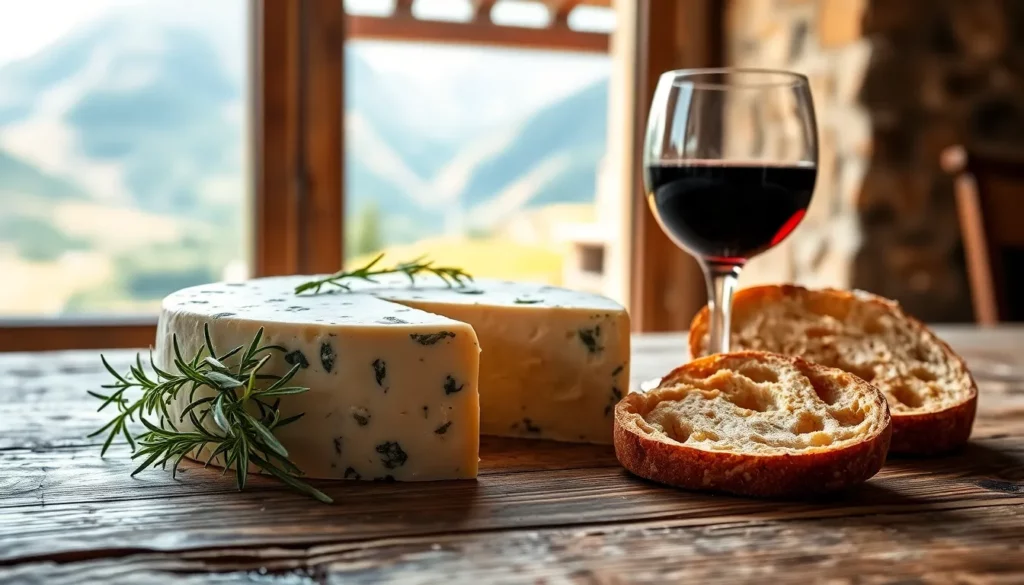
Bagnet (also spelled Bagnèt) is a traditional soft cheese originating from the Occitan-speaking valleys of Piedmont, in northwestern Italy. It is produced exclusively from raw cow’s milk sourced from local breeds such as the Piedmontese and Valdostana. The cheese is characterized by its incorporation of aromatic herbs—typically sage, rosemary, or thyme—which are added during the curdling process or pressed into the surface. Bagnet is recognized as a Prodotto Agroalimentare Tradizionale (PAT) by the Italian Ministry of Agricultural Policies, a designation that safeguards its artisanal heritage and links it to the specific terroir of the Occitan Alps. While it does not hold a DOP or PGI status, its PAT classification ensures that production follows strict traditional methods, including the use of raw milk and natural rennet. The cheese is typically aged for 20 to 60 days, developing a creamy texture and a mildly pungent, herbaceous flavor.
Types & Grades
Bagnet is classified primarily by its aging period, which influences texture and intensity. The two main grades are:
| Grade | Aging Time | Texture | Flavor Profile |
|---|---|---|---|
| Giovane (Young) | 20–30 days | Soft, spreadable, moist | Mild, milky, with fresh herb notes |
| Stagionato (Aged) | 40–60 days | Firmer, slightly crumbly | More pronounced, earthy, with a hint of spice |
Within these grades, variations exist based on the herb blend used. Some producers add garlic or black pepper, while others incorporate wild fennel or juniper berries. A rare affinato version (aged over 60 days) is occasionally made, but it is not traditional and is seldom found outside local markets.

How It’s Used in Cooking
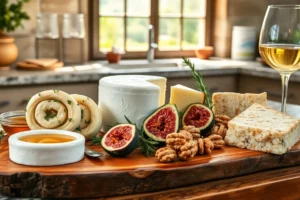
Bagnet is a versatile cheese that shines both as a table cheese and as a cooking ingredient. In traditional Occitan cuisine, it is often served as part of a tagliere (cheese board) alongside honey, fresh figs, and crusty bread. Its herbaceous character pairs beautifully with light red wines such as Barbera or Dolcetto. In the kitchen, Bagnet is used to enrich risotti (risotto) and polenta, where it melts into a creamy, aromatic sauce. It is also a key component of agnolotti del plin fillings, combined with spinach and ricotta. A classic preparation is Bagnet al forno: the cheese is baked in a terracotta dish with a drizzle of olive oil and fresh sage until bubbling, then served as a dip for vegetables or bread.
“Il Bagnet è il profumo dei nostri prati” — an old Occitan saying meaning “Bagnet is the scent of our meadows.”
How to Choose/Identify Authentic Bagnet
When purchasing Bagnet, look for the following authenticity cues:
- PAT label: Authentic Bagnet will bear the PAT logo or a reference to the Italian Ministry of Agricultural Policies. This guarantees traditional production methods.
- Raw milk: Genuine Bagnet is made from unpasteurized cow’s milk. Check the ingredient list for “latte crudo” (raw milk).
- Herb presence: The cheese should have visible herb fragments on the rind or throughout the paste. The aroma should be grassy and herbal, not overly ammoniated.
- Origin: Look for producers from the Occitan valleys (provinces of Cuneo, Turin, or the Aosta Valley border). Avoid mass-produced imitations that use pasteurized milk and artificial flavorings.
- Texture: Young Bagnet should be soft and slightly moist; aged Bagnet should be firmer but still pliable. If it is hard or dry, it may be over-aged or improperly stored.
Substitutes
If Bagnet is unavailable, several Italian cheeses can serve as substitutes, though each alters the dish’s character:
- Robiola: A soft, creamy cheese from Piedmont with a similar texture but milder herb flavor. Use in equal amounts for risotti or spreads.
- Caprino fresco: Fresh goat cheese offers a tangy note that can mimic the herbaceousness of Bagnet when mixed with chopped fresh herbs.
- Stracchino: A soft, cow’s milk cheese from Lombardy with a delicate, milky taste. It works well in baked dishes but lacks the herbal complexity.
- Formaggio di Fossa: An aged cheese from Emilia-Romagna with a pungent, earthy profile. Use only for aged Bagnet substitutes, and in smaller quantities due to its intensity.
For the most authentic results, seek out Bagnet from small producers in the Occitan valleys, as no substitute fully replicates its unique herb-infused character.
Conclusion
Bagnet is a hidden gem of Piedmontese cheese-making, deeply rooted in the Occitan cultural heritage. Its raw milk base, short aging, and aromatic herbs create a cheese that is both delicate and flavorful. Whether enjoyed fresh on a cheese board or melted into a traditional dish, Bagnet offers a taste of the Alpine meadows. When selecting Bagnet, prioritize PAT-certified products from local artisans to ensure authenticity and support the preservation of this traditional craft.
FAQ
What is Bagnet cheese?
Bagnet is a traditional soft cheese from the Occitan valleys of Piedmont, Italy. It is made from raw cow's milk and infused with aromatic herbs such as sage and rosemary. It is classified as a PAT (Traditional Agri-food Product) and is typically aged for 20 to 60 days.
How is Bagnet cheese made?
Bagnet is produced by curdling raw cow's milk with natural rennet, then adding fresh herbs during the curd formation. The curd is gently pressed into molds and salted. The cheese is then aged for a short period, during which it develops a creamy texture and herbaceous flavor.
What does Bagnet taste like?
Bagnet has a mild, milky base with pronounced grassy and herbal notes from the added herbs. Young Bagnet is soft and spreadable with a fresh, delicate taste, while aged Bagnet becomes firmer and develops a more earthy, slightly pungent character.

Leave a Reply