
Short Answer
What It Is
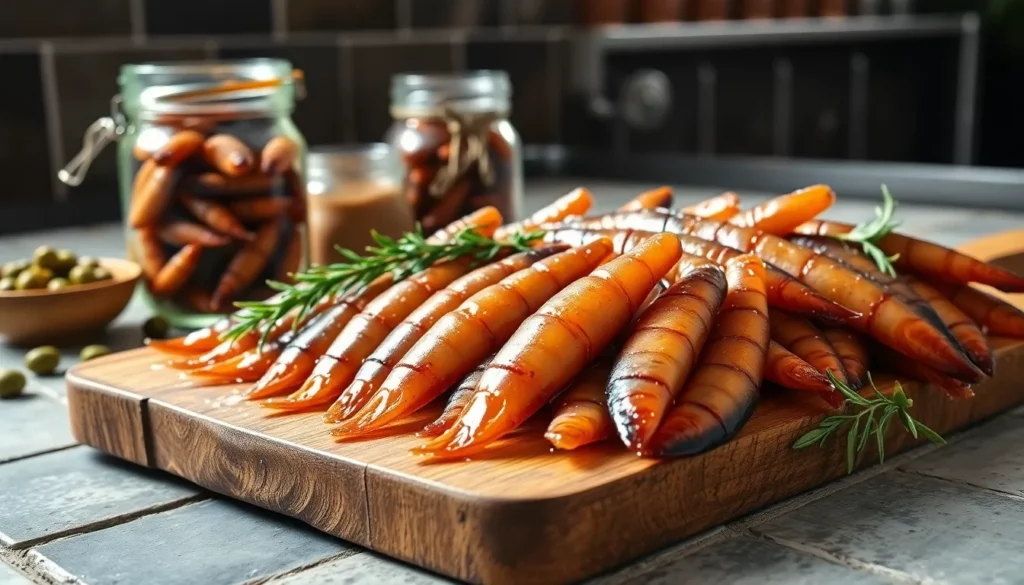
Filletti di acciughe (Italian for “anchovy fillets”) are the boneless, skinless fillets of the European anchovy (Engraulis encrasicolus), traditionally cured in sea salt and often preserved in olive oil. This ancient method of preservation dates back to Roman times, when garum—a fermented fish sauce—was the precursor. Today, filletti di acciughe are a cornerstone of Italian cuisine, providing a concentrated burst of umami and saltiness that elevates countless dishes.
The production process begins with fresh anchovies caught in the Mediterranean, particularly along the Adriatic and Tyrrhenian coasts. The fish are immediately headed, gutted, and layered with coarse sea salt in wooden barrels or stainless steel vats. The salt draws out moisture, creating a brine that cures the flesh over several months. This natural fermentation develops the characteristic deep, savory flavor. After curing, the anchovies are hand-filleted, removing the backbone and small bones, then packed in salt or oil. The most renowned production areas include the Marche region (especially the town of Fano, home to the Acciughe di Fano PGI), Liguria (where Acciughe del Mar Ligure DOP is recognized), and Sicily (with Acciughe di Sciacca DOP). While these DOP/PGI designations apply to whole salted anchovies, the fillets derived from them share the same quality standards and geographical origin.
“The anchovy is the salt of the sea, the soul of the kitchen.” – Traditional Ligurian saying
Types & Grades
Filletti di acciughe are classified by their curing method, aging time, and packaging. The table below outlines the main grades:

| Grade | Curing Method | Aging Time | Flavor Profile | Common Uses |
|---|---|---|---|---|
| Sotto Sale (Under Salt) | Whole anchovies cured in salt, then filleted and packed in salt | 6–12 months | Intensely salty, firm texture, deep umami | Rinsed and used in sauces, salads, or as a condiment |
| Sott’Olio (In Oil) | Fillets cured in salt, then packed in olive oil | 3–6 months (after oil packing) | Milder saltiness, softer texture, oil adds richness | Directly on bruschetta, pizzas, or in pasta |
| Affinato (Aged) | Extended salt curing for 18–24 months | 18–24 months | Complex, almost cheese-like umami, very tender | Grated or mashed into sauces, used sparingly |
| Vintage (Riserva) | Selected high-quality fillets aged over 2 years | 24+ months | Exceptional depth, buttery texture, prized by chefs | Finishing dishes, paired with fine olive oil |
Additionally, some producers offer acciughe in salamoia (brine-packed), though these are less common for fillets. The DOP and PGI designations guarantee that the anchovies come from a specific region and follow traditional methods. For example, Acciughe di Sciacca DOP requires the use of local salt pans and a minimum curing of 6 months.
How It’s Used in Cooking
Filletti di acciughe are a secret weapon in Italian kitchens, lending depth without overt fishiness. Their primary role is as a flavor enhancer, dissolving into sauces, oils, and braises. Classic applications include:
- Pasta dishes: Spaghetti con le acciughe (with garlic, oil, and breadcrumbs), puttanesca sauce, or a simple aglio e olio with melted anchovies.
- Pizza: Traditional pizza Napoletana often features anchovy fillets as a topping, paired with olives and capers.
- Vegetable dishes: Bagna càuda (Piedmontese hot dip), where anchovies are melted with garlic and butter for dipping raw vegetables.
- Salads: Caesar salad dressing relies on anchovy paste or fillets for its signature tang.
- Meat and fish: Larding lean meats (e.g., veal or beef) with anchovy fillets adds moisture and savoriness; also used in fish stews like cioppino.
- Condiments: Anchovy butter (beurre d’anchois) for grilled meats or vegetables, and as a base for colatura di alici (a concentrated fish sauce).
When cooking, fillets are often rinsed to remove excess salt, then gently melted in warm oil or butter. They disintegrate quickly, releasing their essence. A single fillet can transform a simple tomato sauce into a complex, savory masterpiece.
How to Choose/Identify Authentic Filletti di Acciughe
For commercial buyers and home cooks alike, selecting genuine filletti di acciughe requires attention to several cues:
- Origin labeling: Look for DOP (Denominazione di Origine Protetta) or PGI (Indicazione Geografica Protetta) seals. The most common are Acciughe di Sciacca DOP (Sicily), Acciughe del Mar Ligure DOP (Liguria), and Acciughe di Fano PGI (Marche). These guarantee the fish are from that region and processed traditionally.
- Ingredient list: Authentic fillets contain only anchovies, salt, and optionally olive oil. Avoid products with additives like preservatives, artificial colors, or flavor enhancers.
- Color and texture: High-quality fillets have a deep reddish-brown hue (from the curing) and a firm yet tender texture. They should not be mushy or overly pale.
- Packaging: Salt-packed fillets should be fully covered in coarse salt; oil-packed fillets should be submerged in high-quality extra virgin olive oil. Check for any signs of spoilage (off odors, discoloration).
- Producer reputation: Renowned brands include Agostino Recca (Sciacca), Fratelli Carli (Liguria), La Nicchia (Sicily), and Antica Salumeria from the Marche. Small artisanal producers often offer superior quality.
- Price: Authentic DOP fillets are more expensive due to labor-intensive hand-filleting and longer curing. Extremely cheap products are likely inferior or imported.
For professional kitchens, buying whole salted anchovies and filletting them in-house ensures maximum freshness and control over salt content. However, pre-filleted products are convenient and widely used.
Substitutes
While no substitute perfectly replicates the complexity of filletti di acciughe, several Italian alternatives can be used in specific contexts:
- Colatura di alici: A traditional fish sauce from Cetara (Campania), made by fermenting anchovies in salt and collecting the drippings. It is intensely umami and can replace anchovy fillets in dressings, sauces, and marinades. Use sparingly (a few drops).
- Anchovy paste: A concentrated paste sold in tubes, made from ground anchovies, salt, and sometimes vinegar. It is convenient but often less nuanced than whole fillets. Best for quick sauces or spreads.
- Garum (modern version): Some Italian producers recreate ancient Roman garum using anchovies and herbs. It offers a similar fermented depth but is more liquid. Use as a seasoning.
- Miso or soy sauce (non-Italian): In a pinch, these provide umami but lack the marine character. They are not recommended for traditional Italian dishes.
For strict authenticity, always prefer filletti di acciughe. The substitutes are best when the original is unavailable or for dietary restrictions.
Conclusion
Filletti di acciughe are far more than a simple preserved fish—they are a testament to Italian culinary heritage, embodying centuries of tradition and regional pride. From the salt pans of Sciacca to the Ligurian coast, these fillets bring an irreplaceable depth to dishes both humble and refined. Understanding their production, grades, and proper use allows cooks to harness their full potential. When selecting, prioritize DOP/PGI labels and artisanal producers to ensure authenticity. Whether melted into a sauce or laid atop a pizza, filletti di acciughe remain an essential ingredient in the Italian pantry.
FAQ
What is the difference between Filletti di Acciughe and ordinary anchovy fillets?
Filletti di Acciughe specifically refer to Italian salted anchovy fillets, often from DOP/PGI regions, cured traditionally for months. Ordinary anchovy fillets may be from other countries, cured for shorter periods, and often contain additives. Italian fillets have a deeper flavor and firmer texture.
How should I store opened Filletti di Acciughe?
For salt-packed fillets, keep them covered in salt in a sealed container in a cool, dark place. For oil-packed fillets, ensure they are fully submerged in olive oil and refrigerate after opening. Use within a few weeks for best quality.
Can I use Filletti di Acciughe directly from the jar without rinsing?
It depends on the recipe. Salt-packed fillets should be rinsed under cold water to remove excess salt, then patted dry. Oil-packed fillets can be used directly, but if the dish is sensitive to salt, a quick rinse may be advisable.
Leave a Reply