
Short Answer
What It Is
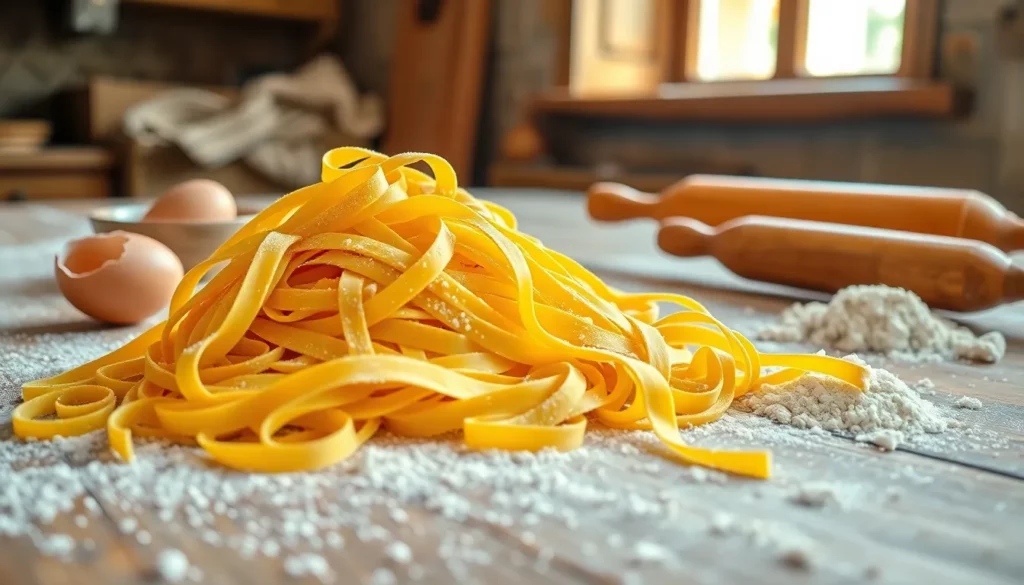
Pappardelle (singular: pappardella) are a type of broad, flat ribbon pasta originating from the Tuscany region of Italy. The name derives from the Italian verb pappare, meaning “to gobble up,” a fitting tribute to the generous size and satisfying texture of these noodles. Traditionally made with a mixture of durum wheat semolina and eggs, pappardelle are characterized by their width—typically between 2 and 3 centimeters (about ¾ to 1¼ inches)—and their slightly ruffled edges, which help trap sauce.
Unlike many industrial pasta shapes, authentic pappardelle are often produced by artisanal pasta makers who use bronze dies to create a rough, porous surface that clings to sauces. While pappardelle do not hold a specific DOP (Denominazione di Origine Protetta) or PGI (Indicazione Geografica Protetta) status as a shape, they are intrinsically linked to the culinary traditions of Tuscany, particularly the provinces of Florence, Siena, and Arezzo. The pasta is typically made fresh, but dried versions are widely available and can be of excellent quality if produced with traditional methods.
Types & Grades
Pappardelle can be categorized by their production method, egg content, and width. The following table outlines the main types and their characteristics:

| Type | Egg Content | Width | Production Method | Best Use |
|---|---|---|---|---|
| Fresh Pappardelle | High (typically 1 egg per 100g flour) | 2–3 cm | Hand-rolled or machine-sheeted, cut with a fluted wheel | Rich meat ragù, creamy mushroom sauces |
| Dried Artisanal Pappardelle | Moderate (often 2–3 eggs per kg flour) | 2–2.5 cm | Bronze die extrusion, slow drying at low temperature | Hearty sauces, baked pasta dishes |
| Industrial Dried Pappardelle | Low or none (egg-free versions) | 1.5–2 cm | Teflon die extrusion, high-temperature drying | Quick meals, lighter sauces |
| Whole Wheat Pappardelle | Variable | 2–3 cm | Whole durum wheat flour, often bronze die | Rustic sauces, game ragù |
| Gluten-Free Pappardelle | Variable (often egg-based) | 2 cm | Rice/corn flour blend, extruded or sheeted | Dietary restrictions, delicate sauces |
Within these categories, grades are determined by the quality of ingredients (e.g., organic eggs, single-origin semolina) and the craftsmanship of the pasta maker. The highest grade is often labeled “Pasta Artigianale” or “Fatta a Mano” (handmade).
How It’s Used in Cooking
Pappardelle’s broad surface area and sturdy texture make them ideal for robust, slow-cooked sauces. In traditional Tuscan cuisine, they are the classic partner for ragù di cinghiale (wild boar ragù), a gamey, wine-infused sauce that clings to every ribbon. Another iconic pairing is pappardelle al ragù di lepre (hare ragù), a dish celebrated in the Maremma region.
Beyond game, pappardelle excel with:
- Mushroom sauces – especially porcini (Boletus edulis) in a creamy or tomato-based sauce.
- Rich meat ragù – beef, veal, or lamb slow-cooked with tomatoes, wine, and aromatics.
- Butter and sage – a simple yet elegant preparation, often with a dusting of Parmigiano-Reggiano.
- Seafood – less common but successful with hearty fish like swordfish or tuna in a tomato sauce.
When cooking pappardelle, always use a large pot of generously salted water (about 1 tablespoon of salt per 4 liters of water). Fresh pappardelle cook in 2–4 minutes; dried artisanal versions require 6–8 minutes. Never rinse the pasta after draining; the starch helps the sauce adhere. Reserve a cup of pasta water to adjust sauce consistency.
“Pappardelle are the pasta of celebration—they demand a sauce that has been simmered with patience and love.” – Pellegrino Artusi, Science in the Kitchen and the Art of Eating Well (1891)
How to Choose/Identify Authentic Pappardelle
For commercial buyers and home cooks seeking authenticity, consider the following cues:
- Check the ingredient list – Authentic pappardelle should list semola di grano duro (durum wheat semolina) and eggs as primary ingredients. Avoid products with added colorings or preservatives.
- Look for bronze die extrusion – The pasta surface should be rough and opaque, not shiny and smooth. This indicates a traditional bronze die, which creates a porous texture that holds sauce.
- Examine the color – Fresh pappardelle are a warm golden yellow; dried versions should be a pale amber. Uniform bright yellow may indicate artificial coloring.
- Check the width – True pappardelle are at least 2 cm wide. Narrower ribbons are likely tagliatelle or fettuccine mislabeled.
- Seek certifications – While no DOP exists for the shape, look for IGP Toscano or Produttori di Pasta Artigianale labels. Some producers carry organic certification.
- Read the drying method – Slow drying at low temperatures (below 50°C) preserves flavor and texture. Avoid pasta dried at high temperatures, which can damage the gluten structure.
Reputable Italian brands such as Rustichella d’Abruzzo, Mancini, and Afeltra offer high-quality dried pappardelle. For fresh, seek out local pasta shops or Italian delis that make pasta daily.
Substitutes
When pappardelle are unavailable, several Italian pasta shapes can serve as substitutes, each with its own textural and culinary rationale:
- Tagliatelle – Slightly narrower (6–8 mm) but similar egg-rich composition. Best for lighter ragù or cream sauces. Use when a delicate ribbon is desired.
- Fettuccine – About 6–7 mm wide, common in Roman cuisine. Works well with butter-based sauces but may not hold a heavy game ragù as effectively.
- Pappardelle Reginette (also called Mafaldine) – A wavy-edged ribbon that offers a similar surface area. Excellent for catching sauce, though less traditional for Tuscan dishes.
- Lasagna sheets cut into strips – A DIY substitute: cut fresh or dried lasagna sheets into 2–3 cm wide ribbons. This replicates the texture and width of pappardelle.
For gluten-free diets, rice-based fettuccine or tagliatelle can be used, but note that they may be more delicate and require careful handling.
Conclusion
Pappardelle represent the pinnacle of Tuscan pasta craftsmanship—a wide, egg-rich ribbon designed to embrace the boldest sauces. Whether you choose fresh or dried, artisanal or homemade, understanding the nuances of this shape elevates any dish. By selecting authentic products and pairing them with traditional ragù or mushroom sauces, you honor a culinary heritage that has delighted palates for centuries. Remember: the best pappardelle are those that make you gobble them up.
FAQ
What is the difference between pappardelle and tagliatelle?
Pappardelle are significantly wider (2–3 cm) than tagliatelle (6–8 mm). Both are egg-based ribbon pastas, but pappardelle are traditionally from Tuscany and are designed for heavier, chunkier sauces like wild boar ragù, while tagliatelle are from Emilia-Romagna and pair with smoother ragù alla bolognese.
Can pappardelle be made gluten-free?
Yes, gluten-free pappardelle are available, typically made from a blend of rice flour, corn flour, and sometimes quinoa or buckwheat. They often contain eggs to improve texture. However, they are more delicate and may require gentler handling during cooking.
What sauce goes best with pappardelle?
The classic pairing is a slow-cooked ragù, especially wild boar or hare. Other excellent choices include porcini mushroom sauce, a rich beef or veal ragù, or a simple butter and sage sauce with Parmigiano-Reggiano. The key is a sauce with enough body to cling to the wide ribbons.
Leave a Reply