
Short Answer
What It Is
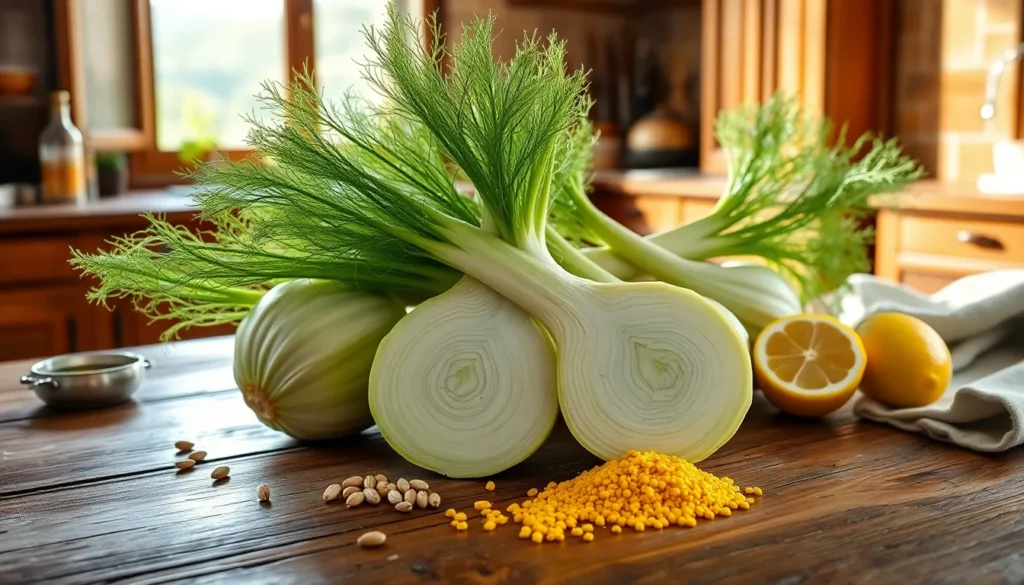
Finocchio (Foeniculum vulgare var. azoricum) is the Italian term for the cultivated fennel bulb, a staple of Mediterranean gastronomy. Unlike wild fennel, which is grown primarily for its seeds and pollen, finocchio is bred for its swollen, overlapping leaf bases that form a crisp, bulbous structure. The plant is native to the Mediterranean basin and has been cultivated in Italy since Roman times, where it was prized for both its culinary and medicinal properties.
The production of finocchio is concentrated in central and southern Italy, with notable regions including Calabria, Lazio, Campania, and Puglia. The most prestigious variety is Finocchio di Isola Capo Rizzuto PGI, a protected geographical indication from the province of Crotone in Calabria. This fennel is grown in sandy, well-drained soils near the Ionian Sea, which impart a particularly sweet, tender texture and a delicate anise aroma. The PGI status, granted by the European Union, ensures that the bulbs are harvested between October and May, are of a specific size (300–800 g), and exhibit a pure white or pale green color with no blemishes.
Historically, finocchio was also used in ancient Rome as a digestive aid and breath freshener, often served at the end of banquets. Today, it remains a symbol of Italian culinary identity, celebrated for its versatility and unique flavor profile that balances sweetness with a subtle licorice note.

Types & Grades
Finocchio is classified primarily by its cultivation method and intended use. The following table outlines the main types and their characteristics:
| Type | Description | Primary Use | Season |
|---|---|---|---|
| Finocchio da Bulbo (Bulb Fennel) | The classic cultivated variety with a swollen, white or pale green bulb. Tender and crisp. | Raw in salads, braised, roasted, or grilled. | Autumn to spring (peak: winter) |
| Finocchio Selvatico (Wild Fennel) | Thinner, more fibrous stems and feathery fronds; produces seeds and pollen. | Seeds for seasoning, pollen for finishing dishes, fronds for flavoring broths. | Spring to summer (seeds in late summer) |
| Finocchio di Isola Capo Rizzuto PGI | Protected geographical indication from Calabria. Larger, sweeter, and more uniform bulbs. | Premium raw consumption, delicate cooking. | October to May |
| Finocchio di Sant’Omero (unofficial) | Local variety from Abruzzo, known for its elongated shape and intense flavor. | Braised or used in soups. | Winter |
In addition to the bulb, finocchio yields two other valuable products: semi di finocchio (fennel seeds) and polline di finocchio (fennel pollen). Seeds are harvested from wild fennel and are graded by size and color; the finest are pale green and aromatic. Fennel pollen, often called the “spice of the gods,” is a rare and expensive ingredient collected by hand from wild fennel flowers in late summer.
How It’s Used in Cooking
Finocchio is a chameleon in the kitchen, equally at home raw or cooked. Its crisp texture and sweet anise flavor make it a favorite in both traditional and modern Italian cuisine.
Raw Preparations
Thinly sliced raw finocchio is a classic component of insalata di finocchi, often paired with oranges, olives, and red onion, dressed with extra-virgin olive oil and lemon juice. The bulb’s crunch provides a refreshing counterpoint to rich dishes. It is also served as a pinzimonio (crudité) with a simple dipping sauce of olive oil and salt.
Cooked Applications
Braising transforms finocchio into a silky, caramelized side dish. A traditional recipe from Lazio, finocchi al forno, involves parboiling the bulbs, then baking them with butter, Parmesan, and breadcrumbs until golden. In Tuscany, finocchio is often braised in white wine and chicken stock, then finished with a sprinkle of fennel pollen. Roasting at high heat brings out the natural sugars, creating a sweet, tender interior with a charred exterior.
“Il finocchio è l’amico del pesce” – “Fennel is the friend of fish.” This Italian saying reflects the classic pairing of finocchio with seafood, such as in branzino al finocchio (sea bass baked on a bed of fennel fronds) or gamberi con finocchio (shrimp sautéed with sliced bulb and white wine).
Seeds and Pollen
Fennel seeds are a key spice in Italian sausages, especially finocchiona, a Tuscan salami flavored with cracked fennel seeds. They are also used in breads, such as pane di finocchio, and in marinades for pork and fish. Fennel pollen is a finishing spice, sprinkled over grilled meats, roasted vegetables, or even pasta dishes like spaghetti con polline di finocchio for a burst of floral anise flavor.
How to Choose/Identify Authentic Finocchio
Selecting high-quality finocchio is essential for achieving the best flavor and texture. Follow these guidelines:
- Appearance: Look for bulbs that are firm, heavy for their size, and free of cracks or blemishes. The outer layers should be a clean white or pale green; any browning indicates age. The stalks should be crisp and the fronds bright green and fresh.
- Size: Medium bulbs (300–500 g) are ideal for most recipes. Very large bulbs can be tough and fibrous; very small ones may lack sweetness.
- Aroma: A gentle anise scent is a sign of freshness. If the smell is overpowering or musty, the bulb is past its prime.
- DOP/PGI Certification: For authentic Finocchio di Isola Capo Rizzuto PGI, look for the official EU PGI logo on the packaging or label. The bulbs will be uniform in shape and size, with a sticker indicating the producer and origin.
- Seasonality: Peak season for Italian finocchio is from October to May. Bulbs harvested in winter are typically sweeter due to cold temperatures concentrating sugars.
- Storage: Store finocchio in the refrigerator crisper drawer, wrapped in a damp paper towel, for up to five days. Separate the stalks from the bulb to prevent moisture loss.
For fennel seeds, choose seeds that are pale green to light brown, with a strong, sweet aroma. Avoid seeds that are dark or have a dusty appearance. Fennel pollen should be bright yellow-green and intensely fragrant; it is best purchased from reputable Italian spice merchants.
Substitutes
While finocchio has a unique flavor, several Italian ingredients can stand in when necessary:
- Anice (Anise): Anise seeds or star anise can mimic the licorice note, but they are more potent. Use sparingly, especially in cooked dishes. Anise is not a substitute for the bulb’s texture.
- Sedano (Celery): Celery provides a similar crunch and mild bitterness, though it lacks the anise flavor. It works well in raw salads or braised dishes when combined with a pinch of fennel seeds.
- Carciofi (Artichokes): In braised or roasted preparations, artichoke hearts offer a comparable tender texture and slight sweetness. They are a common substitute in Roman cuisine.
- Finocchio Selvatico (Wild Fennel): If only the bulb is unavailable, wild fennel stalks and fronds can be used to infuse flavor, though they are not a direct replacement for the bulb’s bulk.
For fennel seeds, the closest substitute is anise seeds, but reduce the quantity by half. For fennel pollen, a mixture of ground fennel seeds and a pinch of dried lemon zest can approximate the floral notes.
Conclusion: Finocchio is a versatile and essential ingredient in Italian cuisine, offering a unique combination of texture and flavor. Whether enjoyed raw in a crisp salad, braised to silky perfection, or used as a spice in seeds and pollen, it embodies the essence of Mediterranean cooking. By understanding its types, selecting authentic products, and knowing how to substitute when needed, you can bring a taste of Italy to your table year-round.
FAQ
What is the difference between finocchio and anise?
Finocchio (fennel) is a bulb vegetable with a mild, sweet anise flavor, while anise is a spice from the Pimpinella anisum plant with a stronger, more pungent licorice taste. They are botanically different but share similar flavor compounds.
Can I eat the fronds (green tops) of finocchio?
Yes, the feathery fronds are edible and can be used as an herb to flavor soups, stocks, salads, or as a garnish. They have a delicate anise flavor.
How should I store fresh finocchio to keep it crisp?
Remove the stalks and fronds (store separately), wrap the bulb in a damp paper towel, and place it in a plastic bag in the refrigerator crisper drawer. It will stay fresh for up to 5 days.
Leave a Reply