
Short Answer
What Is Granchio? Italian Seafood Explained
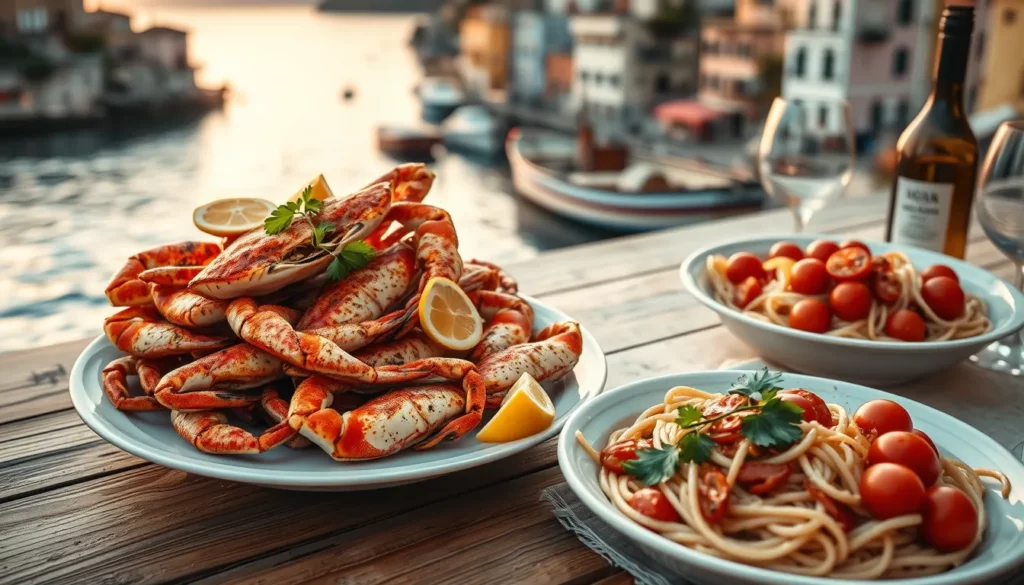
In Italian culinary terminology, granchio (pronounced GRAHN-kee-oh) refers to any edible crab species found in Italian waters or imported for gastronomic use. Unlike the specific dish names such as granchio alla griglia (grilled crab) or granchio in insalata (crab salad), the word itself denotes the ingredient. Italian crab cuisine is characterized by minimalistic preparations that respect the natural flavor of the meat, often featuring olive oil, lemon, garlic, parsley, and tomatoes. The most prized species include the Mediterranean blue crab (Callinectes sapidus), the velvet crab (Necora puber), and the common shore crab (Carcinus maenas). Granchio is primarily a coastal specialty, with strong traditions in the Veneto, Marche, Puglia, Sicily, and Sardinia regions.
Origin & History
Crab has been part of the Italian diet since ancient Roman times, when cancer (the Latin term for crab) was harvested from the Tyrrhenian and Adriatic seas. Apicius, the Roman gastronome, recorded recipes for boiled crab with cumin and pepper. However, the modern Italian appreciation for granchio as a refined ingredient emerged during the Renaissance, when coastal communities began to develop distinct preparations. In the Veneto region, the arrival of the invasive blue crab (granchio blu) in the 20th century transformed local cuisine, turning a once-ignored species into a delicacy. Myths persist that crab was historically considered “poor man’s food” in some areas, but archival evidence shows it was served at noble banquets, especially stuffed or in brodetto. Today, granchio is celebrated in festivals like the Sagra del Granchio in Porto Tolle (Veneto) and Festa del Granchio Blu in Goro.
What’s In It
The core ingredient is, of course, fresh crab. Italian preparations typically use whole crabs or just the claws and body meat. Key accompaniments include extra-virgin olive oil, garlic, fresh parsley, lemon juice, white wine, and tomatoes (fresh or canned). Regional variations may add chili flakes, capers, olives, or herbs like oregano and mint. Unlike American-style crab cakes or creamy crab dips, Italian granchio dishes are light and allow the crab’s natural sweetness to shine. The meat is often gently extracted and used in pasta sauces, salads, or simply grilled with herbs. A common mistake is to confuse granchio with astice (lobster) or aragosta (spiny lobster); while similar, crab meat is sweeter and more delicate, requiring shorter cooking times.
Regional Variations
Italian crab preparations vary significantly by region, reflecting local seafood availability and culinary traditions. Below is a comparison of three major regional styles:
| Region | Typical Dish | Key Ingredients | Preparation Method |
|---|---|---|---|
| Veneto | Granchio blu in umido | Blue crab, tomato passata, garlic, white wine, parsley | Stewed slowly with tomatoes and aromatics, served with polenta |
| Sicily | Granchio ripieno alla siciliana | Large crab, breadcrumbs, garlic, capers, olives, anchovies | Stuffed with a savory mixture, then baked or grilled |
| Puglia | Spaghetti al granchio | Spaghetti, crab claws, cherry tomatoes, chili, parsley | Light sauce made by sautéing crab with tomatoes and chili, tossed with pasta |
Other notable variations include granchio alla griglia in Sardinia (grilled with lemon and herbs) and granchio in brodetto in the Marche region (a fish stew with crab).
How It’s Traditionally Eaten
Granchio can appear in multiple courses depending on the preparation. As a secondo piatto (main course), grilled or stewed crab is served with a contorno of grilled vegetables or a simple salad. As a primo piatto, crab is often incorporated into pasta dishes like spaghetti or linguine. In coastal areas, a crab salad (insalata di granchio) may be served as an antipasto. Crab is typically eaten with the hands, using small forks to extract meat from the claws and body. It is considered a casual, convivial food, often enjoyed during summer feasts or seafood festivals. While not a daily staple, it is a highlight of feste del mare (sea festivals) and Sunday family lunches in fishing communities.
Common Mistakes / What It’s Not
One frequent misconception is that Italian crab dishes are heavy or creamy. In reality, authentic Italian granchio preparations are light, using minimal sauce to avoid masking the crab’s flavor. Another mistake is overcooking crab, which makes the meat tough and dry. Italians typically cook crab just until the shell turns red and the meat is opaque. Additionally, granchio is not the same as granchio di fiume (river crab), which is a different species used in some inland recipes. American-style crab cakes or crab dips are not Italian; the closest Italian equivalent is polpette di granchio (crab balls), but these are rare and usually pan-fried, not deep-fried. Finally, do not confuse granchio with granseola (spider crab), which has a different texture and is often served cold with mayonnaise.
Where to Try It / What to Order
For an authentic experience, visit the Veneto region, especially the Po Delta area around Goro and Porto Tolle, where blue crab is a local specialty. Look for granchio blu in umido served with soft polenta. In Sicily, head to coastal towns like Trapani or Catania and order granchio ripieno or spaghetti al granchio. In Puglia, restaurants in Bari or Lecce often feature spaghetti al granchio with fresh cherry tomatoes. For a fine-dining interpretation, try granchio alla griglia in Sardinia. When ordering, ask for granchio fresco (fresh crab) and specify your preferred preparation. Many restaurants offer a catalogo del granchio during crab season (spring to autumn).
Related Dishes
- Astice & Aragosta: Italian Lobster and Spiny Lobster
- Brodetto di Pesce: Italian Fish Stew
- Spaghetti alle Vongole: Clam Pasta
- Insalata di Mare: Italian Seafood Salad
- Polpette di Pesce: Italian Fish Balls
FAQ
What does 'granchio' mean in Italian?
Granchio simply means 'crab' in Italian. It refers to any edible crab species used in cooking, not a specific dish.
Is granchio the same as crab cakes?
No. Italian granchio preparations are light and simple, such as grilled or stewed crab, while crab cakes are an American invention. The closest Italian equivalent is rare polpette di granchio (crab balls), but they are pan-fried and not breaded heavily.
Where can I eat authentic granchio in Italy?
Head to the Veneto region (e.g., Goro, Porto Tolle) for blue crab stew with polenta, Sicily for stuffed crab, or Puglia for spaghetti al granchio. Coastal restaurants and sagre (festivals) are the best places.
What is the best way to cook granchio at home?
For an authentic Italian result, steam or boil fresh crab briefly, then serve with a drizzle of extra-virgin olive oil, lemon juice, and parsley. Alternatively, sauté crab claws with garlic, white wine, and tomatoes for a quick pasta sauce.
Is granchio expensive in Italy?
Prices vary by region and season. Blue crab is relatively affordable in the Veneto, while imported or larger species can be costly. It is generally less expensive than lobster or spiny lobster.


Leave a Reply