
Short Answer
What It Is
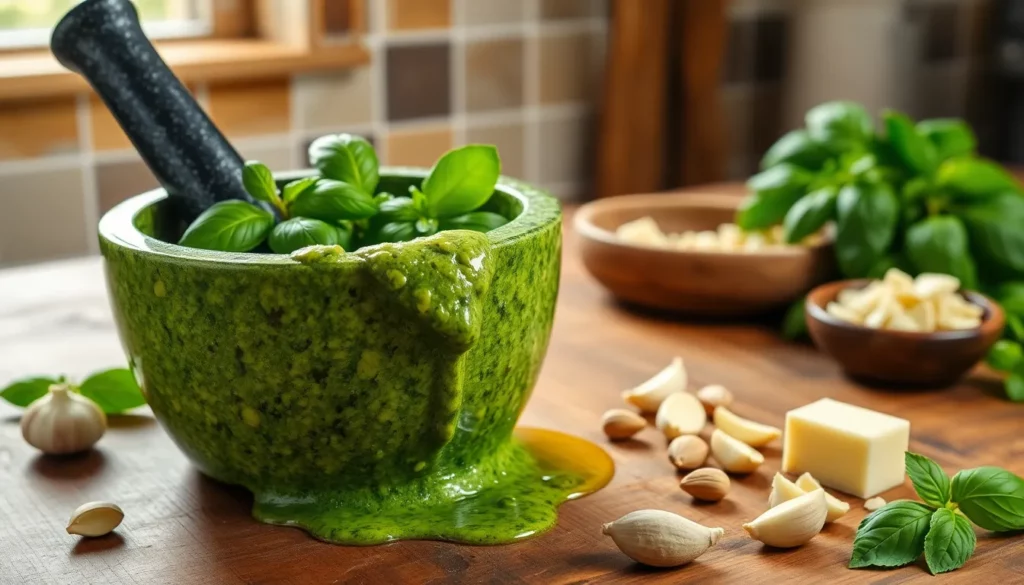
Pesto is a cold sauce originating from the Liguria region of northwestern Italy, most famously associated with the city of Genoa. The name derives from the Genoese word pestâ (Italian: pestare), meaning “to pound” or “to crush,” referring to the traditional method of preparation using a mortar and pestle. The classic version, Pesto Genovese, is made from fresh basil leaves, garlic, pine nuts, coarse salt, extra virgin olive oil, and a blend of grated hard cheeses—typically Parmigiano-Reggiano and Pecorino Sardo or Fiore Sardo.
In 2007, Pesto Genovese was granted Protected Designation of Origin (DOP) status by the European Union, which strictly regulates its production. According to the DOP specification, the basil must be the Basilico Genovese variety grown in Liguria, the olive oil must be from Ligurian olives, and the cheese must be aged for at least 12 months. The sauce must be prepared within the province of Genoa or other designated areas of Liguria. This certification ensures that any product labeled “Pesto Genovese DOP” adheres to traditional methods and ingredients.
“Il pesto è il profumo della Liguria, un concentrato di sole e di mare.” – Traditional Ligurian saying
Historically, pesto-like sauces date back to ancient Rome, where a mixture called moretum (herbs, cheese, garlic, and oil) was common. The modern recipe for pesto was first documented in the 19th century by Giovanni Battista Ratto in his 1863 cookbook La Cuciniera Genovese. Since then, it has become a global symbol of Italian cuisine.
Types & Grades
While Pesto Genovese is the most famous, Italy boasts several regional variations. The table below outlines the primary types and their characteristics.
| Type | Key Ingredients | Region | Notes |
|---|---|---|---|
| Pesto Genovese DOP | Basil, garlic, pine nuts, Parmigiano-Reggiano, Pecorino, EVOO | Liguria | Protected designation; bright green, creamy texture |
| Pesto alla Trapanese | Tomatoes, almonds, garlic, basil, olive oil | Sicily (Trapani) | Reddish color; uses almonds instead of pine nuts |
| Pesto Rosso | Sun-dried tomatoes, almonds, garlic, olive oil, cheese | Various | Sweet and tangy; often used on bruschetta |
| Pesto di Rucola | Arugula, walnuts, garlic, olive oil, cheese | Various | Peppery flavor; common in central Italy |
| Pesto di Pistacchio | Pistachios, garlic, olive oil, cheese | Sicily (Bronte) | Vibrant green; rich and nutty |
| Pesto di Noci | Walnuts, breadcrumbs, garlic, olive oil, cheese | Liguria | Traditional winter pesto; less basil |
In terms of grades, pesto can be classified as artisanal (fresh, small-batch, often DOP) or industrial (mass-produced, jarred, may contain preservatives and cheaper oils). Artisanal pesto is typically refrigerated and has a short shelf life, while industrial versions are shelf-stable but often lack the vibrant flavor and texture of the original.
How It’s Used in Cooking
Pesto is incredibly versatile in Italian cuisine. Its primary role is as a pasta sauce, but it also appears in many other dishes. Below are traditional applications:
- Pasta: The classic pairing is with trofie (short, twisted pasta) or trenette (thin, flat noodles). Pesto is also used with lasagne alla Genovese, where it layers with béchamel and vegetables.
- Minestrone: A spoonful of pesto is stirred into minestrone alla Genovese just before serving, adding freshness and depth.
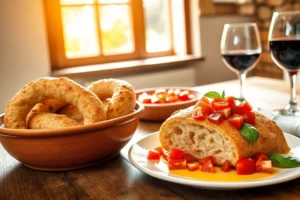
- Bruschetta and Crostini: Spread on toasted bread as an appetizer, often topped with cherry tomatoes or mozzarella.
- Focaccia: Pesto can be swirled into focaccia dough or used as a topping before baking.
- Vegetables and Fish: Used as a marinade or finishing sauce for grilled vegetables, fish, or chicken.
- Salad Dressings: Whisked with vinegar or lemon juice to create a creamy dressing.
When cooking with pesto, it is important to never heat it directly in a pan, as high temperatures can destroy the delicate basil flavor. Instead, toss the pesto with hot pasta off the heat, allowing the residual warmth to coat the noodles.
How to Choose/Identify Authentic PESTO
For commercial buyers and home cooks alike, identifying authentic pesto is crucial. Follow these guidelines:
- Look for the DOP seal: On jarred pesto, the official DOP logo guarantees that the product meets strict Ligurian standards. Without it, the pesto may be a generic imitation.
- Check the ingredient list: Authentic Pesto Genovese should list basil as the first ingredient, followed by olive oil, Parmigiano-Reggiano, Pecorino, pine nuts, garlic, and salt. Avoid products with potato starch, cashews, sunflower oil, or preservatives like citric acid (though a small amount is sometimes allowed).
- Color and texture: Real pesto is a vibrant, deep green with a coarse, slightly grainy texture from the crushed nuts and cheese. If it is unnaturally bright or smooth, it likely contains additives.
- Price: High-quality pesto is expensive due to the cost of genuine ingredients. If the price seems too low, the product probably uses cheaper substitutes.
- Storage: Fresh pesto is usually refrigerated and has a short shelf life (a few days). Jarred pesto can last months, but once opened, it should be consumed within a week.
Substitutes
If you cannot find authentic Pesto Genovese or need a variation, several Italian substitutes exist:
- Pesto alla Trapanese: This Sicilian sauce uses almonds instead of pine nuts and includes tomatoes. It is excellent with pasta or as a spread. The almonds provide a different nuttiness, and the tomatoes add acidity.
- Pesto di Pistacchio: Made with pistachios from Bronte, Sicily, this pesto is sweeter and more aromatic. It pairs well with seafood and light pasta.
- Pesto di Noci: A Ligurian winter pesto that substitutes walnuts for basil (often using less basil or none). It is heartier and often served with gnocchi or stuffed pasta.
- Pesto Rosso: Sun-dried tomato-based, this is a good alternative when fresh basil is out of season. It works well on pizza and in sandwiches.
Each substitute offers a distinct flavor profile while maintaining the Italian tradition of pounded sauces. They are not inferior, but rather regional adaptations that reflect local ingredients.
In summary, pesto is a cornerstone of Italian gastronomy, with a rich history and strict authenticity standards. Whether you choose the classic Genovese or explore regional variations, understanding its origins and proper use will elevate your culinary experience. Always prioritize quality ingredients and respect traditional methods to enjoy pesto at its best.
FAQ
What is the difference between pesto and Pesto Genovese?
Pesto is a general term for any sauce made by pounding ingredients. Pesto Genovese is a specific DOP-protected version from Liguria made with basil, garlic, pine nuts, Parmigiano-Reggiano, Pecorino, and extra virgin olive oil. Other pestos (e.g., Pesto alla Trapanese) are regional variations.
Can I freeze pesto?
Yes, fresh pesto freezes well. Place it in an airtight container or ice cube tray, cover with a thin layer of olive oil to prevent oxidation, and freeze for up to 3 months. Thaw in the refrigerator and use within a day.
Is pesto vegan?
Traditional Pesto Genovese is not vegan because it contains hard cheeses (Parmigiano-Reggiano and Pecorino). However, vegan versions can be made by substituting cheese with nutritional yeast or vegan cheese alternatives, though they will not be authentic.
How long does homemade pesto last in the fridge?
Homemade pesto, if stored in a sealed jar with a layer of olive oil on top, will keep for 2–3 days in the refrigerator. For longer storage, freeze it.
Leave a Reply