
Short Answer
What Is Affumicato? Italian Smoked Foods Explained
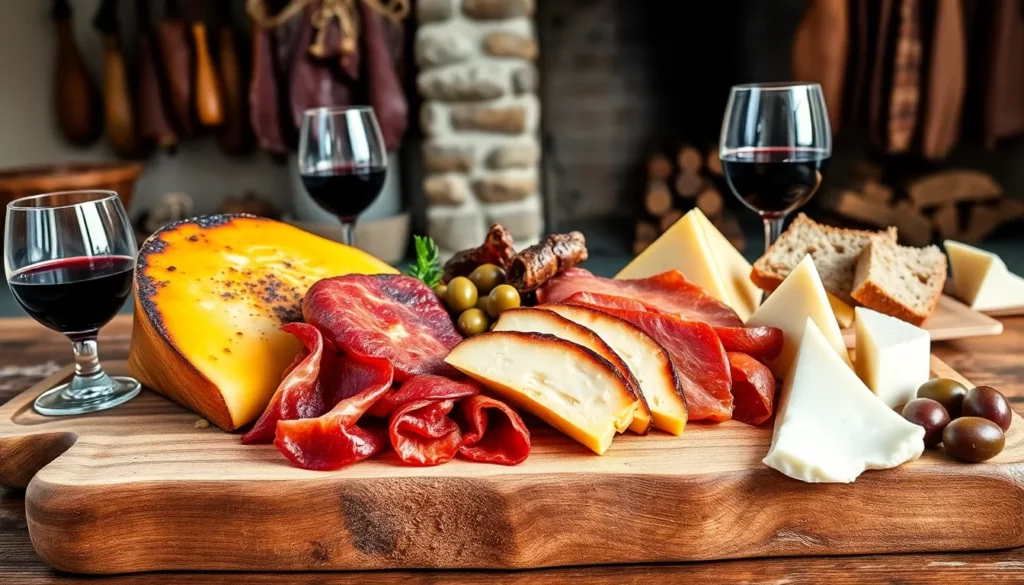
Affumicato is the Italian term for smoked foods, encompassing a wide range of cheeses, meats, and fish that have been cured and smoked using traditional methods. Originating from various regions across Italy, particularly in the north and south, affumicato products are characterized by their distinctive smoky aroma and flavor, often achieved by smoking over wood such as beech, oak, or juniper. Key ingredients include fresh cheeses like scamorza, meats like speck, and fish like salmon, each prepared with regional techniques. Unlike a single dish, affumicato refers to a category of foods that share the smoking process, making it a versatile element in Italian cuisine.
Origin & History
The practice of smoking food in Italy dates back to ancient times, with the Etruscans and Romans using smoke to preserve meat and fish. In the Middle Ages, smoking became refined in the Alpine regions for meats, while in the south, it was applied to cheeses. The first documented references to smoked cheese appear in 14th-century manuscripts from Campania, where scamorza affumicata was produced by shepherds. Speck, a smoked pork product from Alto Adige, has roots in the 13th century when Germanic and Italian techniques merged. A common myth is that smoking was solely for preservation; in reality, it was also prized for enhancing flavor. Unique anecdotes include the use of straw and hay for smoking scamorza, imparting a golden color and delicate taste.
What’s In It
Core ingredients for affumicato products vary by type. For cheeses: fresh scamorza, provola, caciocavallo, or ricotta are first formed, then smoked. For meats: pork cuts like speck (from the leg) or pancetta affumicata are cured with salt and spices before cold-smoking. For fish: trout or salmon are brined and hot-smoked. Preparation nuances include the type of wood: beech for mild smoke, juniper for aromatic notes, and straw for cheese. Affumicato differs from similar-sounding Italian dishes like affogato (a coffee dessert) or arrosto (roasted); it is not a cooking method for a single dish but a descriptor for a range of smoked products.
Regional Variations
Affumicato products vary significantly across Italy. Below is a comparison of three major regions:
| Region | Product | Characteristics |
|---|---|---|
| Campania | Scamorza Affumicata | Soft, pear-shaped cheese; smoked over straw or hay; mild, buttery flavor with a golden rind. |
| Alto Adige | Speck | Boneless pork leg; cured with juniper, garlic, and pepper; cold-smoked over beech; deep red color, intense aroma. |
| Sicily | Ricotta Affumicata | Sheep’s milk ricotta; smoked over almond shells or olive wood; firm texture, salty and smoky; often grated over pasta. |
Other notable variations include provola affumicata from Calabria and caciocavallo affumicato from Molise, each with distinct smoking woods and aging times.
How It’s Traditionally Eaten
Affumicato products are versatile in Italian meals. As an antipasto, they are served on a tagliere (wooden board) with olives, bread, and honey. In primi, smoked cheese like ricotta affumicata is grated over pasta dishes such as pasta alla norma or spaghetti con ricotta affumicata. As a secondo, speck is often paired with polenta or used in spätzle. Smoked fish appears in salads or as a main course. Occasions range from everyday sandwiches (panino con speck) to festive platters during Christmas and Easter. Affumicato is rarely the centerpiece but rather a flavorful accent.
Common Mistakes / What It’s Not
A frequent misconception, especially in American-Italian contexts, is that affumicato is a specific dish or that all smoked foods are heavily smoked. In reality, affumicato is an adjective describing the smoking process, and the intensity varies from delicate (scamorza) to robust (speck). It is not a type of pasta, nor is it related to affogato (coffee with ice cream). Another error is assuming all Italian smoked cheeses are the same; each region has unique techniques. Corrective guidance: when ordering, specify the product (e.g., scamorza affumicata) rather than just affumicato.
Where to Try It / What to Order
To experience authentic affumicato, visit the regions of origin. In Campania, seek out scamorza affumicata at local markets in Naples or Salerno. In Alto Adige, try speck at a Bauernhof (farm) or in Bolzano. In Sicily, look for ricotta affumicata in Catania or Palermo. For travelers, order a tagliere di salumi e formaggi affumicati (platter of smoked meats and cheeses) at an osteria. Festivals like the Sagra della Scamorza in Campania or the Speckfest in Alto Adige offer tastings and demonstrations.
Related Dishes
FAQ
What is affumicato in Italian cuisine?
Affumicato is the Italian term for smoked foods, including cheeses, meats, and fish that have been cured and smoked using traditional methods. It is not a single dish but a category of products.
How is affumicato made?
The process varies by product. Cheeses are first formed and then smoked over wood or straw. Meats are cured with salt and spices before cold-smoking. Fish are brined and hot-smoked. The type of wood and duration affect the flavor.
What are common types of affumicato?
Common types include scamorza affumicata (Campania), speck (Alto Adige), ricotta affumicata (Sicily), provola affumicata (Calabria), and salmone affumicato (smoked salmon, often from northern Italy).
Can affumicato be eaten raw?
Yes, most affumicato products are ready to eat. Cheeses and cured meats are typically consumed without further cooking, though some, like smoked fish, may be used in cooked dishes.
Is affumicato the same as affogato?
No. Affogato is a dessert of ice cream topped with hot espresso. Affumicato refers to smoked foods. The words are unrelated.


Leave a Reply