
Short Answer
What It Is
Timo di Sardegna is a Protected Designation of Origin (PDO) aromatic herb derived exclusively from wild thyme (Thymus capitatus and Thymus herba-barona) native to the island of Sardinia, Italy. Recognized by the European Union in 2015 (Reg. EU 2015/1234), this PDO status guarantees that the thyme is harvested from specific mountainous and coastal areas of Sardinia, following traditional methods that have been passed down for centuries. The production involves hand-picking the flowering tops during the summer months (June to August), then drying them naturally in shaded, well-ventilated rooms for 10–15 days. The result is a highly aromatic herb with a distinct camphoraceous, slightly spicy profile, prized in Italian cuisine for its intensity and complexity.
Historically, Timo di Sardegna has been used since ancient times by the Nuragic civilization and later by the Romans, who valued it for both culinary and medicinal purposes. Today, it remains a cornerstone of Sardinian gastronomy and is increasingly sought after by chefs worldwide for its superior quality compared to common thyme.
Types & Grades
Timo di Sardegna is classified into two main types based on the plant variety and harvesting environment, each further graded by leaf size and aroma intensity. The table below summarizes the official grades recognized by the PDO consortium.
| Type | Grade | Characteristics | Typical Use |
|---|---|---|---|
| Timo Selvatico (Wild) | Extra | Largest leaves, intense aroma, deep green color; harvested from high-altitude wild plants. | Premium dishes, finishing, infused oils |
| Timo Selvatico | Prima | Medium leaves, balanced aroma; from lower-altitude wild plants. | General cooking, marinades |
| Timo Coltivato (Cultivated) | Seconda | Smaller leaves, milder aroma; from controlled cultivation. | Everyday use, sauces, stews |
| Timo Coltivato | Standard | Mixed leaves, moderate aroma; most common commercial grade. | Bulk cooking, blends |
Additionally, Timo di Sardegna is available in fresh (rare outside Sardinia) and dried forms. Dried Timo retains its potency for up to two years if stored in airtight containers away from light.
How It’s Used in Cooking
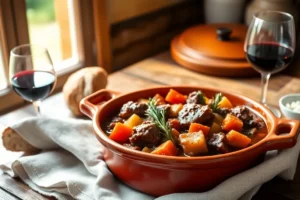
Timo di Sardegna is a versatile herb that enhances both rustic and refined Italian dishes. Its robust flavor pairs exceptionally well with fatty meats, legumes, and aged cheeses.
Traditional Sardinian Applications
- Pecorino con Timo – Fresh pecorino cheese rolled in crushed Timo di Sardegna, served as an appetizer.
- Porceddu – Suckling pig roasted with sprigs of Timo, garlic, and myrtle.
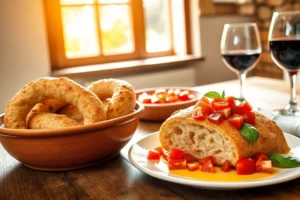
- Pane Carasau – The crispy flatbread is often brushed with olive oil and sprinkled with Timo before baking.
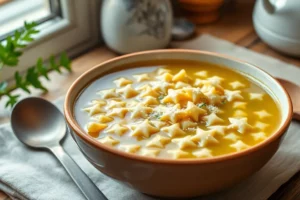
- Zuppa Gallurese – A layered bread and broth soup where Timo adds depth.
General Italian Uses
- Infuse olive oil with Timo for dipping bread or drizzling over grilled vegetables.
- Add to tomato sauces for pasta or pizza to balance acidity.
- Rub onto lamb or chicken before roasting.
- Mix with breadcrumbs and garlic for a classic gremolata variation.
“Timo di Sardegna is not just an herb; it is the scent of the Sardinian maquis, captured and preserved.” – Chef Giovanni Ruggiero, Michelin-starred restaurant Su Gologone
How to Choose/Identify Authentic Timo
To ensure you are purchasing genuine Timo di Sardegna PDO, follow these guidelines:
- Look for the PDO logo – The official EU PDO seal and the consortium’s mark must appear on the packaging.
- Check the origin – The label should state “Prodotto in Sardegna” (Produced in Sardinia) and include the producer’s details.
- Examine the leaves – Authentic Timo has small, curled leaves with a grayish-green hue; the aroma is intensely camphoraceous and slightly floral.
- Avoid generic “thyme” – Common thyme (Thymus vulgaris) is milder and lacks the PDO guarantee. If the price seems too low, it is likely not authentic.
- Buy from reputable sources – Specialty Italian grocers, online PDO retailers, or directly from Sardinian producers.
Substitutes
If Timo di Sardegna is unavailable, these Italian herbs can serve as substitutes, though each imparts a different character:
- Rosmarino (Rosemary) – Stronger, pine-like flavor; ideal for roasted meats and potatoes. Use sparingly.
- Origano (Oregano) – More pungent and slightly bitter; works well in tomato-based dishes and on pizza.
- Maggiorana (Marjoram) – Milder and sweeter; good for delicate sauces and poultry.
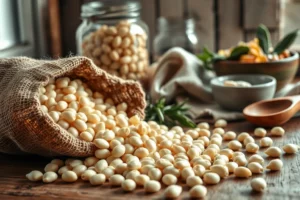
- Santoreggia (Savory) – Peppery and thyme-like; best in bean dishes and stuffings.
For the closest match, combine equal parts dried marjoram and savory. However, for authentic Sardinian recipes, seek out genuine Timo di Sardegna.
Conclusion
Timo di Sardegna represents the pinnacle of Italian aromatic herbs, protected by PDO status to preserve its unique terroir and traditional production. Whether used in a simple marinade or a complex stew, this wild thyme elevates dishes with its intense, complex aroma. By understanding its grades, culinary applications, and authenticity cues, you can bring a true taste of Sardinia to your kitchen.
FAQ
What is Timo di Sardegna?
Timo di Sardegna is a Protected Designation of Origin (PDO) wild thyme from Sardinia, Italy. It is harvested from specific native varieties (Thymus capitatus and Thymus herba-barona) and dried naturally, resulting in a highly aromatic herb with a camphoraceous, spicy profile.
How is Timo di Sardegna different from common thyme?
Common thyme (Thymus vulgaris) is milder and lacks the PDO guarantee. Timo di Sardegna has a more intense, complex aroma due to the unique terroir of Sardinia and traditional harvesting methods. It is also subject to strict quality controls.
Can I use dried Timo instead of fresh?
Yes, dried Timo di Sardegna is the most common form and is excellent for cooking. It has a concentrated flavor that works well in marinades, sauces, and roasts. Fresh Timo is rare outside Sardinia but can be used similarly, though with a slightly milder taste.
Leave a Reply