
Short Answer
What It Is
Segale is the Italian term for rye (Secale cereale), a hardy cereal grain that has been cultivated in Italy’s mountainous and marginal lands for centuries. Unlike common wheat, rye thrives in poor, acidic soils and cooler climates, making it a staple in regions such as Trentino-Alto Adige, Lombardy, Friuli-Venezia Giulia, and the Apennines of Marche and Umbria. Its deep root system and resilience to harsh winters have historically made it a reliable crop for subsistence farming.
In Italy, segale is most famously associated with Pane di Segale di Montefeltro, a Protected Geographical Indication (PGI) bread from the Montefeltro area in Marche. This designation ensures that the bread is made with at least 60% local rye flour, stone-ground, and baked according to traditional methods. Other regional varieties include Pane di Segale della Val Camonica and Pane di Segale della Valtellina, each with unique characteristics shaped by local terroir.
Nutritionally, segale is prized for its high fiber content, lower glycemic index compared to wheat, and rich mineral profile (magnesium, phosphorus, B vitamins). Its distinct, slightly sour flavor comes from the presence of phenolic compounds and the fermentation process typical of rye doughs.
Types & Grades
Italian segale is classified primarily by the fineness of milling and the degree of bran removal. The following table outlines the common grades used in professional and home kitchens:
| Grade | Description | Common Uses |
|---|---|---|
| Farina di Segale Integrale | Whole-grain rye flour, containing all parts of the kernel. Dark in color, high in fiber. | Traditional rustic breads, dense loaves, crispbreads. |
| Farina di Segale Media | Medium extraction flour, with some bran sifted out. Lighter color, milder flavor. | Mixed wheat-rye breads, pastries, pancakes. |
| Farina di Segale Bianca | White rye flour, mostly endosperm. Very light, low fiber, mild taste. | Fine pastries, crackers, as a thickener for sauces. |
| Segale in Chicchi | Whole rye berries, hulled but unground. | Boiled as a grain side dish, added to soups, or sprouted. |
Additionally, some artisanal producers offer Segale Germogliata (sprouted rye flour), which is made from germinated grains and has enhanced digestibility and sweetness.
How It’s Used in Cooking
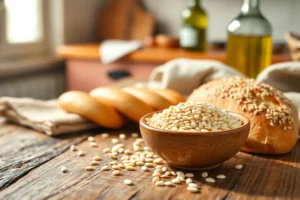
In Italian cuisine, segale is most iconic in bread-making. The dense, moist crumb and earthy tang of Pane di Segale pair beautifully with cured meats, aged cheeses, and pickled vegetables. Traditional recipes often combine rye flour with wheat flour to improve gluten structure, as rye has low gluten content.
Signature Dishes
- Pane di Segale di Montefeltro PGI – A dark, sourdough bread with a thick crust, often flavored with fennel seeds or caraway.
- Pane di Segale della Val Camonica – A dense loaf from Lombardy, sometimes enriched with lard or olive oil.
- Biscotti di Segale – Rustic cookies made with rye flour, honey, and nuts, typical of Alpine regions.
- Polenta di Segale – A hearty porridge from Friuli, where rye berries are coarsely ground and cooked like polenta, often served with stews.
- Gnocchi di Segale – A gluten-free alternative to potato gnocchi, using rye flour and ricotta.
“Il pane di segale è il pane della montagna: sostanzioso, profumato, capace di accompagnare i sapori forti dei formaggi e dei salumi.” – Traditional saying from the Marche region.
Beyond bread, segale is used in distilleries to produce grappa di segale (rye grappa) and some craft beers. In modern gastronomy, chefs incorporate rye flour into pasta, pizza dough, and even desserts for its nutty, slightly sour notes.
How to Choose/Identify Authentic SEGALE
When purchasing segale products, especially for traditional Italian recipes, authenticity is key. Follow these guidelines:
- Look for DOP/PGI labels – For bread, seek Pane di Segale di Montefeltro PGI or other protected designations. These guarantee origin and traditional methods.
- Check the flour type – Authentic Italian rye flour is often stone-ground and labeled with the region of origin (e.g., “Farina di Segale della Valtellina”). Avoid overly refined white rye flour for traditional bread.
- Examine color and texture – Whole-grain rye flour should be dark greyish-brown with visible bran flecks. It should feel slightly coarse and have a distinct earthy aroma.
- Read the ingredient list – Pure segale products should list only rye flour (and possibly salt or sourdough starter). Avoid additives like dough conditioners or artificial preservatives.
- Source from reputable Italian mills – Brands such as Molino Rossetto, Molino Spadoni, or Mulino Marino offer high-quality, traceable rye flours.
For whole rye berries, choose plump, uniform grains with no signs of moisture or mold. Store in a cool, dry place in an airtight container.
Substitutes
While segale has a unique flavor and nutritional profile, several Italian grains can serve as substitutes in specific applications:
- Farro (emmer wheat) – Offers a nutty, chewy texture similar to rye. Use farro flour in breads or whole farro in soups. It is more gluten-rich, so it works well in mixed doughs.
- Spelta (spelt) – An ancient wheat with a mild, slightly sweet flavor. Spelt flour can replace rye in pastries and some breads, though it lacks the characteristic tang.
- Grano Saraceno (buckwheat) – Despite its name, buckwheat is not a wheat. It is gluten-free and has a strong, earthy flavor. Use buckwheat flour in pancakes, pasta, or as a thickener. It pairs well with dairy and mushrooms.
- Farina di Mais (cornmeal) – For polenta-like dishes, cornmeal can replace coarsely ground rye. It yields a sweeter, more yellow porridge.
When substituting, note that rye’s low gluten content and high pentosan levels affect dough hydration and fermentation. Adjust liquid amounts and consider adding vital wheat gluten if using rye flour in yeast-risen breads.
In conclusion, segale is a cornerstone of Italy’s mountain gastronomy, offering robust flavor and nutritional benefits. Whether you are baking a traditional Pane di Segale or experimenting with rye in modern recipes, understanding its origins and grades will elevate your culinary results. Seek out authentic, regionally labeled products to experience the true taste of Italian rye.
FAQ
Is segale gluten-free?
No, segale (rye) contains gluten, though in lower amounts than wheat. It is not suitable for a gluten-free diet. However, some people with mild gluten sensitivities tolerate rye better than wheat due to its different gluten composition.
What is the difference between segale and farro?
Segale is rye (Secale cereale), while farro is an ancient wheat species (Triticum dicoccum). Farro has a higher gluten content and a sweeter, nuttier flavor. Both are used in Italian cuisine, but farro is more common in central Italy, whereas segale is typical of northern mountainous regions.
How should I store Italian rye flour?
Store rye flour in an airtight container in a cool, dark place (pantry or refrigerator). Because rye flour contains more natural oils from the germ, it can go rancid faster than white wheat flour. For long-term storage, keep it in the freezer. Whole rye berries can be stored in a sealed container in a cool, dry place for up to a year.
Leave a Reply