
Short Answer
What It Is
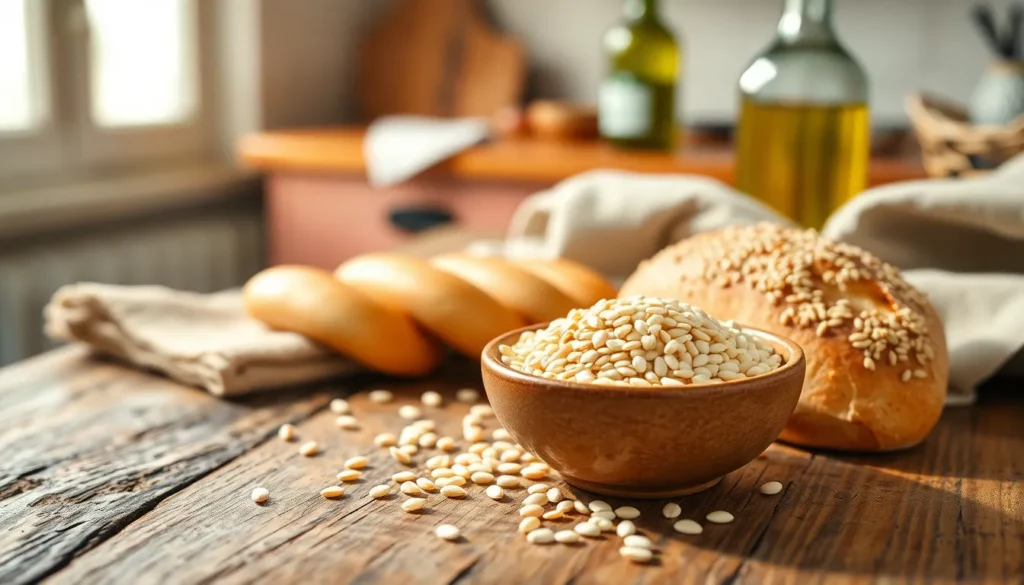
Semi di sesamo, the Italian term for sesame seeds, are the small, oil-rich seeds of the Sesamum indicum plant, one of the oldest oilseed crops known to humanity. While sesame is not native to Italy, its use in Italian gastronomy dates back to ancient Roman times, when the seeds were imported from the East and valued for their flavor and medicinal properties. Today, sesame seeds are cultivated on a modest scale in southern Italy, particularly in Sicily and Puglia, where the warm, dry climate mimics their native habitat. However, the majority of semi di sesamo used in Italian kitchens are imported from India, Ethiopia, and Central America. Despite their foreign origins, these seeds have become integral to many regional Italian specialties, from the crisp taralli of Puglia to the sweet biscotti of Sicily. There is no DOP or PGI designation specifically for semi di sesamo, but they are often a key component in DOP-protected products such as Taralli di Puglia (PGI) and Pane di Altamura (DOP), where they are used as a topping or inclusion.
Types & Grades
Semi di sesamo are available in several varieties, each offering distinct flavor profiles and culinary applications. The table below outlines the most common types and grades found in Italian markets and professional kitchens.
| Type | Color | Flavor | Common Uses | Grade |
|---|---|---|---|---|
| White Sesame | Pale cream | Mild, nutty, slightly sweet | Baking (taralli, bread), garnishing, tahini | Raw, hulled or unhulled |
| Black Sesame | Deep black | Earthy, more intense, slightly bitter | Decorative topping, Asian-inspired dishes, artisanal breads | Raw, unhulled |
| Brown Sesame | Light brown | Nutty, robust | Traditional Italian baking, crusts for fish or meat | Raw, unhulled |
| Toasted Sesame | Golden brown | Rich, toasty, aromatic | Salads, pasta dishes, finishing oil | Pre-toasted (check for freshness) |
| Hulled vs. Unhulled | White (hulled) vs. tan (unhulled) | Hulled: milder, smoother; Unhulled: more fiber, stronger flavor | Hulled for tahini; unhulled for rustic breads | Organic, conventional |
Grades are typically determined by origin, cultivation method (organic vs. conventional), and processing. Italian-grown semi di sesamo, though rare, are highly prized for their freshness and are often sold in specialty shops with a premium price. Imported seeds are graded by size, color uniformity, and oil content.
How It’s Used in Cooking
In Italian cuisine, semi di sesamo are employed both as a primary ingredient and as a finishing touch. Their versatility shines in traditional recipes across the peninsula.
Baking and Breads
The most iconic use is in taralli al sesamo, the classic Pugliese snack. These small, ring-shaped biscuits are made from flour, olive oil, white wine, and salt, then generously coated with semi di sesamo before baking. The seeds provide a nutty crunch and a subtle flavor that complements the crisp, savory dough. Similarly, pane di sesamo (sesame bread) is a staple in many southern Italian bakeries, where the seeds are sprinkled on top of loaves before baking, creating a golden, aromatic crust.
Confectionery
In Sicily, biscotti al sesamo (sesame cookies) are a beloved treat, often made with honey, almonds, and lemon zest. The seeds add texture and a toasty note that balances the sweetness. Another specialty is cubbaita, a sesame and honey nougat similar to giurgiulena, traditionally prepared during Christmas.
Savory Dishes
Semi di sesamo are also used as a crust for fish (e.g., tonno al sesamo) or chicken, providing a crunchy exterior when pan-seared. In Liguria, a modern twist on pesto incorporates toasted sesame seeds instead of pine nuts, creating pesto di sesamo, though this is not a traditional recipe. Chefs often sprinkle toasted seeds over pasta dishes, salads, or roasted vegetables for added depth.
“Il sesamo è un ingrediente che parla di antichi scambi commerciali e di sapori che attraversano il Mediterraneo. In Italia, lo abbiamo fatto nostro, trasformandolo in un simbolo di croccantezza e tradizione.” — Maria Grazia Soncini, food historian
How to Choose/Identify Authentic Semi di Sesamo
For both home cooks and professional buyers, selecting high-quality semi di sesamo is essential to achieving the best flavor and texture. Follow these guidelines:
- Check the origin: While Italian-grown seeds are rare, they offer superior freshness. Look for “Prodotto in Italia” on the label. For imported seeds, prefer those from Ethiopia or India, which are known for high oil content.
- Examine the appearance: Authentic seeds should be uniform in color, free from clumps, and have a natural sheen. Avoid seeds that appear dull, dusty, or have an uneven color, as these may be old or poorly processed.
- Smell test: Fresh semi di sesamo have a mild, nutty aroma. If they smell rancid or musty, they are past their prime. Toasted seeds should have a rich, toasty scent without any burnt notes.
- Certifications: Look for organic certification (e.g., EU Organic logo) if you prefer pesticide-free seeds. For commercial buyers, suppliers should provide documentation of origin and batch testing for aflatoxins.
- Packaging: Seeds should be sold in opaque, airtight packaging to protect them from light and moisture. Avoid bulk bins where seeds may be exposed to air for long periods.
- Harvest date: Freshness matters. Ask for the harvest year; seeds are best used within one year of harvest.
Substitutes
When semi di sesamo are unavailable or you wish to experiment, several Italian seeds can serve as substitutes, each bringing a unique character to the dish.
- Semi di papavero (poppy seeds): These tiny blue-black seeds have a mild, nutty flavor and a similar crunch. They are excellent in baking, especially for taralli or bread toppings, though they lack the toasty notes of sesame.
- Semi di lino (flax seeds): Golden or brown flax seeds offer a nutty taste and a boost of omega-3s. They work well in doughs and as a crust, but they have a softer texture and can become sticky when wet.
- Semi di girasole (sunflower seeds): Hulled sunflower seeds are larger and have a more pronounced earthy flavor. They are a good substitute in granola, salads, or as a topping for bread, but they do not adhere as well to dough.
- Semi di zucca (pumpkin seeds): These flat, green seeds have a rich, nutty flavor and a satisfying crunch. They are ideal for crusts on fish or chicken and can be used in pesto, though their color may alter the dish’s appearance.
When substituting, consider the flavor profile and texture. For recipes where sesame is the star (e.g., taralli), poppy seeds are the closest match. For crusts, pumpkin seeds provide a robust alternative.
In conclusion, semi di sesamo are a humble yet essential ingredient in Italian cuisine, bridging ancient trade routes with modern culinary creativity. Whether sprinkled on a rustic loaf or ground into a creamy tahini, these seeds add depth, nutrition, and a touch of history to every dish. By understanding their types, uses, and how to select the best, you can elevate your cooking with the authentic flavor of Italy.
FAQ
Are semi di sesamo the same as regular sesame seeds?
Yes, 'semi di sesamo' is simply the Italian name for sesame seeds. They are the same seeds from the Sesamum indicum plant, used in Italian cuisine in both traditional and modern recipes.
Can I use black sesame seeds instead of white in Italian recipes?
Yes, but be aware that black sesame seeds have a stronger, earthier flavor and can darken the dish. They are best used in recipes where their color and taste are desired, such as in artisanal breads or as a decorative topping. For classic taralli, white sesame seeds are preferred for their mild flavor and traditional appearance.
How should I store semi di sesamo to keep them fresh?
Store sesame seeds in an airtight container in a cool, dark place, such as a pantry or refrigerator. They can also be frozen for longer storage. Always check for rancidity by smelling before use; fresh seeds have a nutty aroma, while rancid seeds smell like old oil.
Leave a Reply