
Short Answer
What Is Acqua Minerale? Italian Mineral Water Explained
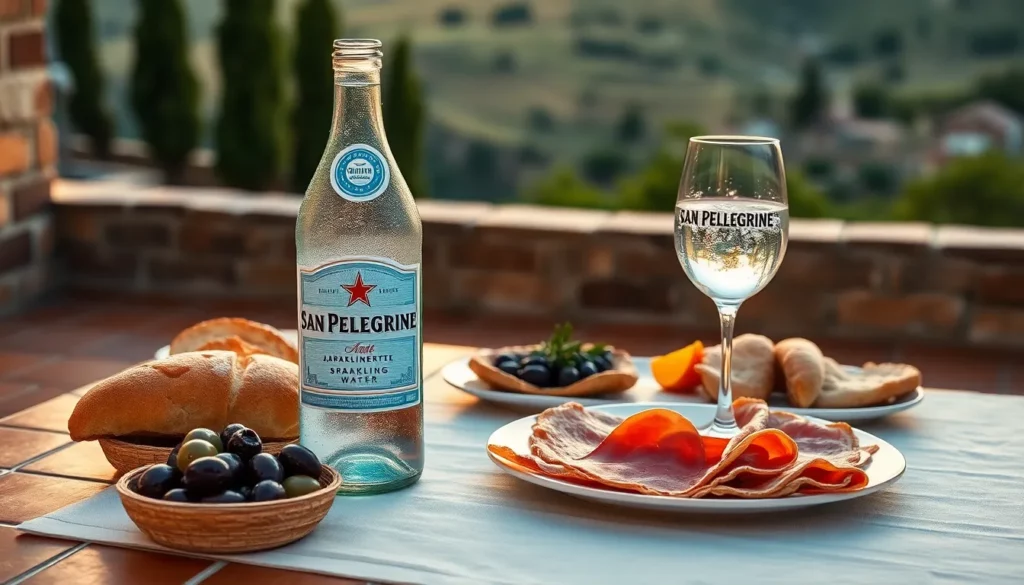
Acqua minerale (mineral water) in Italy refers to natural spring water that is bottled at the source and contains a specific, stable mineral composition. Unlike ordinary drinking water, it is not chemically treated and must meet strict Italian and European regulations to be labeled as such. Italy boasts over 300 recognized mineral water springs, each with a unique profile of minerals such as calcium, magnesium, sodium, and bicarbonates. Acqua minerale is a staple of Italian dining, often served with meals, and is prized for its perceived health benefits and regional identity.
Origin & History
The tradition of consuming mineral water in Italy dates back to ancient Roman times, when thermal springs were used for both bathing and drinking. The Romans built elaborate bath complexes around these springs, such as those at Saturnia and Fiuggi, and recognized the therapeutic properties of mineral-rich waters. During the Renaissance, the study of mineral waters advanced, and by the 19th century, commercial bottling began. The first Italian mineral water brand, Ferrarelle, was established in 1893. Today, Italy is one of the world’s largest consumers and exporters of mineral water, with brands like San Pellegrino and Acqua Panna known globally. The Italian government strictly regulates the classification and labeling of mineral water, ensuring authenticity and quality.
What’s In It
Acqua minerale is defined by its mineral content, which varies by source. Core components include calcium, magnesium, potassium, sodium, bicarbonates, sulfates, and chlorides. The total dissolved solids (TDS) determine whether the water is classified as low-mineral (TDS 1500 mg/L). Unlike tap water, it is not disinfected with chlorine or other chemicals. The taste and mouthfeel are directly influenced by the mineral balance. For example, high bicarbonate content gives a slightly alkaline taste, while high sodium can impart a salty note. It is important to differentiate acqua minerale from acqua di rubinetto (tap water) and acqua frizzante (sparkling water), which may be artificially carbonated. Natural sparkling mineral water, such as San Pellegrino, contains naturally occurring carbon dioxide from the spring.

Regional Variations
Italy’s diverse geology produces a wide range of mineral waters. Below is a comparison of three major regional types:
| Region | Famous Brand | Mineral Profile | Characteristics |
|---|---|---|---|
| Lombardy (Bergamo) | San Pellegrino | High in calcium, magnesium, and bicarbonates; TDS ~1100 mg/L | Natural effervescence, slightly salty, pairs well with rich foods |
| Tuscany (Florence) | Acqua Panna | Low in sodium, balanced calcium and bicarbonates; TDS ~200 mg/L | Still, smooth, neutral taste, ideal for delicate dishes |
| Lazio (Fiuggi) | Fiuggi | Very low in sodium, rich in calcium and magnesium; TDS ~150 mg/L | Light, diuretic properties, historically used for kidney health |
Other notable regional waters include Ferrarelle (Campania, naturally sparkling with high bicarbonate), Lete (Campania, low mineral), and Sant’Anna (Piedmont, very low sodium). Each region takes pride in its local water, and many restaurants serve water from the nearest source.
How It’s Traditionally Eaten
Acqua minerale is not eaten but drunk, and it plays a specific role in Italian dining. It is typically served as a beverage alongside meals, not as a standalone drink. Italians often order acqua naturale (still) or acqua frizzante (sparkling) with their meal. It is placed on the table in a bottle or carafe, and each diner pours their own. It is consumed throughout the meal to cleanse the palate and aid digestion. Unlike in some cultures, mineral water is not usually served with ice (which is considered to alter the taste) and is often at room temperature or slightly chilled. It is an everyday staple, not reserved for special occasions, though premium brands may be chosen for formal dinners. Pairing mineral water with food is an art: light, still water complements delicate seafood and vegetables, while sparkling, mineral-rich water stands up to hearty meats and aged cheeses.
Common Mistakes / What It’s Not
One common misconception is that all bottled water in Italy is mineral water. In fact, many brands labeled acqua di sorgente (spring water) do not meet the strict mineral content requirements for the minerale designation. Another mistake is assuming that acqua frizzante is always naturally sparkling; many brands add carbonation artificially. True acqua minerale frizzante must have natural CO2 from the source. Additionally, some tourists believe that Italian mineral water is heavily chlorinated or treated, but by law it cannot be chemically disinfected. Finally, it is not a substitute for tap water in cooking—its mineral content can alter the taste of dishes, especially delicate ones like risotto or coffee.
Where to Try It / What to Order
To experience authentic Italian mineral water, visit the source regions. In San Pellegrino Terme (Lombardy), you can tour the San Pellegrino spring and taste the water directly. In Tuscany, the Acqua Panna estate offers tastings and tours. In Lazio, the town of Fiuggi has public fountains where you can drink the water for free. In restaurants across Italy, simply ask for acqua minerale naturale or frizzante. For a curated experience, look for acque di territorio (local waters) on the menu. When ordering, specify naturale (still) or frizzante (sparkling). If you want a specific brand, name it—most restaurants carry at least one local and one national brand.
Related Dishes
FAQ
What is the difference between acqua minerale and acqua di sorgente?
Acqua minerale must have a stable mineral composition and cannot be chemically treated, while acqua di sorgente (spring water) may have variable mineral content and can undergo treatment. Only acqua minerale is regulated by specific Italian and EU laws.
Is all Italian sparkling water naturally carbonated?
No. Only acqua minerale frizzante that is labeled as 'naturale' or 'con gas naturale' contains natural carbon dioxide from the source. Many brands add carbonation artificially; these are labeled 'acqua gassata' or 'acqua frizzante addizionata'.
Why do Italians drink mineral water with meals instead of tap water?
Italians value the taste and perceived health benefits of mineral water. Tap water quality varies by region, and mineral water is seen as a complement to food, enhancing the dining experience. It is also a matter of tradition and regional pride.
Can I cook with acqua minerale?
Yes, but it may alter the taste of dishes due to its mineral content. For delicate recipes like risotto or coffee, it is better to use low-mineral water. Some chefs use specific mineral waters to enhance flavors, e.g., high-bicarbonate water for pasta.
What is the best way to order mineral water in an Italian restaurant?
Simply say 'Acqua minerale naturale, per favore' for still water, or 'Acqua minerale frizzante, per favore' for sparkling. If you want a specific brand, add 'di marca [brand name]'. The waiter will bring a bottle and glasses.

Leave a Reply