
Short Answer
What Is Asiago? Italian DOP Cheese Explained
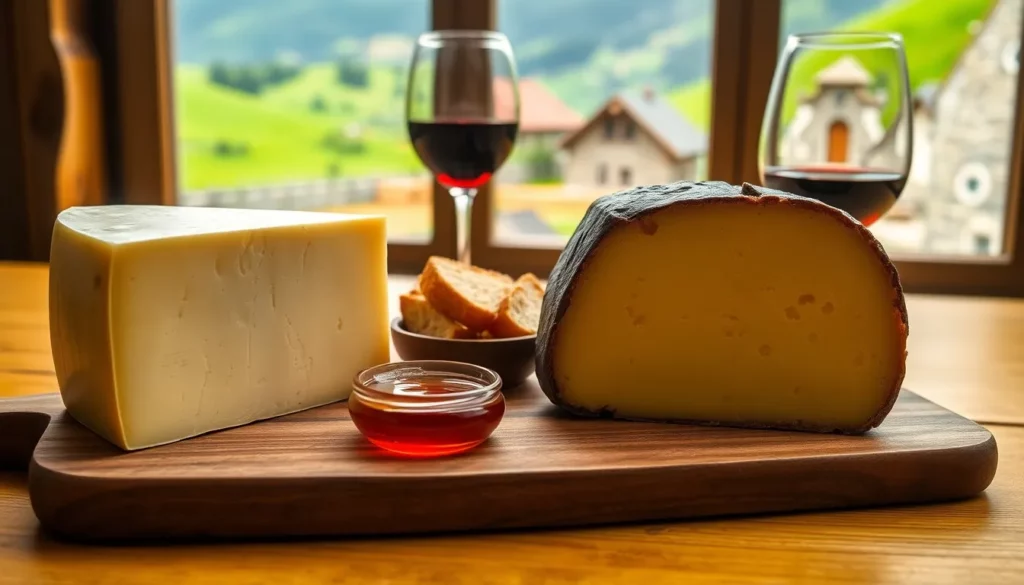
Asiago is a semi-hard to hard Italian cheese made from cow’s milk, produced exclusively in the provinces of Vicenza, Trento, and Padua, primarily on the Asiago plateau. It is a Protected Designation of Origin (DOP) cheese, meaning its production, aging, and origin are strictly regulated by Italian and EU law. Asiago comes in two main varieties: Asiago pressato (fresh, soft, and mild) and Asiago d’allevo (aged, firm, and pungent). The cheese is known for its pale straw color, smooth texture when young, and granular, crumbly texture when aged. Its flavor evolves from milky and buttery to nutty and sharp with age.
Origin & History
The history of Asiago cheese is deeply rooted in the pastoral traditions of the Asiago plateau, a highland area in the Veneto region of northeastern Italy. Archaeological evidence suggests that cheese-making in this area dates back to the Roman era, but the first written records of a cheese called “Asiago” appear in the Middle Ages, around the 11th century. The cheese was originally made from sheep’s milk by local shepherds, but by the 16th century, cow’s milk became predominant as dairy farming expanded. The name “Asiago” itself derives from the town of Asiago, the main center of the plateau. In 1978, Asiago was granted DOP status, and in 1996 it received EU recognition. A unique cultural anecdote: during World War I, the Asiago plateau was a fierce battleground, and local cheese-makers hid their wheels in caves to protect them from destruction. Today, the cheese is a symbol of resilience and tradition.
What’s In It
Asiago is made from whole or partially skimmed cow’s milk, depending on the variety. The core ingredients are milk, rennet, salt, and starter cultures. The production process differs for the two main types:

- Asiago pressato (fresh): The curd is cut into small pieces, cooked at a lower temperature (around 40°C), and pressed into molds. It is aged for only 20–40 days, resulting in a soft, elastic texture and a mild, milky flavor.
- Asiago d’allevo (aged): The curd is cut into larger pieces, cooked at a higher temperature (around 48°C), and then left to drain without pressing. It is aged for a minimum of 60 days, but often for 6 months to over 2 years. During aging, the cheese develops a hard, granular rind and a sharp, nutty flavor. Subtypes include Asiago Mezzano (aged 3–6 months) and Asiago Vecchio (aged over 1 year).
Unlike similar Italian cheeses such as Parmigiano-Reggiano, Asiago is not made with raw milk (though some artisanal versions may be), and its aging process is shorter. It also differs from Grana Padano in that it is not a grana-type cheese; its texture is more pliable when young.
Regional Variations
While Asiago DOP is strictly defined by its production area, subtle variations exist within the region and in neighboring areas:
| Region | Characteristic |
|---|---|
| Veneto (Asiago plateau) | The heartland of production. Here, both pressato and d’allevo are made, with a focus on traditional methods. The milk comes from local cows (often of the Frisona or Bruna breeds) grazing on alpine pastures, giving the cheese a distinct herbal note. |
| Trentino (Trento province) | Asiago is also produced in the Trentino part of the DOP zone. The cheese here tends to be slightly more intense due to the higher altitude pastures and a longer aging tradition. Some producers use a mix of cow and sheep milk, though this is rare. |
| Padua (lowland areas) | In the lower-lying parts of the DOP zone, Asiago pressato is more common, as the climate is warmer and the milk is less rich. The fresh cheese is often used in local dishes like risotto al Asiago. |
Outside the DOP area, imitations exist, but they lack the terroir and regulatory oversight.
How It’s Traditionally Eaten
Asiago is a versatile cheese that appears in multiple courses of an Italian meal:
- Antipasto: Fresh Asiago pressato is often served sliced with cured meats, olives, and honey. Aged Asiago d’allevo is grated over salads or served in chunks with fruit.
- Primo: Grated aged Asiago is used in pasta dishes (e.g., pasta al Asiago), risottos, and soups. It melts well, making it ideal for creamy sauces.
- Secondo: Asiago is sometimes melted over grilled vegetables, polenta, or meat dishes like ossobuco.
- Contorno: A simple side of polenta topped with melted Asiago is a classic.
- Snack: Fresh Asiago is a common snack for children, often eaten with bread.
Occasions: Fresh Asiago is an everyday cheese, while aged Asiago is reserved for special meals or as a grating cheese for festive dishes. It is also a key ingredient in the traditional fonduta (fondue) of the Veneto region.
Common Mistakes / What It’s Not
Many misconceptions surround Asiago, especially outside Italy:
- It’s not a generic “Italian cheese”: Authentic Asiago must be DOP-labeled. Many mass-produced “Asiago” cheeses in the US are made from pasteurized milk and aged artificially, lacking the complexity of the real product.
- It’s not only a grating cheese: While aged Asiago is excellent grated, the fresh pressato is a table cheese meant to be eaten as is.
- It’s not the same as Parmesan: Asiago d’allevo is sometimes used as a substitute for Parmigiano-Reggiano, but it has a different flavor profile (less umami, more nutty) and a softer texture.
- It’s not a blue cheese: Despite some aged varieties having a strong aroma, Asiago is never blue-veined.
- It’s not a cheese for melting at high heat: Fresh Asiago can become stringy if overheated; it’s best melted gently.
Where to Try It / What to Order
To experience authentic Asiago, visit the Asiago plateau in the Veneto region. The town of Asiago itself hosts the Festa del Formaggio Asiago in September, where you can taste different ages and meet producers. In cities like Vicenza, Padua, and Verona, look for formaggerie (cheese shops) that display the DOP logo. When ordering, specify:
- “Asiago pressato” for fresh, soft cheese.
- “Asiago d’allevo” for aged cheese, and ask for the age (e.g., “mezzano” for 3–6 months, “vecchio” for over 1 year).
- “Asiago DOP” to ensure authenticity.
For a culinary experience, try risotto al Asiago at a local trattoria, or a polenta e Asiago as a side dish. Many agriturismi on the plateau offer cheese tastings with local wines like Breganze or Soave.
Related Dishes
FAQ
What is the difference between Asiago pressato and Asiago d'allevo?
Asiago pressato is a fresh cheese aged 20–40 days, with a soft, elastic texture and mild, milky flavor. Asiago d'allevo is aged for at least 60 days (often much longer), resulting in a hard, granular texture and a nutty, sharp flavor. Pressato is eaten as a table cheese, while d'allevo is often grated or used in cooking.
Is Asiago cheese lactose-free?
Aged Asiago d'allevo (especially Vecchio) contains very low levels of lactose, as most lactose is broken down during aging. Fresh Asiago pressato still contains some lactose, so individuals with severe lactose intolerance should consume it in moderation or choose aged varieties.
Can I substitute Asiago for Parmesan in recipes?
Yes, aged Asiago d'allevo can be used as a substitute for Parmigiano-Reggiano in many recipes, though it has a slightly milder, less umami flavor. Fresh Asiago pressato is not a good substitute for Parmesan due to its soft texture and high moisture content.
How should I store Asiago cheese?
Wrap Asiago in wax paper or cheese paper, then place it in a loose plastic bag or container in the refrigerator. Fresh pressato should be used within a week; aged d'allevo can last for several weeks if stored properly. Avoid freezing, as it alters the texture.
What wine pairs well with Asiago?
Fresh Asiago pressato pairs with light, crisp white wines like Soave or Pinot Grigio. Aged Asiago d'allevo complements medium-bodied reds such as Valpolicella, Bardolino, or a fruity Merlot. For very aged Vecchio, try a full-bodied red like Amarone or a sweet wine like Recioto.
Leave a Reply