
Short Answer
What It Is
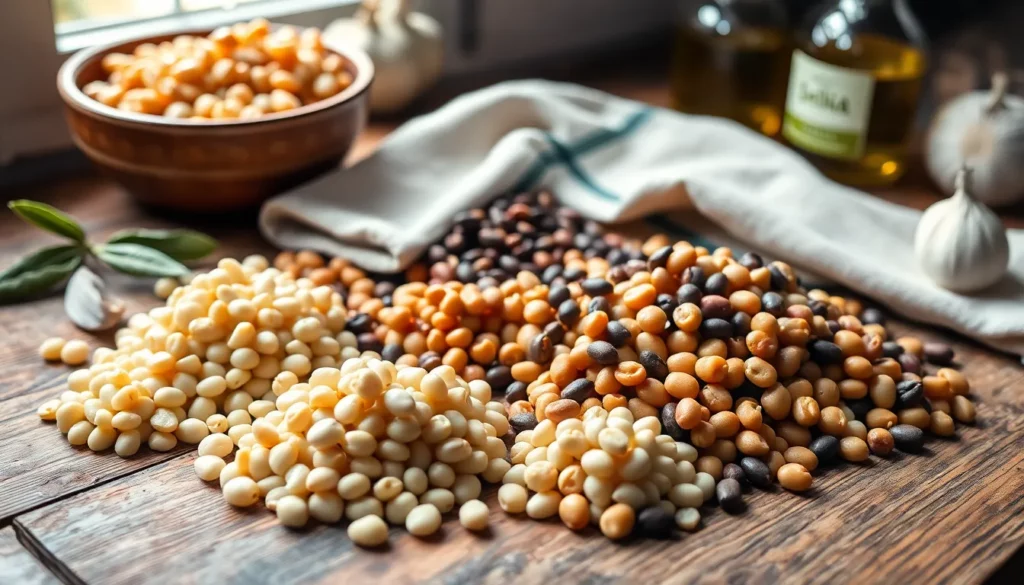
Fagioli (Italian for beans) are the edible seeds of various plants in the genus Phaseolus, primarily Phaseolus vulgaris, which were introduced to Europe from the Americas in the 16th century. In Italy, beans have become a cornerstone of regional cuisines, celebrated for their versatility, nutritional value, and ability to absorb flavors. Italy boasts several Protected Designation of Origin (DOP) and Protected Geographical Indication (PGI) bean varieties, each tied to specific terroirs and traditional cultivation methods. Notable examples include Fagiolo di Sorana (PGI), a delicate white bean from Tuscany; Fagiolo Cannellino di Atina (DOP), a creamy bean from Lazio; and Fagiolo di Lamon (DOP), a speckled bean from Veneto. These certifications ensure that the beans are produced, processed, and prepared according to strict regulations within their designated regions, preserving centuries-old agricultural practices.
Types & Grades
Italian fagioli are classified by variety, size, color, and intended use. Below is a table of major types and their characteristics:
| Variety | Region | Color/Appearance | Texture & Flavor | DOP/PGI Status |
|---|---|---|---|---|
| Cannellino | Lazio (Atina) | White, kidney-shaped | Creamy, buttery, thin skin | DOP |
| Borlotto | Lombardy, Piedmont | Speckled red/cream | Meaty, nutty, holds shape | PGI (Lingua di Fuoco) |
| Lamon | Veneto (Lamon) | Speckled brown/white | Firm, earthy, sweet | DOP |
| Sorana | Tuscany (Sorana) | White, small, oval | Delicate, thin skin, creamy | PGI |
| Zolfino | Tuscany | Yellow, small | Sweet, floury, quick-cooking | Slow Food Presidium |
| Fagiolo di Pigna | Liguria | White, small, round | Buttery, tender | Traditional product |
Grades are typically based on size uniformity, absence of defects, and moisture content. Professional kitchens often prefer dried beans for consistent texture, while fresh (or “freschi”) beans are prized for their short season and delicate flavor.

How It’s Used in Cooking
Fagioli are a staple in Italian cucina povera (peasant cooking), appearing in soups, stews, salads, and pasta dishes. Their ability to absorb aromatics makes them ideal for slow-cooked preparations. Signature dishes include:
- Pasta e Fagioli – A hearty soup from central and southern Italy, combining small pasta (like ditalini) with beans, tomato, and herbs.
- Fagioli all’Uccelletto – Tuscan-style beans simmered with sage, garlic, and tomato, often served as a side dish.
- Ribollita – A thick Tuscan soup made with leftover bread, cavolo nero, and cannellini beans.
- Insalata di Fagioli – Cold bean salads with tuna, red onion, and olive oil, popular in summer.
- Fagioli al Fiasco – Traditional method of cooking beans in a flask (fiasco) with water, garlic, and sage over embers.
In professional kitchens, dried beans are soaked overnight and cooked slowly with aromatics. Fresh beans require shorter cooking times and are often blanched. The cooking liquid (brodo di fagioli) is valued for its flavor and used as a base for soups.
How to Choose/Identify Authentic Fagioli
When purchasing fagioli, look for the following authenticity cues:
- Certification labels: DOP or PGI logos on packaging guarantee origin and production standards.
- Appearance: Uniform size, smooth skin, no cracks or discoloration. Dried beans should be hard and not shriveled.
- Aroma: Fresh, earthy scent; no mustiness or rancidity.
- Packaging: Transparent bags allow inspection; reputable producers include harvest year and origin.
- Variety-specific traits: For example, Cannellino di Atina beans are small, white, and have a distinctive “kidney” shape; Lamon beans have a characteristic speckled pattern.
- Source: Purchase from Italian specialty stores or directly from producers in the region. Avoid generic “Italian-style” beans that may be grown elsewhere.
“Il fagiolo è il re della cucina povera, ma la sua nobiltà sta nella semplicità.” – Traditional Italian saying (The bean is the king of peasant cooking, but its nobility lies in simplicity.)
Substitutes
If a specific Italian bean is unavailable, consider these authentic substitutes:
- Cannellini can be replaced by Great Northern beans (similar size and creaminess) or white kidney beans.
- Borlotto can be substituted with cranberry beans (same speckled appearance and meaty texture).
- Lamon beans are unique; pinto beans offer a similar speckled look and earthy flavor, though not identical.
- Zolfino beans are best replaced by yellow eye beans or small white beans for their quick-cooking, floury texture.
- For fresh beans, fresh cranberry beans or fresh fava beans (in season) can work, though flavor profiles differ.
Always adjust cooking times and seasoning when substituting, as bean varieties vary in starch content and skin thickness.
Conclusion
Fagioli are more than a simple legume; they are a testament to Italy’s agricultural heritage and culinary ingenuity. From the DOP-protected Cannellino di Atina to the rustic Zolfino, each variety offers unique textures and flavors that define regional dishes. By understanding their origins, selecting authentic products, and mastering traditional cooking methods, chefs and home cooks alike can elevate these humble beans to center stage. Whether in a comforting bowl of pasta e fagioli or a refined bean salad, fagioli remain an indispensable ingredient in the Italian kitchen.
FAQ
What is the difference between DOP and PGI for Italian beans?
DOP (Protected Designation of Origin) requires that every stage of production, processing, and preparation occurs in the specific region, ensuring the highest link to terroir. PGI (Protected Geographical Indication) requires that at least one stage (e.g., production or processing) is tied to the region, offering slightly more flexibility. Both certifications guarantee authenticity and traditional methods.
How should I store dried fagioli to maintain freshness?
Store dried beans in an airtight container in a cool, dark, dry place. Avoid exposure to moisture or heat, which can cause spoilage or loss of quality. Properly stored, dried beans can last up to two years, though older beans may require longer cooking times.
Can I use canned fagioli for traditional Italian recipes?
Yes, but for best results, choose high-quality Italian canned beans (e.g., those with DOP certification) and rinse them to remove excess sodium. However, dried beans are preferred for dishes where texture and absorption of flavors are critical, such as in ribollita or fagioli all'uccelletto.
Leave a Reply