
Short Answer
What Is Asprigno? Italian Cheese Explained
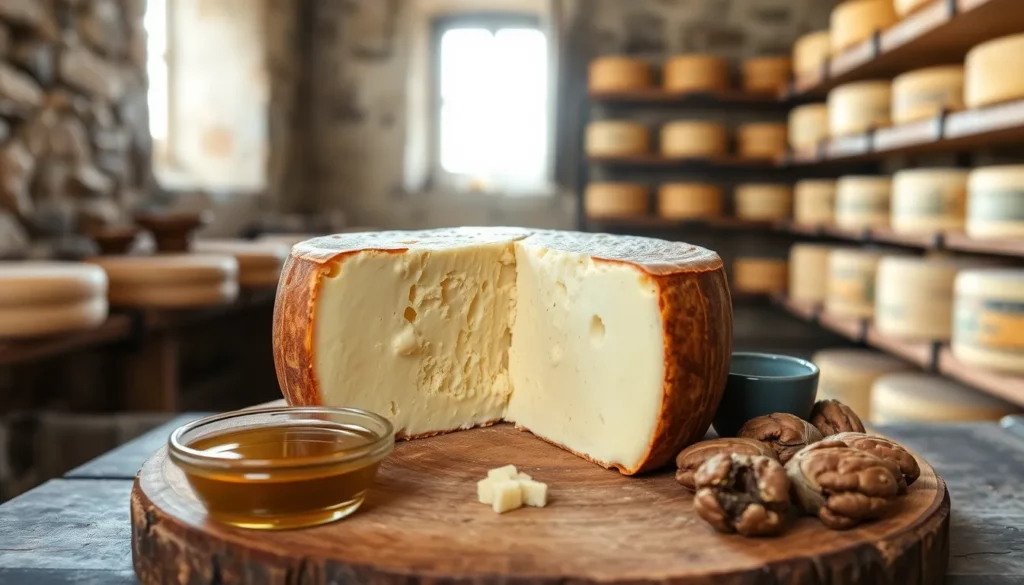
Asprigno is a semi-hard, aged sheep’s milk cheese from the Marche region of central Italy. Its name derives from the Italian word aspro, meaning “sour” or “tart,” which perfectly describes its sharp, tangy flavor. The cheese is traditionally made from raw or pasteurized sheep’s milk, rennet, and salt, then aged for a minimum of six months, often up to a year. Asprigno is typically grated over pasta dishes like pasta alla gricia or served in thin shavings with honey and walnuts. It is a Protected Designation of Origin (PDO) product under Italian law, ensuring its authenticity and regional ties.
Origin & History
Asprigno has been produced in the Marche region since at least the 16th century, with written records from the town of Ascoli Piceno mentioning a “sharp cheese” used by shepherds. The cheese was originally a way to preserve surplus sheep’s milk during the spring lambing season. Historical documents from the 1700s describe Asprigno as a staple in the diet of rural farmers, who would grate it over polenta or bread. Unlike many Italian cheeses that have mythical origin stories, Asprigno’s history is grounded in practical necessity. The cheese’s distinctive sourness comes from the use of natural whey starter cultures and a long aging process in cool, humid caves. Today, only a handful of small dairies in the provinces of Ascoli Piceno and Fermo produce authentic Asprigno, following traditional methods passed down through generations.
What’s In It
Asprigno is made from just three core ingredients: sheep’s milk, rennet, and salt. The milk is typically from the Sopravvissana or Comisana breeds, which graze on the wild herbs of the Marche hills, giving the cheese a grassy, slightly bitter undertone. The production process involves heating the milk to 35°C, adding lamb rennet, and cutting the curd into small grains. After draining, the curd is pressed into molds and salted. The wheels are then aged in natural caves or temperature-controlled rooms at 10–12°C and 85% humidity for 6–12 months. During aging, the cheese develops a hard, brownish rind and a crumbly interior with small eyes. Unlike Pecorino Romano, which is saltier and more buttery, Asprigno has a pronounced acidity and a slightly grainy texture. It is never smoked or flavored with spices, relying solely on the milk and aging for its character.
Regional Variations
While Asprigno is primarily a Marche cheese, similar tangy sheep’s milk cheeses exist in neighboring regions. The table below compares Asprigno with its closest relatives.
| Cheese | Region | Milk | Aging | Flavor |
|---|---|---|---|---|
| Asprigno | Marche | Sheep | 6–12 months | Sharp, tangy, grassy |
| Pecorino Romano | Lazio, Sardinia | Sheep | 5–8 months | Salty, buttery, slightly piquant |
| Canestrato Pugliese | Puglia | Sheep | 4–10 months | Spicy, herbaceous, firm |
| Fiore Sardo | Sardinia | Sheep | 2–6 months | Smoky, nutty, mild |
Within Marche itself, there are subtle differences: Asprigno from the coastal hills tends to be milder, while that from the inland mountains is more acidic due to the higher altitude grazing. Some producers add a small amount of goat’s milk, though this is not traditional.
How It’s Traditionally Eaten
Asprigno is most often used as a grating cheese, similar to Pecorino, but its tangy profile makes it ideal for dishes that need a sharp contrast. It is typically served as a condimento (seasoning) rather than a table cheese. In Marche, it is grated over pasta all’asprigno (pasta with a simple sauce of olive oil, garlic, and chili), or over vincisgrassi, a local lasagna. It can also be shaved over salads or eaten with honey and figs as a dessert course. Asprigno is rarely eaten alone as a snack because of its intense acidity. It is a staple of everyday cooking, not reserved for holidays, though it appears in festive dishes like frittata di pasqua (Easter frittata). Pair it with a dry white wine like Verdicchio dei Castelli di Jesi or a light red like Rosso Piceno.
Common Mistakes / What It’s Not
Many American-Italian recipes mistakenly substitute Pecorino Romano for Asprigno, but the two are not interchangeable. Asprigno is much more acidic and less salty, so using Romano will alter the dish’s balance. Another misconception is that Asprigno is a fresh cheese; in fact, it is always aged. It is also not a blue cheese, despite its sharpness. Some confuse it with Ricotta salata, but that is a pressed, salted whey cheese with a milder flavor. To experience true Asprigno, seek out wheels with the PDO label and avoid pre-grated versions, which often contain anti-caking agents that dull the flavor.
Where to Try It / What to Order
For an authentic taste, visit the Marche region and stop at a caseificio (dairy) in Ascoli Piceno or Fermo. The annual Sagra del Formaggio Asprigno in the town of Offida (held in September) offers tastings and cooking demonstrations. In Rome, specialty cheese shops like Roscioli or Volpetti sometimes carry Asprigno. When ordering, ask for “Asprigno di Marche DOP” and specify whether you want it for grating (aged 12 months) or for eating (aged 6 months). If you cannot find it, a good substitute is aged Pecorino Sardo or Canestrato Pugliese, though the flavor will be less tangy.
Related Dishes
FAQ
What does Asprigno taste like?
Asprigno has a sharp, tangy flavor with grassy and slightly bitter notes. It is much more acidic than Pecorino Romano, with a crumbly texture and a lingering sour finish.
How is Asprigno made?
Asprigno is made from sheep's milk, rennet, and salt. The milk is heated, curdled, cut, pressed, salted, and aged for 6–12 months in natural caves or controlled environments. The long aging develops its characteristic tang.
Can I substitute Asprigno with another cheese?
Aged Pecorino Sardo or Canestrato Pugliese are the closest substitutes, but they lack Asprigno's pronounced acidity. Avoid Pecorino Romano, which is saltier and less tangy.
Is Asprigno a fresh cheese?
No, Asprigno is always aged for at least six months. It is a semi-hard, aged cheese, not a fresh cheese like ricotta or mozzarella.
Where can I buy authentic Asprigno?
Look for wheels labeled 'Asprigno di Marche DOP' in Italian specialty shops or online retailers. The best place is directly from dairies in the Marche region, especially during the Sagra del Formaggio Asprigno in Offida.


Leave a Reply