
Short Answer
What Is Cardi? Italian Vegetable Explained
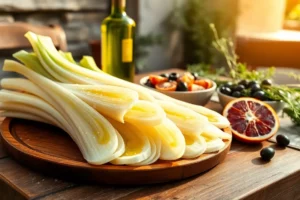
Cardi (pronounced KAR-dee) is the Italian term for cardoons, a thistle-like vegetable in the artichoke family (Cynara cardunculus). Unlike artichokes, where the flower bud is eaten, cardi are cultivated for their thick, fleshy leaf stalks (petioles). The stalks resemble pale, ribbed celery and have a mild, slightly bitter flavor reminiscent of artichoke hearts. Cardi are a classic winter vegetable in central and southern Italy, particularly in Lazio, Campania, Puglia, and Sicily. They are typically harvested after the first frost, which sweetens their taste. The most famous preparation is cardi in tegame (braised cardoons) or cardi gratinati (gratin with béchamel and cheese).
Origin & History
Cardoons have been cultivated since antiquity. The ancient Romans prized them as a vegetable and medicinal plant. Pliny the Elder and Columella described cardoon cultivation in their agricultural writings. The vegetable spread throughout the Mediterranean and became a staple of medieval monastic gardens. In Italy, cardi are especially associated with the Jewish-Roman culinary tradition (cucina ebraico-romanesca), where they are used in dishes like cardi alla giudia (fried cardoons). The vegetable also appears in Renaissance cookbooks, such as Bartolomeo Scappi’s Opera (1570). Today, cardi remain a seasonal specialty, often appearing on Roman menus in winter and during Christmas feasts. Despite their long history, cardi are less known outside Italy, partly due to the labor-intensive preparation required to remove the tough outer fibers.
What’s In It
Cardi are composed of long, pale green or white stalks with a slightly ribbed surface. The edible part is the inner stalk after peeling away the fibrous outer layer. The leaves are not eaten. Core ingredients in traditional cardi preparations include:

- Cardi stalks – fresh, crisp, and trimmed of leaves and tough strings.
- Lemon juice – used in blanching water to prevent discoloration.
- Olive oil – extra virgin for sautéing or braising.
- Garlic – often whole cloves, lightly crushed.
- Anchovies – a classic Roman addition for umami depth.
- Parmigiano-Reggiano or Pecorino Romano – grated for gratin or finishing.
- Béchamel sauce – used in baked cardi gratins.
- Breadcrumbs – for crispy toppings.
Preparation nuances: Cardi must be peeled thoroughly to remove the tough strings (similar to celery). They are then cut into pieces and blanched in acidulated water to soften and preserve color. After blanching, they can be braised, fried, or baked. Unlike artichokes, cardi do not have a choke; the entire peeled stalk is edible. The flavor is more delicate than artichokes, with a subtle bitterness that pairs well with rich sauces.
Regional Variations
Cardi are prepared differently across Italy, reflecting local tastes and traditions. Below is a comparison of three major regional styles:
| Region | Typical Preparation | Key Ingredients | Notes |
|---|---|---|---|
| Lazio (Rome) | Cardi in tegame (braised) or cardi alla giudia (fried) | Anchovies, garlic, olive oil, parsley, lemon | Often served as a contorno (side dish) with roasted meats. The Jewish-Roman version is deep-fried until crispy. |
| Campania (Naples) | Cardi gratinati (gratin) or cardi in pastella (battered and fried) | Béchamel, mozzarella, Parmigiano, breadcrumbs | Baked as a hearty side or appetizer. The batter version is a popular street food during winter festivals. |
| Sicily | Cardi alla siciliana (stewed with tomatoes) | Tomatoes, capers, olives, oregano, pine nuts | Sweet and sour notes (agrodolce) are common. Often served as a main course with bread. |
Other regions, such as Puglia and Abruzzo, prepare cardi simply boiled and dressed with olive oil and lemon, or incorporated into soups and pasta dishes.
How It’s Traditionally Eaten
Cardi are most often served as a contorno (side dish) alongside roasted or braised meats, such as lamb, pork, or beef. In Roman cuisine, they accompany abbacchio (roasted suckling lamb) or coda alla vaccinara (oxtail stew). They can also be a primo (first course) when incorporated into risotto or pasta, or a secondo (main course) in the Sicilian stew version. Cardi are typically eaten during the winter months, from November to March, and are a traditional part of Christmas Eve and Christmas Day meals in central Italy. They are rarely eaten raw due to their bitterness and tough texture; cooking mellows the flavor. Pairings include full-bodied white wines like Frascati or light reds like Chianti.
Common Mistakes / What It’s Not
Many people confuse cardi with artichokes or celery. While cardi are related to artichokes, they are a different part of the plant (stalk vs. flower bud). Unlike celery, cardi require peeling and blanching. A common mistake in American-Italian cooking is substituting celery for cardi, which yields a completely different texture and flavor. Another misconception is that cardi are the same as cardoni (a wild variety) – true cardi are cultivated and milder. Some recipes call for canned or jarred cardi, but fresh ones are superior. Cardi are not a common ingredient in Italian-American cuisine; they remain a regional specialty. To avoid disappointment, always peel cardi thoroughly and blanch them before further cooking.
Where to Try It / What to Order
To experience authentic cardi, visit Rome in winter and look for cardi in tegame at traditional trattorias like Trattoria Da Enzo al 29 or Armando al Pantheon. In Naples, try cardi gratinati at Da Michele or Antica Pizzeria da Attilio. In Sicily, seek out cardi alla siciliana at Osteria dei Vespri in Palermo. For travelers, order cardi fritti (fried cardoons) as an antipasto or contorno. If visiting during the Christmas season, many Roman homes serve cardi as part of the Vigilia (Christmas Eve) feast. Outside Italy, specialty Italian grocers may carry fresh cardi in winter; otherwise, jarred cardi (in water or oil) are a decent substitute.
Related Dishes
- Artichoke alla Romana
- Carciofi Fritti (Fried Artichokes)
- Caponata Siciliana
- Peperonata
- Frittata di Cardi
FAQ
What is the difference between cardi and artichokes?
Cardi (cardoons) are the stalks of the same plant species as artichokes, but artichokes are the immature flower buds. Cardi have a milder, more delicate flavor and require peeling and blanching before cooking.
How do you prepare fresh cardi?
First, remove the leaves and tough outer strings from the stalks. Cut into 10–15 cm pieces and blanch in boiling water with lemon juice for 5–8 minutes. Drain and proceed with your recipe (braising, frying, or baking).
Can I substitute celery for cardi in recipes?
No, celery has a different flavor and texture. If cardi are unavailable, you can use artichoke hearts or a mix of celery and artichoke, but the result will not be authentic.
Are cardi gluten-free?
Yes, fresh cardi are naturally gluten-free. However, preparations like cardi in pastella (battered) or gratinati (with breadcrumbs) may contain gluten.
Where can I buy cardi outside Italy?
Look for fresh cardi at Italian specialty markets or farmers' markets in winter. Jarred or canned cardi (in water or oil) are available online and in some gourmet stores.



Leave a Reply