
Short Answer
What Is Cucina? Italian Cuisine Explained
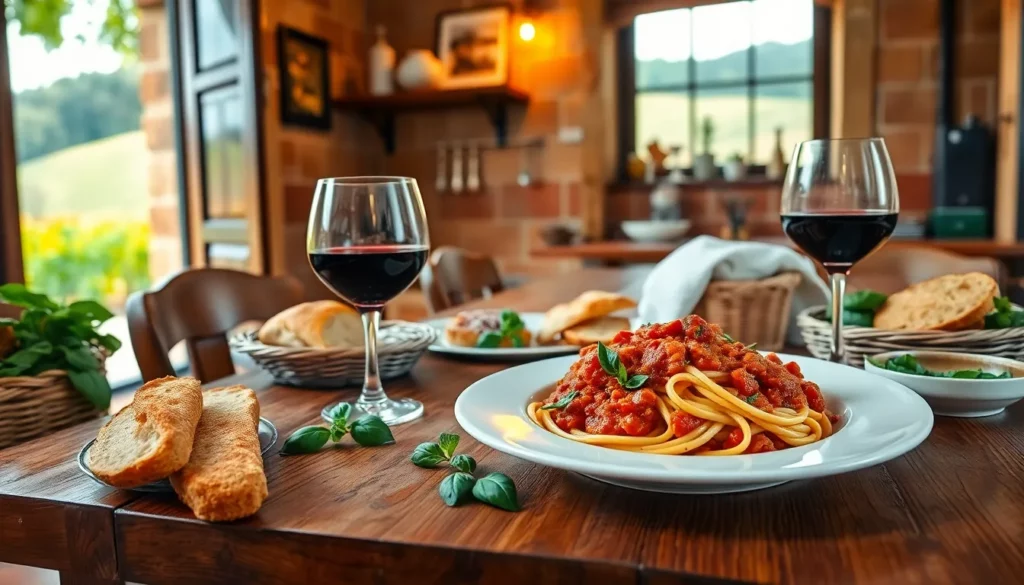
Cucina (Italian for “kitchen” or “cuisine”) refers to the culinary tradition of Italy, a rich tapestry of regional dishes, techniques, and philosophies that have evolved over centuries. At its core, Cucina emphasizes fresh, seasonal ingredients, minimal processing, and respect for the land. Unlike many global interpretations, authentic Italian cuisine is not a single monolithic entity but a mosaic of local practices—from the butter-and-rice dishes of the north to the olive oil–drenched seafood of the south. Key ingredients include extra-virgin olive oil, tomatoes, garlic, basil, durum wheat pasta, Parmigiano-Reggiano, and cured meats like prosciutto. The guiding principle is cucina povera (poor kitchen), a resourceful approach that transforms humble ingredients into extraordinary meals.
Origin & History
The roots of Cucina stretch back to ancient Rome, where banquets featured elaborate dishes influenced by Greek and Etruscan cultures. However, the modern Italian culinary identity began to take shape after the unification of Italy in 1861. The first influential cookbook, La Scienza in Cucina e l’Arte di Mangiar Bene (1891) by Pellegrino Artusi, codified many regional recipes and promoted a national cuisine. The 20th century saw the rise of cucina povera as a celebrated philosophy, especially during economic hardships when peasants created iconic dishes like pasta e fagioli and ribollita. Myths abound—for instance, that Marco Polo brought pasta from China, but historical evidence shows pasta existed in Italy long before his travels. The tomato, now synonymous with Italian cooking, was introduced from the Americas in the 16th century and only widely adopted in the 18th century. Today, Cucina is recognized by UNESCO as an Intangible Cultural Heritage of Humanity (the Mediterranean diet, which includes Italian cuisine).
What’s In It
Authentic Cucina relies on a short list of high-quality ingredients, each playing a distinct role. Core components include:

- Grains: Durum wheat for pasta, Arborio or Carnaroli rice for risotto, and polenta from cornmeal.
- Vegetables: Tomatoes (San Marzano), eggplants, zucchini, artichokes, and leafy greens like escarole.
- Cheeses: Parmigiano-Reggiano, mozzarella di bufala, pecorino romano, gorgonzola, and ricotta.
- Meats & Seafood: Prosciutto crudo, salami, pancetta, guanciale, anchovies, and shellfish.
- Fats: Extra-virgin olive oil (for dressing and light cooking) and butter (in northern regions).
- Herbs & Spices: Basil, oregano, rosemary, sage, and garlic—used sparingly to enhance rather than mask.
Preparation techniques vary: pasta is often made fresh (pasta fresca) with eggs and flour, while dried pasta (pasta secca) is extruded from semolina. Sauces are typically simmered slowly, and dishes are finished with a drizzle of raw olive oil. Unlike American-Italian versions, authentic Cucina rarely uses heavy cream or excessive cheese; instead, it relies on emulsified pasta water and fat to create silky textures.
Regional Variations
Italy’s 20 regions each boast distinct culinary traditions. The table below highlights key differences:
| Region | Staple Ingredients | Signature Dish | Key Characteristic |
|---|---|---|---|
| Lombardy (North) | Butter, rice, beef, saffron | Risotto alla Milanese | Rich, creamy, often with bone marrow |
| Emilia-Romagna (North-Central) | Parmigiano-Reggiano, prosciutto, balsamic vinegar | Tagliatelle al Ragù (Bolognese) | Egg pasta, slow-cooked meat sauces |
| Lazio (Central) | Pecorino romano, guanciale, artichokes | Carbonara | No cream; eggs, cheese, and cured pork |
| Campania (South) | San Marzano tomatoes, mozzarella, olive oil | Pizza Margherita | Simple, fresh, wood-fired |
| Sicily (Island) | Eggplant, capers, anchovies, citrus | Pasta alla Norma | Sweet-sour influences, abundant seafood |
In the north, butter and rice dominate; in the center, olive oil and sheep’s milk cheeses; in the south, tomatoes and seafood. Even within a region, towns may have their own pasta shapes and sauces.
How It’s Traditionally Eaten
Italian meals follow a structured sequence: antipasto (appetizer), primo (first course, usually pasta, risotto, or soup), secondo (main course of meat or fish), contorno (side dish of vegetables), and dolce (dessert). Cucina is not about heavy portions but about balance and seasonality. Wine is typically served with the meal, and bread (without butter) is used to fare la scarpetta (clean the plate). Everyday meals are simple—a pasta dish with a vegetable side—while holiday feasts feature multiple courses and regional specialties. Breakfast (colazione) is light: coffee and a pastry. Lunch is the main meal in many regions, though modern schedules have shifted dinner to the main event.
Common Mistakes / What It’s Not
Many misconceptions arise from American-Italian adaptations. Authentic Cucina is not heavy on cream, garlic, or cheese. For example, carbonara contains no cream; the creaminess comes from eggs and pecorino. Spaghetti and meatballs is an American invention; in Italy, meatballs (polpette) are served as a secondo, not with pasta. Fettuccine Alfredo is virtually unknown in Italy—the original dish is simply pasta with butter and Parmigiano. Additionally, Italian cuisine does not use pre-shredded cheese, jarred sauces, or dried herbs in abundance. The key is simplicity: let the ingredients speak. Avoid overcomplicating dishes with unnecessary additions.
Where to Try It / What to Order
To experience authentic Cucina, travel to Italy’s regions. In Emilia-Romagna, order tagliatelle al ragù at a trattoria in Bologna. In Naples, seek out a pizza Margherita from a wood-fired pizzeria. In Rome, try cacio e pepe at a traditional osteria. For a taste of cucina povera, visit a casa di campagna in Tuscany for ribollita or pappa al pomodoro. Festivals like the Sagra del Tartufo (truffle fair) in Piedmont or the Festa della Pasta in Gragnano offer immersive experiences. When ordering, ask for piatti tipici (typical dishes) and avoid tourist traps that serve “Italian-American” fare. Pair with a local wine—Chianti in Tuscany, Barolo in Piedmont, or a crisp Vermentino in Liguria.
Related Dishes
FAQ
What is the difference between Cucina and Italian cuisine?
Cucina is simply the Italian word for 'kitchen' or 'cuisine,' so it is synonymous with Italian cuisine. However, in English contexts, 'Cucina' is often used to evoke the authentic, regional, and traditional aspects of Italian cooking.
Is Cucina the same as Mediterranean diet?
Italian cuisine is a key component of the Mediterranean diet, which also includes Greek, Spanish, and other coastal cuisines. The Mediterranean diet emphasizes olive oil, vegetables, legumes, and fish, which align with Cucina principles.
What are the most important ingredients in Cucina?
Extra-virgin olive oil, tomatoes, garlic, basil, Parmigiano-Reggiano, durum wheat pasta, and cured meats like prosciutto are foundational. However, ingredients vary by region.
Why is Italian cuisine so regional?
Italy was a collection of independent states until 1861, and each region developed its own culinary traditions based on local agriculture, climate, and cultural influences. This diversity persists today.
Can I make authentic Cucina at home?
Yes, by using high-quality, fresh ingredients and following traditional techniques. Avoid shortcuts like cream in carbonara or pre-grated cheese. Start with simple recipes like aglio e olio or caprese salad.

Leave a Reply