
Short Answer
What Is Filetto? Italian Beef Tenderloin Explained
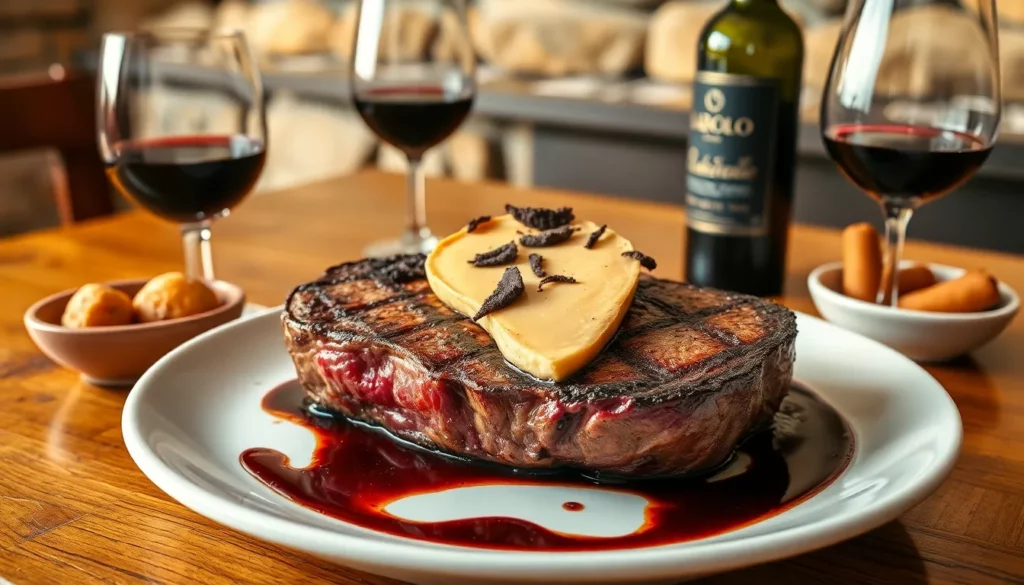
Filetto is the Italian term for the tenderloin cut of beef, prized for its exceptional tenderness and mild flavor. In Italian cuisine, Filetto typically refers to a premium steak cut from the psoas major muscle, located along the spine. It is most famously prepared as Filetto alla Rossini (with foie gras and truffles) or Filetto al Pepe Verde (with green peppercorn sauce). Originating from the culinary traditions of Northern Italy, particularly Piedmont and Emilia-Romagna, Filetto is a cornerstone of fine Italian dining, often served as a secondo (main course) during festive occasions. Key ingredients include high-quality beef tenderloin, butter, wine, and regional aromatics like truffles or rosemary.
Origin & History
The history of Filetto in Italian cuisine is intertwined with the evolution of beef consumption in the Italian peninsula. While cattle were raised in the Po Valley and Tuscany since Roman times, the specific cut known as filetto gained prominence during the Renaissance, when wealthy noble families in Florence and Bologna began to prize the tenderest parts of the animal. The dish Filetto alla Rossini was created in the 19th century by the French composer Gioachino Rossini, who was also a passionate gourmand. He collaborated with the chef of the Café Anglais in Paris, but the dish quickly became adopted in Italy, especially in Emilia-Romagna. Another historical variant, Filetto al Barolo, hails from Piedmont, where the region’s famous wine is used to create a rich sauce. Myths often claim that filetto was a peasant dish, but in reality, it was always a luxury reserved for the aristocracy due to the small yield per animal (only about 2% of the carcass).
What’s In It
Core ingredients for a classic Filetto preparation include:

- Beef tenderloin (filetto di manzo) – the star, typically cut into thick steaks (medallions) or left as a whole roast.
- Butter – used for searing and enriching sauces.
- Wine – often Barolo, Chianti, or Marsala, depending on the region.
- Aromatics – garlic, rosemary, sage, or thyme.
- Sauce components – for Filetto alla Rossini: foie gras, black truffles, and Madeira wine. For Filetto al Pepe Verde: green peppercorns, cream, and brandy.
Preparation nuances: The filetto is usually tied with kitchen twine to maintain its shape, then seared in a hot pan with butter and herbs. It is cooked to rare or medium-rare to preserve tenderness. Unlike American-style steaks, Italian filetto is often served with a sauce rather than dry. It differs from similar dishes like bistecca alla fiorentina (which uses T-bone steak) or tagliata (sliced rare steak, often from sirloin). Filetto is specifically the tenderloin, not a bone-in cut.
Regional Variations
Filetto preparations vary significantly across Italy, reflecting local wine and ingredient traditions. Below is a comparison of three major regional styles:
| Region | Classic Dish | Key Ingredients | Characteristics |
|---|---|---|---|
| Piedmont | Filetto al Barolo | Barolo wine, butter, rosemary, sometimes porcini mushrooms | Rich, full-bodied sauce; often served with truffle shavings; the wine is reduced to a syrupy consistency. |
| Emilia-Romagna | Filetto alla Rossini | Foie gras, black truffle, Madeira wine, butter | Decadent and luxurious; the foie gras melts into the sauce; truffle adds earthy aroma; typically served with a side of mashed potatoes or polenta. |
| Tuscany | Filetto al Chianti | Chianti wine, garlic, rosemary, olive oil | Lighter sauce, more rustic; often grilled over charcoal; served with cannellini beans or grilled vegetables. |
Other notable variations include Filetto al Pepe Verde (popular in Lombardy and Veneto) and Filetto al Marsala (Sicily, using sweet Marsala wine).
How It’s Traditionally Eaten
In Italian dining, Filetto is served as a secondo piatto (main course), following the primo (pasta or risotto) and before the contorno (side dish) and dolce. It is typically accompanied by a contorno such as roasted potatoes, sautéed spinach, or a simple salad. Filetto is considered a celebratory dish, often reserved for Sunday lunches, holidays, or special dinners. It is not an everyday meal due to the cost and preparation time. Wine pairing is crucial: a full-bodied red like Barolo, Brunello di Montalcino, or Amarone complements the richness. In restaurants, filetto is often ordered medium-rare (al sangue) to preserve its texture.
Common Mistakes / What It’s Not
Many American-Italian misconceptions surround Filetto. It is not the same as a New York strip or ribeye; it is the tenderloin, which is leaner and more tender. It is not typically served with heavy cream sauces in Italy (except for Pepe Verde, which uses cream sparingly). Another mistake is overcooking: Italians prefer filetto rare or medium-rare, never well-done. Also, Filetto is not a pasta dish; it is a meat course. Avoid ordering it with ketchup or steak sauce; instead, trust the chef’s sauce. Finally, Filetto alla Rossini is not a modern invention; it dates to the 19th century and is a classic, not a fusion dish.
Where to Try It / What to Order
For an authentic experience, visit these regions and restaurants:
- Piedmont – Trattoria della Posta in Monforte d’Alba for Filetto al Barolo with truffles.
- Emilia-Romagna – Ristorante Diana in Bologna for Filetto alla Rossini.
- Tuscany – Osteria del Cinghiale in Florence for Filetto al Chianti.
- Lombardy – Antica Osteria del Ponte in Cassinetta di Lugagnano for Filetto al Pepe Verde.
When ordering, specify your preferred doneness: al sangue (rare), media cottura (medium), or ben cotto (well-done – though rarely recommended). Ask for the house wine pairing. Many restaurants offer a menu degustazione that includes filetto as a highlight.
Related Dishes
FAQ
What is Filetto in Italian cuisine?
Filetto is the Italian term for beef tenderloin, a premium cut of meat known for its tenderness. It is often prepared as a steak with various regional sauces, such as Filetto alla Rossini (with foie gras and truffles) or Filetto al Barolo (with Barolo wine sauce).
How is Filetto different from Bistecca alla Fiorentina?
Filetto is a boneless cut from the tenderloin, while Bistecca alla Fiorentina is a thick T-bone steak (including the sirloin and tenderloin) from Chianina cattle, grilled over charcoal and served rare. Filetto is leaner and more tender, while Fiorentina has more flavor from the bone and fat.
What is the best wine to pair with Filetto?
A full-bodied red wine is ideal. For Filetto al Barolo, the same wine is perfect. Other excellent pairings include Brunello di Montalcino, Amarone della Valpolicella, or a Super Tuscan. The sauce should guide the choice: truffle-based dishes pair well with Nebbiolo, while peppercorn sauces go with Sangiovese.
Can Filetto be cooked well-done?
It is not recommended, as the tenderloin is very lean and becomes dry and tough when overcooked. Italian tradition prefers rare to medium-rare. If you must have it well-done, ask for 'ben cotto' but expect a less enjoyable texture.
Is Filetto alla Rossini a modern dish?
No, it dates back to the 19th century, created by the composer Gioachino Rossini in collaboration with a French chef. It is a classic of Italian-French culinary exchange.



Leave a Reply