
Short Answer
What Is Forno? Italian Baked Pasta Explained
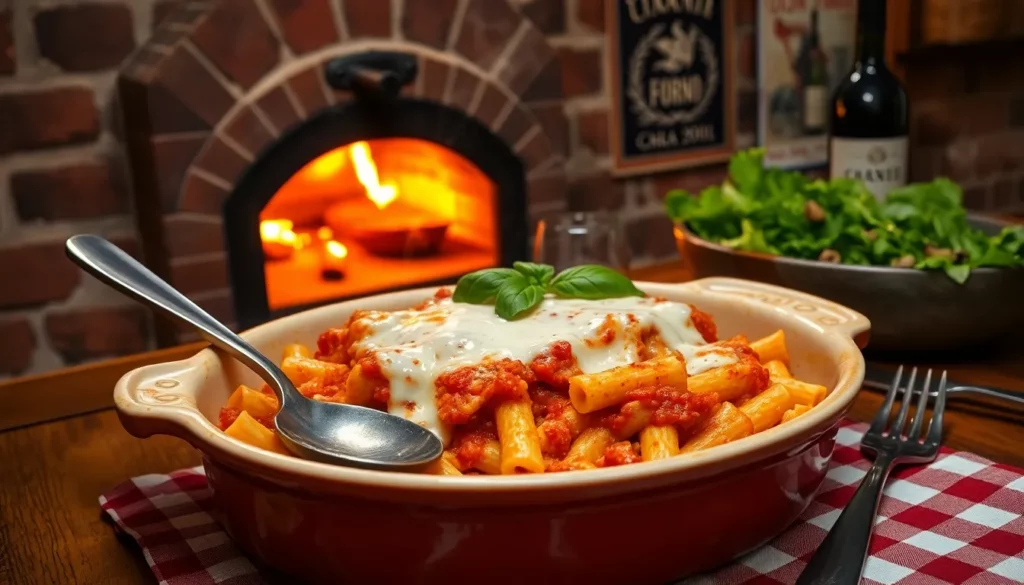
Forno, short for pasta al forno, is a baked pasta casserole that epitomizes Italian comfort food. It consists of short pasta (such as ziti, penne, or rigatoni) combined with a hearty tomato-based meat sauce, creamy béchamel, and a generous topping of mozzarella and Parmigiano-Reggiano, then baked until golden and bubbling. Originating in the Campania region, particularly around Naples, Forno is a versatile dish that varies by household but always delivers a satisfying, oven-baked richness. Key ingredients include durum wheat pasta, San Marzano tomatoes, ground beef or pork, béchamel sauce, and a blend of cheeses.
Origin & History
The roots of Forno lie in the cucina povera (poor kitchen) tradition of southern Italy, where resourceful cooks transformed simple ingredients into hearty meals. The practice of baking pasta dates back to the 16th century, when tomatoes were introduced to Europe from the Americas. However, the specific dish known as pasta al forno emerged in the 18th and 19th centuries in Naples, where the abundance of pasta and tomatoes met the need for a portable, reheatable meal for working families. Unlike the myth that it was invented by a single chef, Forno evolved organically in home kitchens. Anecdotes tell of Neapolitan housewives preparing large trays on Saturday to be enjoyed on Sunday after church, a tradition that persists today.
What’s In It
Core ingredients of Forno include:

- Pasta: Short, tubular shapes like ziti, penne, or rigatoni that hold sauce well.
- Meat Sauce (Ragù): A slow-cooked mixture of ground beef or pork, onions, garlic, San Marzano tomatoes, red wine, and herbs (basil, oregano).
- Béchamel Sauce: A white sauce made from butter, flour, and milk, seasoned with nutmeg.
- Cheeses: Mozzarella (preferably low-moisture for melting), Parmigiano-Reggiano, and sometimes ricotta or provola.
- Optional additions: Hard-boiled eggs, meatballs, or sautéed mushrooms.
Preparation nuances: The pasta is boiled until al dente, then layered with ragù, béchamel, and cheese in a baking dish. The top is sprinkled with breadcrumbs for extra crunch. Forno differs from lasagna by using short pasta instead of flat sheets, and from baked ziti (an Americanized version) by the inclusion of béchamel and a more complex ragù.
Regional Variations
Forno adapts to local tastes across Italy. Below is a comparison of three major regional styles:
| Region | Key Characteristics | Typical Ingredients |
|---|---|---|
| Campania (Naples) | Rich ragù, abundant mozzarella, often includes meatballs or hard-boiled eggs. | Ziti, San Marzano tomatoes, ground beef, provola, Parmigiano. |
| Sicily | Lighter, with eggplant and ricotta; sometimes includes anchovies or breadcrumbs. | Penne, tomato sauce, eggplant, ricotta salata, caciocavallo. |
| Lazio (Rome) | Uses béchamel prominently, often with ground pork and pecorino romano. | Rigatoni, guanciale or pancetta, béchamel, pecorino, mozzarella. |
Other regions add local cheeses or vegetables, but the core concept of baked pasta remains.
How It’s Traditionally Eaten
Forno is served as a primo piatto (first course) in a traditional Italian meal, though it is substantial enough to be a main dish. It is typically enjoyed on Sundays, holidays, and family gatherings. Pairings include a light red wine like Chianti or a crisp white like Falanghina. A simple green salad with lemon vinaigrette balances the richness. Forno is rarely served in restaurants as a daily special; it is more common in trattorias on weekends or as a home-cooked tradition.
Common Mistakes / What It’s Not
Many American-Italian interpretations confuse Forno with baked ziti, which often lacks béchamel and uses cottage cheese instead of ricotta or mozzarella. Forno is not a quick weeknight meal; the ragù requires slow simmering. It is also not a dry casserole—proper Forno should be moist but not soupy. Avoid overcooking the pasta before baking, as it will continue to cook in the oven. Finally, Forno is not a pizza or a bread; it is strictly a pasta dish.
Where to Try It / What to Order
For an authentic experience, visit Naples and seek out a trattoria that serves pasta al forno della domenica (Sunday baked pasta). In Rome, try rigatoni al forno at a traditional osteria. In Sicily, look for pasta al forno con melanzane (with eggplant). Ordering tip: ask if the dish is made with fresh mozzarella and a slow-cooked ragù. For a festival, the Sagra della Pasta al Forno in Gragnano (Campania) celebrates this dish every September.
Related Dishes
FAQ
What is the difference between Forno and baked ziti?
Forno (pasta al forno) traditionally includes béchamel sauce and a slow-cooked ragù, while baked ziti is an American-Italian adaptation that often uses ricotta or cottage cheese and a simpler tomato sauce. Forno also uses a wider variety of pasta shapes and cheeses.
Can Forno be made vegetarian?
Yes. Omit the meat and add vegetables like eggplant, zucchini, mushrooms, or spinach. Use a robust tomato sauce and extra béchamel. Some versions include ricotta for creaminess.
What pasta shape is best for Forno?
Short, tubular shapes like ziti, penne, rigatoni, or mezze maniche are ideal because they hold the sauce and cheese well. Avoid long pasta like spaghetti.
Is Forno served as a main course or side dish?
In Italy, Forno is typically a primo piatto (first course), but its richness often makes it a standalone main dish, especially for family meals.
How do you reheat Forno without drying it out?
Cover the dish with foil and reheat in a 160°C (320°F) oven for 15–20 minutes. Add a splash of milk or water to restore moisture. Avoid microwaving, which can make the pasta rubbery.

Leave a Reply