
Short Answer
What Is Gnocchi? Italian Pasta Explained
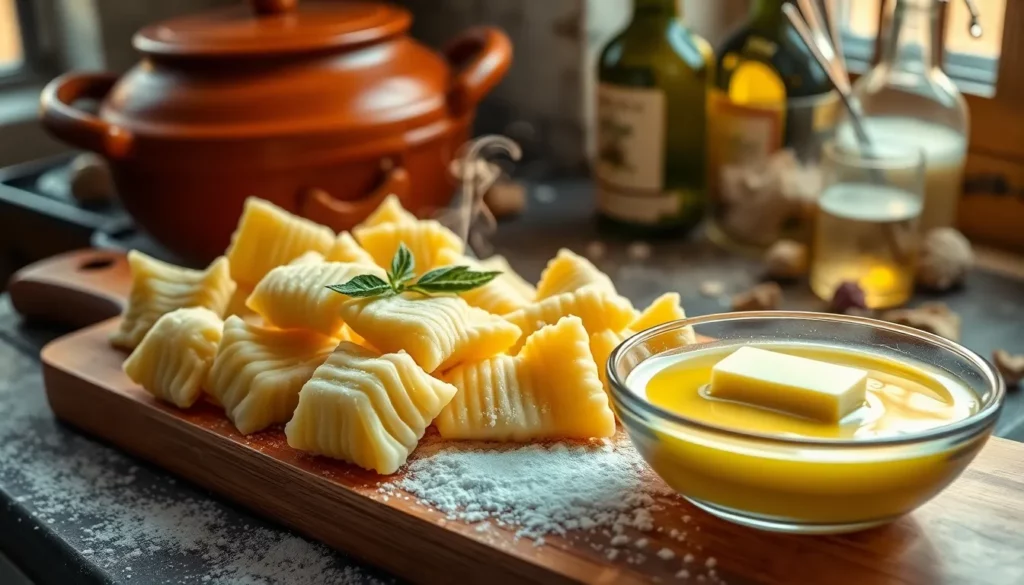
Gnocchi (pronounced NYOH-kee; singular: gnocco) are a type of Italian dumpling, often categorized as a pasta, though their texture and composition set them apart. Unlike extruded or sheet pasta, gnocchi are formed by hand into small, ridged pillows. The most common version is made from boiled potatoes, wheat flour, and eggs, but variations exist using ricotta, semolina, pumpkin, or even breadcrumbs. Gnocchi originated in Northern Italy, particularly in the regions of Lombardy, Veneto, and Piedmont, and have been documented since the Roman era. They are typically served as a primo (first course) with a sauce that complements their delicate, soft texture.
Origin & History
The word gnocco derives from the Italian nocca, meaning “knuckle,” referencing the shape of early dumplings. Historical records suggest that gnocchi-like preparations existed in ancient Rome, where a mixture of flour and water was cooked and eaten. However, the modern potato-based gnocchi emerged only after the introduction of the potato to Europe from the Americas in the 16th century. It took several centuries for the potato to become a staple in Italian cuisine, particularly in the poor, mountainous regions of the north where grains were scarce. By the 19th century, potato gnocchi had become a beloved comfort food, often served with butter and sage or a simple tomato sauce. A famous anecdote ties gnocchi to the city of Verona, where the annual Gnocchi Festival (Festa del Gnocco) celebrates the dish with a giant gnocco paraded through the streets. Despite myths, gnocchi are not a type of pasta in the strict sense, as they are not made from durum wheat semolina and water; they are dumplings with a distinct identity.
What’s In It
Classic potato gnocchi require just a few ingredients: starchy potatoes (such as Russets or Yukon Golds), all-purpose flour, eggs, and salt. The potatoes are boiled, peeled, and riced while still warm to achieve a light, fluffy texture. Flour is added gradually until a soft dough forms; overworking the dough leads to dense gnocchi. Eggs provide structure but are sometimes omitted for a lighter version. The dough is rolled into ropes, cut into bite-sized pieces, and often pressed against a ridged board (a gnocchi board) to create grooves that hold sauce. Key preparation nuances include using the right potato variety, not over-boiling, and cooking the gnocchi in salted boiling water until they float to the surface—a sign they are done. Gnocchi differ from pasta in that they are not dried and have a much softer, more delicate bite. They also differ from other dumplings like spätzle (German) or knödel (Austrian) in their specific Italian seasoning and serving traditions.

Regional Variations
Gnocchi vary significantly across Italy, reflecting local ingredients and traditions. Below is a comparison of three major regional styles:
| Region | Key Ingredients | Typical Sauce | Notes |
|---|---|---|---|
| Lombardy / Veneto | Potatoes, flour, eggs; sometimes spinach or nettles | Butter and sage (burro e salvia) or Gorgonzola cream | Classic potato gnocchi; often served as a primo on Thursdays (a tradition in Rome as well) |
| Campania (Naples) | Ricotta, flour, eggs; no potatoes | Tomato sauce with basil (sugo) or ragù | Known as gnocchi alla sorrentina – baked with tomato sauce, mozzarella, and Parmesan |
| Sicily | Semolina, ricotta, or pumpkin; sometimes flavored with saffron | Pesto alla trapanese (tomato, almonds, basil) or simple butter | Often smaller, called gnocchetti; can be fried or baked |
Other notable variations include gnocchi di semolino (semolina gnocchi, baked with butter and cheese, typical of Rome), gnocchi di zucca (pumpkin gnocchi from the north), and gnocchi di pane (bread gnocchi, a thrifty version from Tuscany). Each region’s gnocchi reflect its agricultural bounty and culinary history.
How It’s Traditionally Eaten
Gnocchi are almost always served as a primo piatto (first course) in a traditional Italian meal, followed by a secondo (meat or fish) and contorno (side dish). They are rarely eaten as a main course or side dish. The sauce is chosen to complement the dumplings’ soft texture: light butter and sage, a simple tomato sauce, or a creamy cheese sauce. In many Italian households, gnocchi are a Thursday tradition (especially in Rome and the north), with the saying “giovedì gnocchi” (Thursday gnocchi) reflecting a weekly ritual. They are also associated with holidays: in Verona, the Festa del Gnocco on the last Friday of January features a giant gnocco; in many regions, gnocchi are served on New Year’s Eve for good luck. When eating gnocchi, they should be tender but not mushy, and the ridges should hold the sauce. They are typically eaten with a fork, and it is acceptable to cut them if they are large.
Common Mistakes / What It’s Not
Many misconceptions surround gnocchi, especially in American-Italian contexts. First, gnocchi are not a type of pasta; they are dumplings. They should not be cooked al dente like pasta—they are done when they float to the surface, and overcooking makes them gummy. Second, gnocchi are not meant to be heavy or doughy; light, pillowy texture is the goal. Overworking the dough or using too much flour is a common mistake. Third, gnocchi are not typically served with heavy cream sauces in Italy; butter and sage or simple tomato sauces are more authentic. Fourth, the notion that gnocchi must be made with eggs is false—many traditional recipes omit eggs for a lighter result. Finally, gnocchi are not a weeknight quick meal; making them from scratch requires time and care. Store-bought gnocchi can be acceptable but often lack the delicate texture of homemade.
Where to Try It / What to Order
For an authentic gnocchi experience, visit Italy. In Rome, seek out gnocchi alla romana (semolina gnocchi baked with butter and cheese) at trattorias like Da Enzo al 29. In Naples, order gnocchi alla sorrentina at a family-run restaurant in Sorrento. In Verona, attend the Festa del Gnocco in January for a giant gnocco and local wine. For travelers, ordering tips: ask for gnocchi di patate (potato gnocchi) and specify a sauce—burro e salvia (butter and sage) is a classic choice. Avoid ordering gnocchi with heavy cream sauces, which are not traditional. In the United States, look for Italian restaurants that make gnocchi in-house, such as Felidia in New York or La Ciccia in San Francisco. When dining, note that gnocchi are often served as a primo, so plan to follow with a lighter second course.
Related Dishes
FAQ
What is the difference between gnocchi and pasta?
Gnocchi are dumplings made primarily from potatoes, flour, and sometimes eggs, while pasta is made from durum wheat semolina and water. Gnocchi have a soft, pillowy texture and are cooked until they float, whereas pasta is cooked al dente.
Are gnocchi gluten-free?
Traditional potato gnocchi contain wheat flour, so they are not gluten-free. However, gluten-free versions can be made using rice flour, cornstarch, or other gluten-free flours.
What is the best sauce for gnocchi?
Classic sauces include butter and sage (burro e salvia), simple tomato sauce (sugo), or Gorgonzola cream. The sauce should be light enough to complement the delicate dumplings without overwhelming them.
Why are gnocchi traditionally eaten on Thursdays?
In Rome and other parts of Italy, Thursday is known as 'giovedì gnocchi' due to a tradition that dates back to the 19th century. It was a way to use leftover ingredients before Friday's fish day.
Can gnocchi be made without eggs?
Yes, many traditional recipes omit eggs for a lighter, more delicate texture. The eggs act as a binder, but with the right potato variety and technique, eggless gnocchi can be successful.
Leave a Reply