

Short Answer
What It Is
UVA, the Italian word for grape, refers to the fruit of the Vitis vinifera vine, a cornerstone of Italian agriculture and gastronomy. Italy is one of the world’s largest producers of table grapes, with a tradition dating back to ancient Roman times when grapes were prized for fresh consumption, winemaking, and medicinal uses. The production of UVA is concentrated in southern regions, particularly Puglia, Sicily, and Calabria, where the Mediterranean climate—hot, dry summers and mild winters—creates ideal conditions for sugar development and flavor concentration.
Italian table grapes are protected under several DOP (Denominazione di Origine Protetta) and IGP (Indicazione Geografica Protetta) designations. The most prominent is Uva di Puglia DOP, which covers a wide range of varieties grown in the Apulian region. Other notable certifications include Uva da Tavola di Canicattì IGP (Sicily) and Uva di Mazzarrone IGP (Sicily). These labels guarantee that the grapes are produced, processed, and packaged within the designated geographical area, adhering to strict quality standards that preserve traditional cultivation methods.
Grapevines are typically trained on trellises (pergola or espalier systems) to maximize sun exposure and air circulation. Harvesting occurs from late summer to early autumn, depending on the variety and intended use. For table grapes, careful hand-picking ensures minimal damage to the delicate skin and bloom—the natural waxy coating that protects the fruit.

Types & Grades
Italian table grapes are classified by variety and commercial grade. The European Union grading system applies to all fresh table grapes sold within the EU, including Italian UVA.
| Grade | Description | Requirements |
|---|---|---|
| Extra Class | Superior quality, virtually flawless | Uniform size, color, and shape; no defects; intact bloom |
| Class I | Good quality, minor imperfections allowed | Slight shape or color variations; very small blemishes |
| Class II | Marketable quality, meets minimum standards | More noticeable defects but still fit for consumption |
Popular Italian table grape varieties include:
- Italia – large, oval, greenish-yellow berries with a sweet, musky flavor; the most exported Italian variety.
- Regina – small, round, white grapes with a delicate sweetness; often used in traditional desserts.
- Vittoria – a cross between Italia and Cardinal; large, red-purple berries with a crisp texture.
- Black Muscat – small, dark purple grapes with intense floral and spicy notes; prized for both table and wine.
- Pizzutello – a rare, elongated grape from Lazio with a distinctive pointed shape and sweet-tart balance.
How It’s Used in Cooking
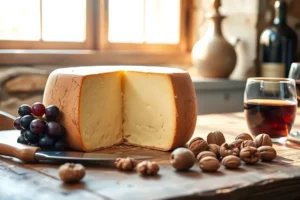
Italian cuisine employs UVA in both sweet and savory preparations, showcasing its versatility. Fresh grapes are often served as a table fruit or paired with cheese—a classic combination is grapes with Parmigiano-Reggiano or Gorgonzola, where the sweetness contrasts with the saltiness and umami of aged cheese.
“Uva e formaggio, un matrimonio perfetto.” – Traditional Italian saying
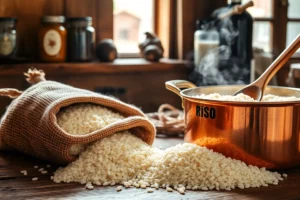
In savory dishes, grapes appear in agrodolce (sweet-and-sour) preparations, such as pollo all’uva (chicken with grapes) or maiale all’uva (pork with grapes), where the fruit is sautéed with onions, vinegar, and herbs to create a glaze. Grapes also feature in risotto all’uva, a creamy rice dish from Veneto that incorporates red or white grapes and sometimes a splash of wine.
Desserts highlight grapes in sorbetto all’uva (grape sorbet), crostate di uva (grape tarts), and uva cotta (cooked grape must) used as a sweetener or syrup. In Sicily, mostarda di uva is a thick, spiced grape preserve served with boiled meats or cheese. Grape juice and mosto (unfermented grape must) are also used in baking and confectionery.
How to Choose/Identify Authentic UVA
When selecting authentic Italian UVA, look for the following cues:
- DOP/IGP labels – Check for the official EU logo and the specific designation (e.g., “Uva di Puglia DOP”). This guarantees origin and quality.
- Bloom – A natural white powdery coating on the skin indicates freshness and minimal handling. Avoid grapes that are overly shiny or sticky.
- Firmness – Grapes should be plump and firmly attached to the stem. Wrinkled or soft berries signal age.
- Color – Uniform color for the variety; green grapes should be slightly translucent, red/purple grapes deep and even.
- Stem – Green, flexible stems indicate recent harvest. Brown, brittle stems suggest old stock.
- Seasonality – Italian table grapes are at their peak from August to November. Out-of-season grapes are often imported and may lack flavor.
For commercial buyers, request documentation of origin and certification. Reputable suppliers will provide traceability information.
Substitutes
In recipes where fresh UVA is called for, several Italian alternatives can be used depending on the dish:
- Fichi (figs) – Fresh figs offer a similar sweetness and texture, especially in cheese pairings and savory agrodolce dishes.
- Pere (pears) – Sliced pears work well in salads and with cheese, though they are less juicy and have a milder flavor.
- Uvetta (raisins) – Dried grapes (raisins) are a common substitute in baked goods, stuffings, and sweet-savory sauces. Rehydrate them in warm water or wine before use.
- Mosto cotto – Cooked grape must can replace fresh grapes in syrups and glazes, providing concentrated sweetness and acidity.
When substituting, consider the moisture content and sweetness level. For fresh eating, no substitute truly replicates the crisp, juicy bite of authentic Italian UVA.
Conclusion
UVA is more than a fruit; it is a symbol of Italian agricultural heritage and culinary artistry. From the sun-baked vineyards of Puglia to the tables of Rome, Italian grapes offer unparalleled flavor and versatility. Whether enjoyed fresh, cooked, or preserved, understanding the varieties, grades, and authenticity markers ensures you experience the true essence of Italian UVA. Embrace the tradition, and let each cluster tell the story of its land.
FAQ
What is the difference between Uva da Tavola and Uva da Vino?
Uva da Tavola (table grapes) are grown for fresh consumption, with larger berries, thicker skins, and lower acidity. Uva da Vino (wine grapes) are smaller, sweeter, and have higher sugar content for fermentation. Table grapes are typically seedless or have soft seeds, while wine grapes often have hard seeds.
How should I store fresh Italian grapes to keep them fresh longer?
Store unwashed grapes in a perforated plastic bag in the refrigerator. They will keep for 5–7 days. Wash only before eating to prevent mold. For longer storage, you can freeze grapes (remove stems first) and use them in smoothies or as frozen treats.
What are the most common Italian table grape varieties and their characteristics?
The most common varieties include Italia (large, green, sweet, musky), Regina (small, white, delicate), Vittoria (red-purple, crisp), Black Muscat (dark, floral, spicy), and Pizzutello (elongated, sweet-tart). Each has a unique flavor profile suited for different culinary uses.
Leave a Reply