
Short Answer
What It Is
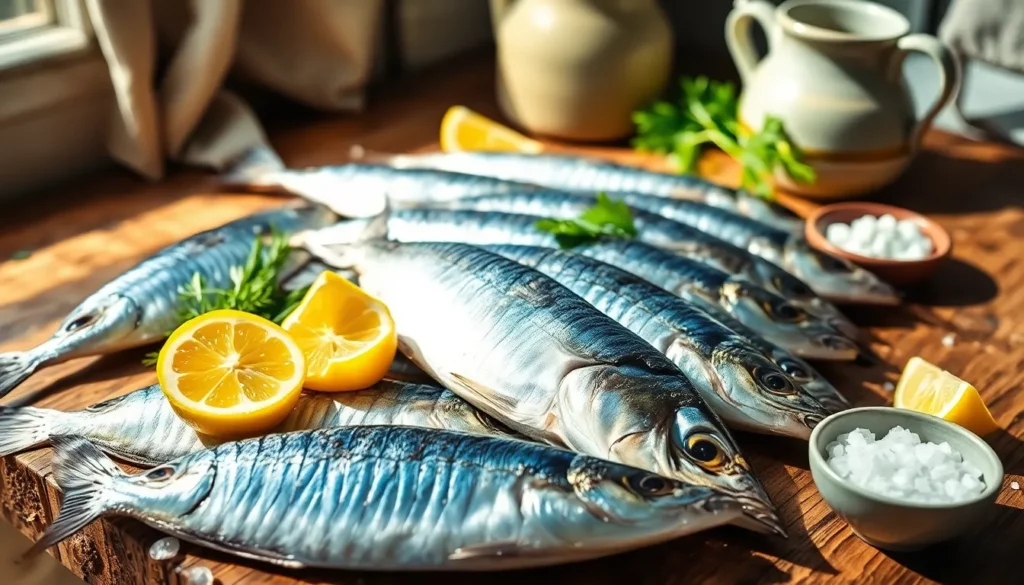
Sarde (the Italian term for sardines) are small, oily fish belonging to the family Clupeidae, primarily Sardina pilchardus. These fish have been a cornerstone of Mediterranean cuisine for millennia, prized for their rich flavor, high omega‑3 content, and versatility. In Italy, Sarde are caught along the coasts of the Ligurian Sea, Tyrrhenian Sea, Adriatic Sea, and around Sicily and Sardinia. The most renowned Italian sardine products include Sardine del Mar Ligure (PGI – Protected Geographical Indication) and the Slow Food Presidium Sardina di Nissa from Sicily. The PGI certification for Sardine del Mar Ligure guarantees that the fish are caught using traditional lampara nets at night, immediately chilled, and processed within hours to preserve freshness. The Slow Food Presidium for Sardina di Nissa protects a local variety fished off the coast of Niscemi, known for its delicate texture and intense flavor.
Historically, Sarde were a staple for coastal communities, often preserved by salting or curing to ensure year‑round availability. Today, they are celebrated both fresh and preserved, with artisanal canning methods that maintain the fish’s integrity. The Italian Ministry of Agricultural Policies recognizes several traditional specialties, and the European Union’s quality schemes help consumers identify authentic products.
Types & Grades
Sarde are classified by size, age, and processing method. The table below outlines the main categories encountered in Italian markets and kitchens.
| Type | Description | Typical Use |
|---|---|---|
| Sarde fresche | Fresh, whole sardines, typically 15–20 cm long, with bright silver skin and firm flesh. | Grilled, fried, or marinated (e.g., sarde in saor). |
| Sarde sotto sale | Salt‑cured sardines, gutted and layered with sea salt, aged for 2–6 months. | Rinsed and used in pasta sauces, salads, or as a condiment. |
| Sarde in scatola | Canned sardines, typically packed in olive oil, tomato sauce, or natural brine. | Antipasti, sandwiches, or quick pasta dishes. |
| Sardina di Nissa | Smaller, wild sardines from the Sicilian coast, caught with traditional mattanza nets. | Grilled whole or preserved in oil; prized for its sweet, delicate flavor. |
| Sardine del Mar Ligure PGI | Sardines from the Ligurian Sea, caught at night using lampara lights, processed within 12 hours. | Fresh or lightly preserved; ideal for fritto misto or acciughe ripiene. |
Grades are also determined by fat content: the best Sarde have a fat content of 10–15%, which contributes to their rich taste and smooth texture. Younger fish (sardine novelle) are smaller and milder, while larger, older specimens are more intense.
How It’s Used in Cooking
Sarde are incredibly versatile in Italian cuisine, appearing in dishes from north to south. Traditional preparations highlight the fish’s natural flavor without overwhelming it.
Classic Dishes
- Sarde in saor – A Venetian specialty where fried sardines are marinated in a sweet‑and‑sour mixture of onions, vinegar, pine nuts, and raisins. This dish was originally a preservation method for sailors.
- Pasta con le sarde – A Sicilian icon combining sardines, wild fennel, pine nuts, raisins, and saffron, often served with bucatini. The dish reflects Arab influences on the island’s cuisine.
- Sarde alla griglia – Simply grilled over hot coals with olive oil, lemon, and herbs like oregano or parsley. A staple of coastal summer meals.
- Fritto misto di sarde – Lightly floured and deep‑fried sardines, served as an antipasto or main course with lemon wedges.
- Sarde ripiene – Stuffed sardines, often filled with breadcrumbs, garlic, parsley, and capers, then baked or fried.
“La sarda è il re del mare piccolo” – “The sardine is the king of the small sea,” a traditional Ligurian saying that underscores the fish’s importance in local gastronomy.
In professional kitchens, Sarde are also used to make colatura di alici (a fermented fish sauce) and as a base for broths and stocks. The preserved versions are essential for pantry staples like spaghetti con le sarde and pizza con le sarde.
How to Choose/Identify Authentic SARDE
When purchasing fresh Sarde, look for these authenticity cues:
- Eyes: Clear, bulging, and bright – not sunken or cloudy.
- Skin: Shiny, metallic silver with a blue‑green sheen; scales should be intact and firmly attached.
- Smell: A clean, sea‑breeze scent, not overly fishy or ammoniated.
- Flesh: Firm to the touch; when pressed, it should spring back. Avoid any that are soft or have gaping bellies.
- Gills: Bright red or pink, not brown or slimy.
For preserved Sarde, check labels for PGI or Slow Food certifications. Authentic Sardine del Mar Ligure PGI will bear the EU PGI logo and a traceability code. Canned sardines should list the species (Sardina pilchardus), the packing medium (preferably extra‑virgin olive oil), and the origin. Avoid products with vague terms like “sardines” without species or origin. Artisanal producers often use hand‑packing and natural preservatives.
For salt‑cured Sarde, look for whole, unbroken fish with a uniform salt layer. The flesh should be firm and translucent after rinsing. Reputable brands include Agostino Recca (Sicily) and La Nicchia (Liguria).
Substitutes
If Sarde are unavailable, several Italian substitutes can be used, each with specific applications:
- Alici (anchovies) – The closest relative. Fresh anchovies can replace Sarde in grilling or frying; salt‑cured anchovies work in sauces and pasta dishes, though they are saltier and more intense. Use sparingly.
- Muggine (mullet) – Especially the smaller red mullet (triglia), which has a similar firm texture and sweet flavor. Ideal for grilling or baking.
- Latterini (sand smelt) – Small, silvery fish often used in fritto misto. They are milder but can substitute in fried preparations.
- Acciughe sotto sale (salt‑cured anchovies) – For recipes requiring preserved fish, these are the most authentic alternative. Rinse and fillet before use.
In dishes like pasta con le sarde, some cooks use a combination of fresh anchovies and a pinch of saffron to mimic the unique flavor profile. However, no substitute perfectly replicates the delicate balance of Sarde.
Conclusion
Sarde are more than a simple fish; they are a living link to Italy’s maritime heritage and regional diversity. Whether enjoyed fresh off the grill, marinated in a Venetian saor, or preserved in oil for a winter pantry, these small fish deliver big flavor. By understanding the types, certifications, and proper selection techniques, you can bring authentic Italian taste to your table. Embrace the tradition of Sarde and discover why they have been cherished for centuries.
FAQ
What is the difference between Sarde and Acciughe?
Sarde (sardines) and acciughe (anchovies) are different species. Sardines (Sardina pilchardus) are larger, oilier, and have a milder flavor, while anchovies (Engraulis encrasicolus) are smaller, saltier, and more intensely flavored. In Italian cuisine, they are used in distinct ways, though some recipes can substitute one for the other with adjustments.
How should I store fresh Sarde?
Fresh Sarde should be kept on ice in the refrigerator and used within 24 hours of purchase. For longer storage, clean and gut them, then freeze in airtight bags for up to 3 months. Alternatively, preserve them by salting or canning.
Can I use canned Sarde in recipes that call for fresh?
Yes, but with adjustments. Canned sardines are already cooked and often packed in oil, so they work well in pasta sauces, salads, and spreads. For grilling or frying, fresh Sarde are preferred. If using canned, drain and pat dry before adding to dishes to avoid excess oil.


Leave a Reply