

Short Answer
What It Is
Anatra, the Italian term for duck, refers to both the domesticated waterfowl and its meat, which has been a staple of Italian gastronomy for centuries. Unlike the more common chicken, anatra offers a deeper, more complex flavor profile, with a higher fat content that lends itself to slow cooking and rich sauces. The production of anatra in Italy is deeply rooted in regional traditions, with specific breeds raised in distinct areas such as Emilia-Romagna, Veneto, and Tuscany. While there is no single DOP (Denominazione di Origine Protetta) for anatra as a whole, certain products derived from it, such as Prosciutto d’anatra (duck prosciutto) from some regions, may carry PGI (Indicazione Geografica Protetta) status. The Slow Food Presidium has recognized the Anatra Romagnola, a traditional breed from the Romagna region, for its historical significance and superior taste. These ducks are typically raised in semi-wild conditions, feeding on a natural diet that enhances the meat’s flavor and texture.
Types & Grades
Anatra is categorized by breed, age, and rearing method, each influencing the culinary outcome. Below is a table summarizing the main types and their characteristics.
| Type | Breed/Origin | Age | Flavor Profile | Best Use |
|---|---|---|---|---|
| Anatra Giovane (Young Duck) | Common commercial breeds (e.g., Peking cross) | 6–8 weeks | Mild, tender, less fatty | Roasting, grilling, pan-searing |
| Anatra Matura (Mature Duck) | Traditional breeds (e.g., Anatra Romagnola, Muscovy) | 3–6 months | Rich, gamey, well-developed fat | Confit, braising, ragù |
| Anatra di Bresse (French AOP) | Bresse duck (imported, but influential in Italian cuisine) | 10–12 weeks | Delicate, buttery, fine-grained | Roasting, fine dining |
| Anatra Muta (Muscovy Duck) | Cairina moschata | 10–14 weeks | Lean, intense, slightly gamey | Stews, soups, cured products |
| Anatra da Prosciutto (Duck for Curing) | Usually Muscovy or large breeds | 6–8 months | Concentrated, savory, salty | Prosciutto d’anatra, salumi |
How It’s Used in Cooking
Anatra is a versatile ingredient in Italian cuisine, appearing in both rustic and refined dishes. The fat is highly valued for roasting potatoes or flavoring legumes. Traditional preparations include:
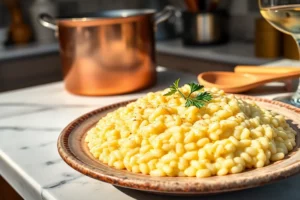
- Risotto all’Anatra – A classic from Veneto, where duck meat is slowly cooked and then folded into creamy risotto, often with red wine and Parmigiano-Reggiano.
- Pappardelle all’Anatra – Wide egg noodles served with a rich ragù of duck, tomatoes, and aromatic herbs, typical of Tuscany and Emilia-Romagna.
- Anatra alla Peverada – A specialty of Ferrara, where duck is roasted and served with a sauce of chicken livers, capers, anchovies, and lemon.
- Confit d’Anatra – Though originally French, confit has been adopted in northern Italy, especially in Piedmont, where duck legs are slowly cooked in their own fat until tender.
- Prosciutto d’Anatra – Cured duck breast, air-dried and sliced thin, often served as an antipasto with figs or melon.
“L’anatra è un animale nobile: la sua carne grassa e saporita richiede pazienza e rispetto in cucina.” – Traditional Italian saying
How to Choose/Identify Authentic ANATRA
When selecting anatra, look for these authenticity cues:
- Breed Labeling: Seek out named breeds like Anatra Romagnola or Anatra Muta. Supermarket ducks are often generic hybrids.
- Rearing Method: Free-range or pasture-raised ducks have firmer, darker meat and a thicker fat layer. Labels like “allevato all’aperto” (raised outdoors) are positive signs.
- Fat Color and Texture: High-quality duck fat is creamy white or pale yellow, not grey. The skin should be intact and slightly moist.
- Age Indication: For roasting, a younger duck (under 3 months) is best; for confit or ragù, an older duck (3–6 months) provides deeper flavor.
- Certifications: While no DOP exists for whole duck, look for Presidio Slow Food labels on traditional breeds, or PGI on cured duck products from specific regions.
- Butcher Relationship: A trusted Italian butcher can often provide information on the farm and breed. Avoid vacuum-packed ducks with excessive liquid or off-odors.
Substitutes
If anatra is unavailable, these Italian substitutes can be used, though each alters the dish’s character:
- Faraona (Guinea Fowl): Leaner than duck but with a similar gamey flavor. Ideal for roasting or ragù when a lighter meat is desired.
- Pollo Ruspante (Free-Range Chicken): For dishes where duck’s richness is not essential, such as in broths or simple roasts. Use thighs and legs for more flavor.
- Oca (Goose): Closer to duck in fat content and taste, but stronger. Excellent for confit or slow braising, especially in northern Italian recipes.
- Coniglio (Rabbit): A common substitute in Tuscan and Umbrian cooking, rabbit provides a delicate, lean meat that works well in stews and pasta sauces, though it lacks duck’s fat.
When substituting, adjust cooking times and fat additions accordingly. For example, when using faraona in a risotto, add extra butter or olive oil to compensate for the lower fat content.
Conclusion
Anatra is more than just a poultry option; it is a gateway to Italy’s rich culinary heritage, from the rice paddies of Veneto to the olive groves of Tuscany. Understanding the different types, grades, and traditional uses allows cooks to select the perfect duck for each dish. Whether you are preparing a festive roast, a slow-cooked ragù, or a delicate cured prosciutto, choosing authentic, well-raised anatra ensures a memorable meal that honors centuries of Italian tradition.
FAQ
What is the best cut of anatra for roasting?
For roasting, a whole young duck (around 2 kg) is ideal. The breast and legs cook evenly, and the skin crisps beautifully. Alternatively, duck breasts (magret) can be roasted or pan-seared individually.
Is there a DOP for Italian duck?
No, there is no DOP for whole duck in Italy. However, some cured duck products like Prosciutto d'Anatra may carry PGI status from specific regions. The Anatra Romagnola is recognized by the Slow Food Presidium.
Can I substitute chicken for anatra in a risotto?
Yes, but the result will be milder and less rich. To compensate, add extra butter or a splash of duck fat if available. For a more authentic flavor, use guinea fowl (faraona) instead.




Leave a Reply